
Most of us know we should eat fewer processed foods. Yet, with busy schedules, processed items still make up a large portion of modern diets. The problem isn't always that we choose processed foods—it's how we choose them. Small, repeated mistakes at the grocery store can turn a convenient meal into a hidden source of excess sugar, unhealthy fats, and sodium.
By understanding these common missteps, you can shop smarter without giving up convenience entirely. Here are five dietary mistakes people make when choosing processed foods—and how to avoid them.
1. Trusting front-of-package claims too quickly
Food packaging uses buzzwords like "natural," "organic," "low-fat," or "made with whole grains" to grab attention. The problem is that these claims are often marketing tools, not nutrition guarantees. A granola bar labeled "made with real fruit" might still contain added sugars and refined flour as its main ingredients. The mistake is assuming these words mean the product is healthy overall.
What to do instead: Flip the package over. The ingredients list tells the real story. Look for short lists with recognizable ingredients. Added sugar can appear under many names—cane syrup, brown rice syrup, agave nectar. The first two ingredients usually make up the bulk of the product. If sugar appears in the top three, it's a sweet treat, not a daily staple.
2. Overlooking the sodium content in shelf-stable meals
Sodium is a silent companion in processed foods. Canned soups, frozen dinners, pasta sauces, and even breads can pack surprising amounts of salt. The mistake is focusing only on calories and fat—while ignoring the sodium count. High sodium intake is linked to increased blood pressure and water retention.
Quick tip: Aim for items with no more than 500–600 mg of sodium per serving for main dishes. For condiments or sides, lower is better.
How to avoid it: Compare sodium across similar brands. Many brands now offer "reduced sodium" versions that cut the salt by 25–50% without sacrificing flavor. Rinse canned beans and vegetables before using them—this alone can remove a significant portion of the added sodium.
3. Assuming "low-fat" or "reduced-fat" means healthier
When fat is removed from processed foods, something has to replace the texture and flavor. That something is often sugar, refined carbohydrates, or artificial thickeners. A low-fat yogurt might have double the sugar of its full-fat counterpart. Reduced-fat peanut butter often replaces healthy oils with hydrogenated oils or added sugars.
The better approach: Look for products with a balance of protein, fiber, and healthy fats. In many cases, full-fat options (like yogurt with live cultures) can be more satisfying, leading you to eat less overall. Check the sugar grams per serving—if the number is high, the "low-fat" label is not doing you any favors.
4. Picking processed meats without checking for nitrates and fillers
Deli meats, bacon, sausages, and hot dogs are convenient protein sources, but they are some of the most heavily processed foods on the market. The mistake is treating them as equivalent to fresh, unprocessed lean meats. Processed meats often contain preservatives like nitrates or nitrites, added salts, and starchy fillers that lower the protein content.
What to look for: Choose uncured options when possible. Check the ingredient list for fillers like modified food starch or corn syrup. High-quality deli meats should list a single meat as the first ingredient—think "turkey breast" not "turkey breast with broth." Even then, limit processed meats to occasional use rather than a daily lunch.
5. Ignoring the added sugar in savory processed foods
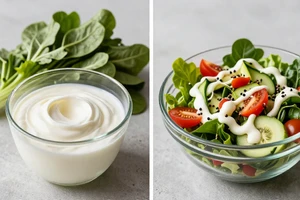
We expect sugar in cookies, cakes, or soda. The mistake is forgetting that sugar is also added to savory processed foods. Ketchup, barbecue sauce, salad dressings, flavored rice mixes, frozen pizzas, and even whole-wheat bread often contain added sugar. Eating them throughout the day, the grams add up quickly without tasting particularly sweet.
How to manage it: Check the "added sugars" line on the nutrition facts panel. The American Heart Association suggests limiting added sugar to no more than 36 grams per day for men and 25 grams for women. A single serving of sweetened salad dressing can contain 6–10 grams. Choose vinegar-based dressings or those with no added sugar. Use mustard or hot sauce instead of ketchup to cut sugar at meals.
A final thought on reading labels
Making better choices with processed foods doesn't mean memorizing every number. It means knowing the most common pitfalls and developing the habit of reading the ingredient list and nutrition facts panel. Over time, you will recognize which brands and products align with your health goals—and which ones are best left on the shelf.