Processed foods are convenient, affordable, and often satisfying — but when they start crowding out whole foods in your diet, your body sends signals. Many people don't realize how much of their daily intake comes from packaged snacks, sugary drinks, and pre-made meals. Over time, this pattern can lead to low energy, poor digestion, and a feeling of being "off" without a clear cause.
The good news is that you don't need a complete kitchen overhaul. Recognizing the signs is the first step, and swapping a few key items can make a real difference in how you feel day to day. Here are three common signs that processed foods may be running the show, along with practical, whole-food swaps that support better energy and health.
1. You feel tired and sluggish by mid-afternoon
If your energy crashes a few hours after lunch, the culprit may be your food choices. Many processed snacks and meals are high in refined carbohydrates and added sugars — think white bread, crackers, sugary yogurts, and granola bars. These foods spike your blood sugar quickly, only to let it fall steeply a short while later, leaving you fatigued and craving more sugar.
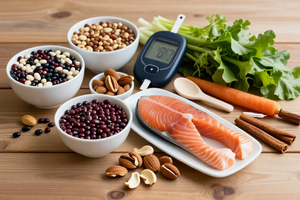
The swap: Instead of a granola bar or pretzels for a snack, try a handful of almonds with an apple, or a hard-boiled egg. These combinations of protein, fiber, and healthy fats provide steady energy without the crash. At lunch, choose a salad with chickpeas and a simple olive oil dressing over a sandwich made with deli meat and white bread. Whole foods release energy slowly, keeping you alert through the afternoon.
2. You struggle with bloating or irregular digestion
Processed foods are often low in fiber and high in sodium, preservatives, and artificial ingredients. A diet heavy in frozen dinners, chips, and fast food can leave your digestive system sluggish. Low fiber intake leads to constipation, while high sodium causes your body to retain water, adding to that uncomfortable bloated feeling.
The swap: Replace one processed meal per day with a fiber-rich whole-food alternative. For breakfast, swap a packaged breakfast bar for a bowl of oatmeal topped with berries and a tablespoon of chia seeds. Instead of instant ramen for lunch, try a lentil soup or a quinoa bowl with roasted vegetables. These swaps increase your fiber intake naturally, helping your digestion run smoothly and reducing water retention. Aim for at least 25 to 30 grams of fiber per day from sources like vegetables, fruits, legumes, and whole grains.
3. You feel hungry soon after eating
Ultra-processed foods are engineered to be hyper-palatable, but they lack the protein, fiber, and water content that signal fullness to your brain. You might eat a bag of chips or a sugary cereal and feel satisfied for only 30 minutes before the hunger returns. This cycle can lead to overeating and weight gain over time, all while your body misses out on essential nutrients.
The swap: Focus on volume and satiety by choosing whole foods that naturally fill you up. For example, swap a bowl of sugary cereal for a vegetable omelet with two eggs and a side of sautéed spinach. When you crave something crunchy, replace potato chips with raw bell pepper strips or cucumber slices dipped in hummus. Not only do these swaps keep you full longer, but they also provide vitamins and minerals your body needs to function well — like iron, magnesium, and potassium, which are often lacking in processed diets.
A simple rule of thumb: if a food has more than five ingredients or ingredients you can't pronounce, it's worth finding a whole-food alternative.
Making the switch stick
You don't have to cut out processed foods entirely. Instead, start with one small change each day. Swap your afternoon soda for sparkling water with a slice of lemon. Replace the white rice with a half-and-half mix of cauliflower rice and brown rice. Over the course of a few weeks, these small shifts add up. Your energy will stabilize, your digestion will improve, and you'll likely find that your cravings for processed snacks naturally decrease.
Listen to your body. If you're tired, bloated, or hungry all the time, your diet might be trying to tell you something. By choosing more whole foods — vegetables, fruits, lean proteins, legumes, and healthy fats — you give your body the fuel it needs to feel its best without relying on packaged shortcuts.