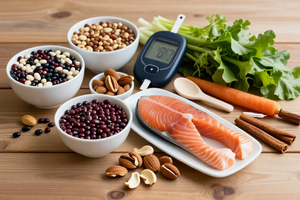

The standard American pantry is often packed with ultra-processed snacks—items with long ingredient lists, chemical stabilizers, and added sugars. These convenient bites may satisfy a craving, but they rarely deliver the nutritional density your body needs. Swapping them for whole or minimally processed foods can transform your daily nutrient intake. This shift supports everything from steady energy levels to long-term metabolic health, and the science behind it is remarkably straightforward.
Whole foods—think fresh fruits, vegetables, nuts, seeds, lean proteins, and whole grains—provide vitamins, minerals, fiber, and phytonutrients in their natural matrix. When you replace a bag of chips with an apple or a handful of almonds, you aren't just removing empty calories. You're adding bioactive compounds that help regulate blood sugar, reduce inflammation, and support gut health. Below, we explore the specific nutritional advantages of making those swaps.
The Vitamin and Mineral Gap
Ultra-processed snacks are typically low in micronutrients. A serving of cheese puffs or flavored crackers contains negligible amounts of vitamins like A, C, D, or E, and offers little in the way of minerals such as magnesium, potassium, or zinc. In contrast, whole foods are concentrated sources of these nutrients. For example, a medium orange provides over 70 mg of vitamin C, while a handful of almonds delivers about 80 mg of magnesium. Regularly choosing whole foods over processed options helps close the micronutrient gap that many adults unknowingly face.
Fiber, Satiety, and Blood Sugar Control
Ultra-processed snacks often contain refined flours and sugars that lack fiber. Your body digests these quickly, leading to rapid spikes in blood glucose followed by a sharp crash—a cycle that can leave you fatigued and hungry soon after eating. Whole foods, particularly fruits, vegetables, legumes, and whole grains, retain their natural fiber. Fiber slows digestion, stabilizes blood sugar, and promotes a feeling of fullness that can prevent mindless overeating later in the day.
A piece of fruit and a handful of nuts will keep you satisfied longer than a sugary granola bar, and the steady blood sugar response makes it easier to focus on work or physical activity.
Healthy Fats vs. Industrial Oils
Many packaged snacks are made with refined seed oils (soybean, canola, sunflower) that are high in omega-6 fatty acids and may become oxidized during processing. While some omega-6 is needed, an imbalance with omega-3s can promote inflammation. Whole-food swaps bring in healthier fat profiles. Nuts, seeds, and avocados provide monounsaturated and polyunsaturated fats that support heart health and reduce oxidative stress. A small handful of walnuts, for instance, delivers alpha-linolenic acid (ALA), a plant-based omega-3 that helps counterbalance inflammatory responses.
Antioxidants and Phytonutrients
Ultra-processed snacks lack the colorful pigments that signal high antioxidant content. Whole foods are rich in polyphenols, flavonoids, and carotenoids—compounds that protect cells from damage and support the immune system. Berries provide anthocyanins; carrots offer beta-carotene; dark leafy greens supply lutein and zeaxanthin. When you swap a processed snack for these options, you aren't just replacing empty calories—you're actively delivering compounds that help your body fight oxidative stress.
Gut Health and the Microbiome
The gut microbiome thrives on dietary fiber and diverse plant compounds. Ultra-processed foods often contain emulsifiers and artificial additives that can disrupt the gut lining and alter microbial balance. Whole foods, especially those high in prebiotic fiber like onions, garlic, oats, and legumes, nourish beneficial bacteria. A healthier gut environment is linked to better digestion, stronger immunity, and even improved mood regulation.
Shifting your snack habits doesn't require a complete overhaul overnight. Start with one swap: replace a packaged pastry with an apple and peanut butter, or trade potato chips for roasted chickpeas. Over time, these small changes compound, leading to higher nutrient density, better metabolic control, and more consistent energy throughout the day.