
It is easy to fall into the routine of reaching for convenient, packaged foods when life gets busy. But many of those staples — white bread, sugary cereals, frozen entrees — are stripped of fiber and loaded with refined ingredients that leave your digestion sluggish and your energy levels uneven. Dietitians emphasize that you do not have to overhaul your entire pantry overnight. Small, intentional swaps can quietly shift your nutrition profile without demanding a full kitchen renovation.
Below are seven processed food swaps that dietitians recommend for better daily nutrition. Each exchange targets a common weakness in the standard diet — too little fiber, too much added sugar, or an excess of refined fats — and offers a realistic alternative that supports steady digestion and lasting satiety.
Swap white bread for 100% whole-grain or sprouted bread
White bread is made from refined flour that has had the bran and germ removed, which strips away most of the natural fiber and many B vitamins. This makes it a quickly digestible carbohydrate that can spike blood sugar and leave you hungry again soon after eating. Whole-grain bread — or better yet, bread made from sprouted grains — retains the fiber-rich outer layers and provides a slow, steady release of energy. Dietitians recommend looking for a loaf that lists a whole grain as the first ingredient and contains at least 2 to 3 grams of fiber per slice. The swap is simple: use whole-grain bread for your morning toast, lunch sandwich, or dinner side.
Swap white rice for brown rice, quinoa, or cauliflower rice
White rice is the polished version of brown rice, with the husk, bran, and germ removed. That processing eliminates most of the fiber and a significant portion of the grain's natural nutrients. Brown rice, by contrast, retains the bran and germ, offering about three times the fiber per cup. Quinoa is another excellent alternative — it is a complete protein and cooks in roughly the same amount of time as white rice. For those looking to cut carbohydrates entirely, cauliflower rice provides a vegetable-based option that pairs well with stir-fries and grain bowls. None of these alternatives require a dramatic shift in cooking habits, yet they improve the nutrient density of your plate.
Swap sugary breakfast cereal for rolled oats with fresh fruit
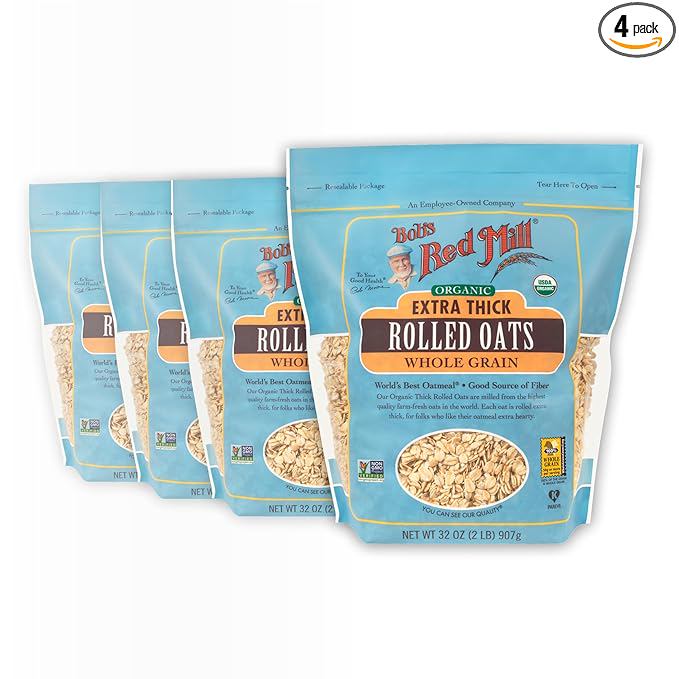
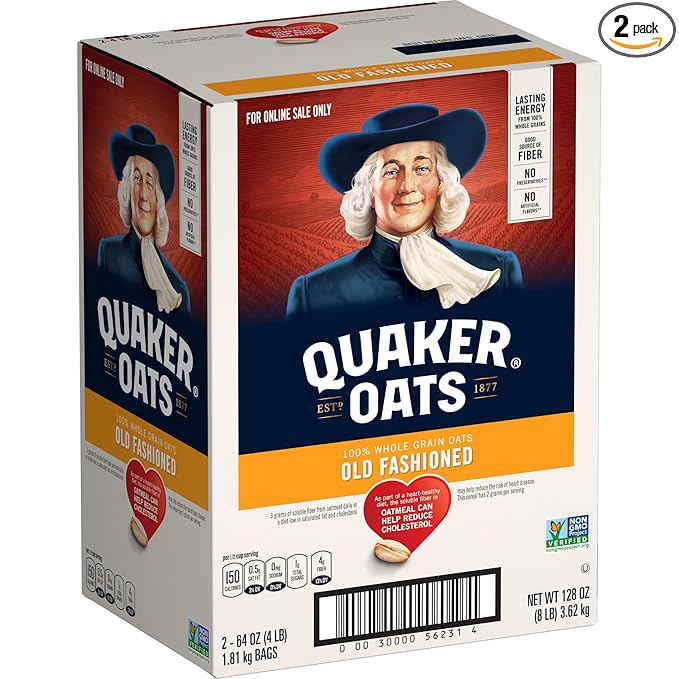
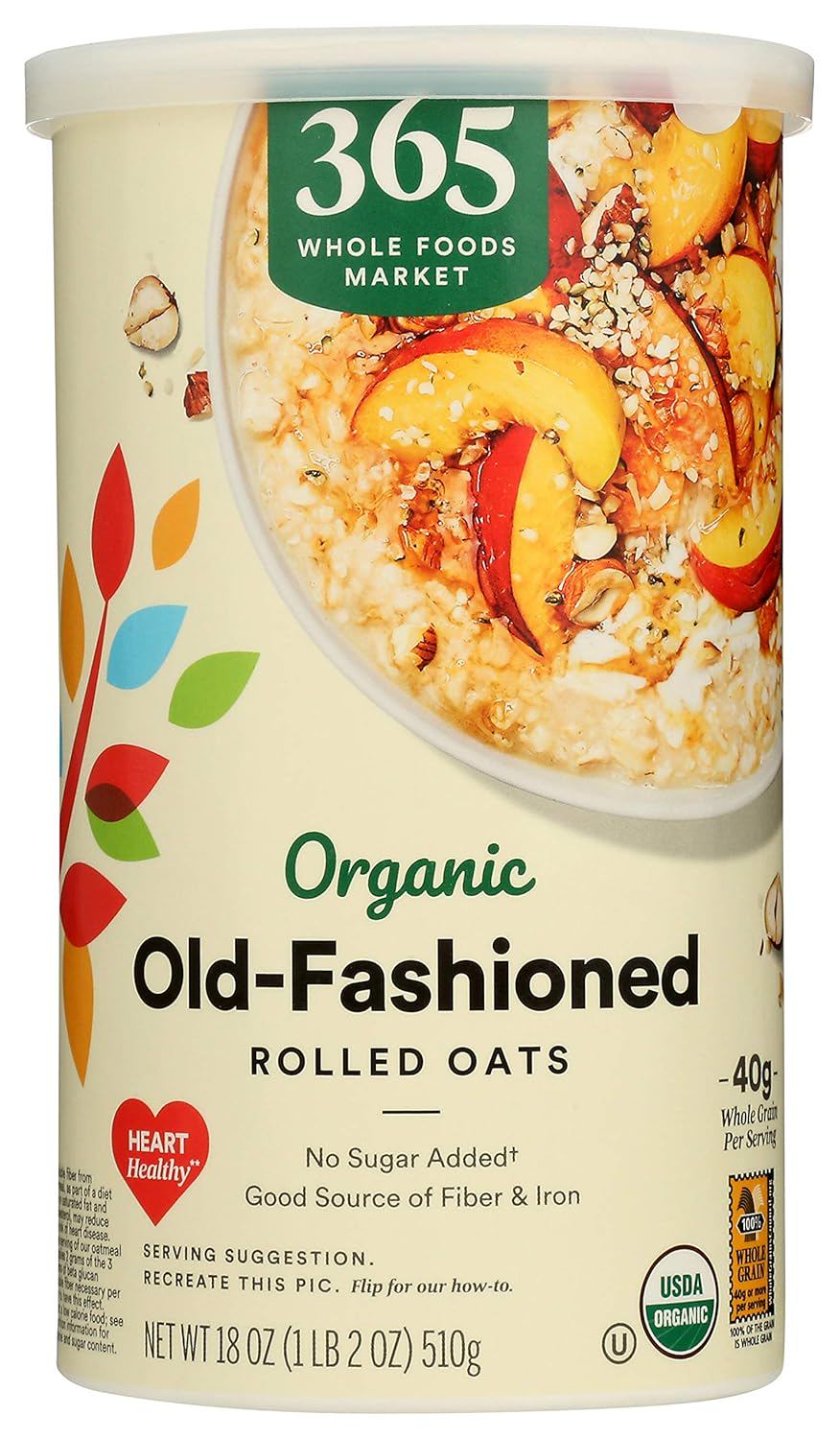
Many popular breakfast cereals, even those marketed as healthy, are heavily processed and contain added sugars that can equal several teaspoons per serving. They often lack the fiber needed to promote satiety and stable blood sugar. A bowl of rolled oats, on the other hand, is a whole grain that delivers soluble fiber — the type that supports heart health and helps you feel full until lunch. Dietitians suggest cooking oats with water or milk and topping them with fresh berries, sliced banana, or a dusting of cinnamon rather than reaching for a box of brightly colored flakes. If you need a quick option, unsweetened instant oats are still a better choice than sugary cereals, as long as you avoid the flavored packets that contain added sugar.
Swap potato chips for air-popped popcorn or roasted chickpeas
Potato chips are typically deep-fried in refined oils and salted heavily, making them a calorie-dense snack with minimal fiber and few micronutrients. Air-popped popcorn, when prepared without excessive butter or salt, is a whole grain that provides about 3.5 grams of fiber per three-cup serving. It satisfies the craving for something crunchy without the excessive fat and sodium. Roasted chickpeas are another dietitian favorite: they offer protein, fiber, and a satisfying crunch, especially when seasoned with herbs or smoked paprika. Both options can be made in bulk and stored in airtight containers, giving you a convenient snack that supports rather than hinders your daily nutrition.
Swap flavored yogurt for plain Greek yogurt with fresh fruit
Flavored yogurts, including fruit-on-the-bottom and vanilla varieties, are often packed with added sugars — sometimes as much as 15 to 20 grams per serving. While yogurt itself can be a good source of protein and probiotics, the added sugar undermines many of those benefits. Plain Greek yogurt contains significantly less sugar and roughly twice the protein of regular yogurt. To add sweetness and flavor, dietitians recommend stirring in fresh fruit, a drizzle of honey (in moderation), or a sprinkle of nuts and seeds. This swap preserves the creamy texture you enjoy while eliminating unnecessary sugar and improving the overall nutrient balance of your snack or breakfast.
Swap processed deli meats for roasted chicken or canned fish
Processed deli meats — such as salami, bologna, and many turkey or ham slices — are preserved with nitrates and high levels of sodium. They are also low in the beneficial nutrients found in unprocessed protein sources. Dietitians increasingly recommend replacing these with freshly roasted chicken breast, canned tuna, or canned salmon. These options are rich in protein, B vitamins, and omega-3 fatty acids (in the case of fish) without the additives. For quick lunches, you can roast a batch of chicken breasts at the start of the week and slice them for sandwiches or salads. Canned fish requires no cooking and becomes a ready-to-use protein for wraps or grain bowls.
Swap frozen pizzas and pre-made pasta dinners for homemade grain bowls
Frozen pizzas and boxed pasta dinners are convenient, but they are often engineered to be low in fiber and high in refined carbohydrates, sodium, and saturated fat. A homemade grain bowl — built around a base of quinoa, brown rice, or farro, topped with vegetables, a lean protein, and a simple vinaigrette — provides a more balanced meal that keeps you full longer. You can prep ingredients in advance, so assembly takes no more than five minutes. Dietitians point out that building meals from whole ingredients allows you to control the salt, fat, and fiber content, making it easier to meet your daily nutrition goals without relying on heavily processed shortcuts.
Small, consistent swaps — not perfect overhauls — build lasting habits. Every whole-food choice is a step toward better daily nutrition.