
If you've been dealing with bloating, sluggish digestion, or mysterious skin issues after meals, you might wonder if a specific food is causing the trouble. But with so many elimination diet plans online—from low-FODMAP to paleo-based resets—it can be confusing to know which one to try. The reality is that the best elimination diet for suspected food intolerances isn't necessarily the most restrictive one. It's the one that's structured, strategic, and built around your unique eating habits.
Health and wellness editors often hear from readers who have tried cutting out entire food groups on their own, only to end up confused about what they can actually eat. Dietitians see this pattern frequently, and the consensus is clear: the most effective plan is a targeted elimination and reintroduction protocol, not a wholesale lifestyle overhaul.
What makes a dietitian-recommended elimination diet different?
A proper elimination diet is a short-term diagnostic tool—not a permanent eating plan. The goal is to remove specific triggers for two to four weeks, then systematically reintroduce them to identify the culprit. Dietitians emphasize that the structure of the diet matters far more than the specific list of foods you avoid for a few weeks.
Here is how a structured approach typically works:
- Phase one: removal. You eliminate the most common trigger foods (dairy, gluten, eggs, soy, corn, peanuts, tree nuts, shellfish, and sometimes caffeine and alcohol) for two to four weeks.
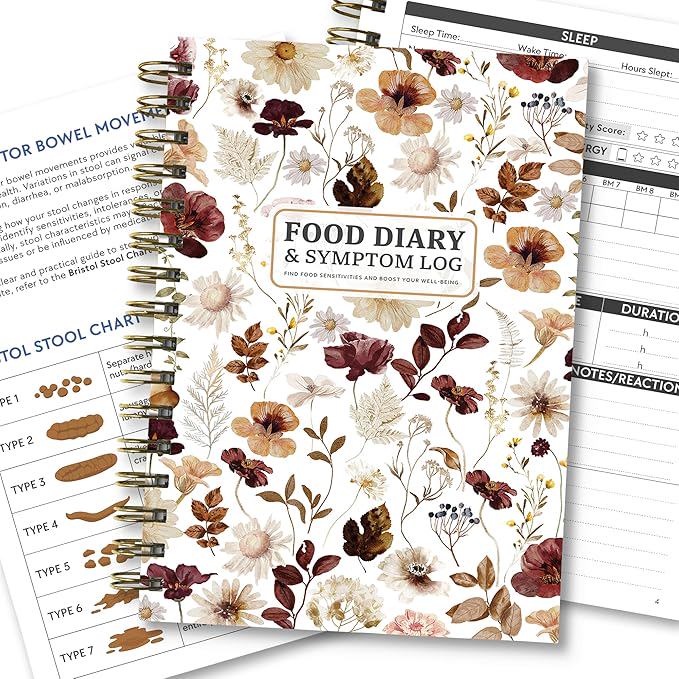
- Phase two: symptom tracking. Throughout the removal phase, you keep a detailed journal noting energy levels, digestion, skin clarity, mood, and any physical discomfort.
- Phase three: reintroduction. One food at a time, you add back a moderate serving over two to three days while monitoring symptoms. If symptoms return, you have identified a likely intolerance.
Dietitians stress that the reintroduction phase is where the real information lives. Without it, an elimination diet is just a restrictive diet with no actionable insight.
Common pitfalls in elimination diets—and what to do instead
Many people jump into an elimination diet too aggressively or stay on it too long, which can lead to nutrient deficiencies or disordered eating patterns. Below are three common mistakes and how to avoid them.
Cutting too many foods too quickly
When you remove dozens of foods at once, you will likely feel better simply because you are eating less overall or avoiding processed foods. But that does not tell you which specific food caused the original symptoms. A better approach: start with the most likely triggers based on your medical history.
Not eating enough variety during the removal phase
Some people end up eating only chicken, rice, and broccoli for weeks—a pattern that can lead to nutritional gaps and food boredom. Instead, work with a list of allowed foods that still supports a colorful, balanced plate. Dietitians often recommend using an elimination diet meal plan to ensure you are getting enough fiber, protein, and healthy fats.
Skipping the reintroduction phase
This is the most common error. Without systematic reintroduction, you never learn whether a food is actually a problem. You may unnecessarily avoid something like eggs or wheat for years, when your symptoms might have been caused by something else entirely.
Why the low-FODMAP diet is not for everyone
One of the most popular elimination-style diets today is the low-FODMAP diet, designed for people with irritable bowel syndrome. While effective for IBS, it is not the right starting point for everyone with suspected food intolerances. The low-FODMAP diet eliminates fermentable carbohydrates rather than whole protein-based triggers (like dairy or gluten). If your primary symptoms are hives, eczema, or joint pain rather than gas and bloating, a broader elimination diet might be more appropriate.
Dietitians also warn against using an elimination diet without guidance if you have a history of eating disorders, are underweight, or are pregnant. In those cases, careful monitoring by a registered dietitian is essential.
Practical tips for starting a safe elimination diet
If you decide to try a structured elimination diet under professional guidance, these tips can help you stay on track:
Keep a simple symptom diary. Use a notes app or a physical journal. Record what you ate, approximate portion sizes, and how you felt two hours after eating and the next morning.
Focus on whole foods. Build meals around vegetables, fruits, lean proteins, healthy fats, and gluten-free grains like quinoa or brown rice. Avoid packaged foods with long ingredient lists during the removal phase.
Plan for reintroductions. Choose one food to test every three days. If you react, wait until symptoms fully subside before trying the next food.
Consider an intermediate step. Some dietitians recommend a two-week modified elimination that removes only the top five most common triggers before going broader, which can improve adherence.
How long should a proper elimination diet last?
Most dietitians recommend a total duration of four to six weeks—two to four weeks of strict removal followed by two weeks of reintroductions. Staying on a highly restrictive elimination diet for longer than eight weeks is generally not advised unless monitored by a healthcare professional, as it can lead to unintended weight loss, social isolation, and micronutrient deficiencies, particularly in calcium, vitamin D, and B vitamins.
The goal is not to create a permanent food-avoidance list but to identify the specific foods your body struggles with so you can eat as freely as possible the rest of the time.
Remember, the best elimination diet is the one that gives you clear, usable data about your body—not the one that makes you feel constantly deprived. If you are unsure where to start, consulting a registered dietitian who specializes in food intolerances can save you weeks of guesswork and help you maintain a healthy relationship with food throughout the process.