Leaky gut is one of those conditions that sparks a lot of questions in my inbox. Readers want to know if it's real, what causes it, and most importantly—what to eat to help repair the intestinal barrier. When we talk about healing, prebiotic fibers often come up, but the guidance can be confusing. Some sources say fiber irritates a sensitive gut, while others insist it's essential for recovery.
As a health editor who works closely with registered dietitians, I can tell you the truth is more nuanced. The type of fiber matters enormously, and so does the timing. Here’s what dietitians actually say about using prebiotic fibers to support leaky gut recovery, without causing more harm than good.
What Is Leaky Gut, and Why Does Fiber Matter?
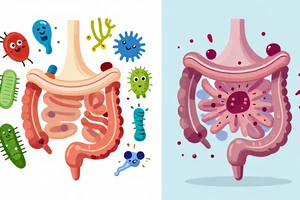
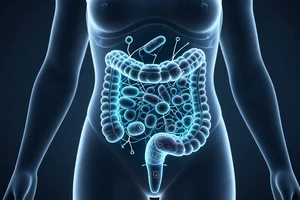
Leaky gut, or increased intestinal permeability, describes a condition where the tight junctions in your intestinal lining loosen. This can allow partially digested food particles, toxins, and microbes to pass into your bloodstream, triggering inflammation and immune responses. While mainstream medicine often debates the diagnosis, functional and integrative dietitians commonly work with clients who have symptoms consistent with this pattern.
Prebiotic fibers are non-digestible carbohydrates that feed beneficial gut bacteria. When your microbiome is healthy, bacteria produce short-chain fatty acids like butyrate, which nourish the cells lining your colon. But here's the catch: if your gut is already inflamed and permeable, certain high-fermentation fibers can aggravate symptoms like bloating, gas, and pain. The key is knowing which fibers to emphasize and when to introduce them.
“With leaky gut, we don’t want to add fuel to the fire. We start with gentle, soluble fibers that soothe rather than irritate.” — Amanda Sauceda, MS, RD
Best Prebiotic Fibers for Gut Repair, According to Dietitians
Not all prebiotics are created equal. Dietitians recommend focusing on fibers that support mucous production and butyrate synthesis without provoking excessive fermentation. These are the types that consistently come up in clinical conversations.
Partially Hydrolyzed Guar Gum
You might see this on supplement labels as PHGG or SunFiber. It's a soluble fiber derived from guar beans that has been broken down into smaller chains. Unlike whole guar gum, PHGG ferments slowly and evenly, which means less gas and bloating. Dietitians often use it as a first-line prebiotic in leaky gut protocols because it has research backing for improving intestinal barrier function and reducing symptoms like abdominal pain.
Green Banana Flour and Resistant Starch
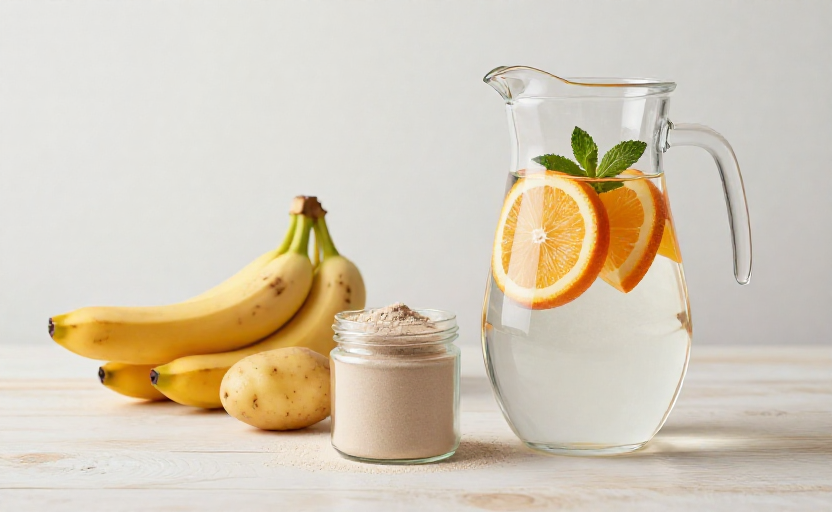
Green banana flour is a rich source of resistant starch, a type of prebiotic that feeds butyrate-producing bacteria without causing the same level of gas as other fibers. It's also naturally gluten-free and gentle on the digestive tract. Studies suggest resistant starch can help strengthen tight junction proteins. You can mix a tablespoon into smoothies or oatmeal, starting small.
Cooked and Cooled Potatoes or Rice
When you cook and then cool starchy foods like potatoes or white rice, some of the starches transform into resistant starch. This is a food-based prebiotic that dietitians often recommend because it's easy to digest and well-tolerated. You can add cooled potato chunks to salads or use leftover rice in stir-fries.
Gentle Soluble Fibers: Slippery Elm and Marshmallow Root
While these are technically not prebiotic fibers, they deserve an honorable mention because they support gut barrier health by forming a soothing gel along the intestinal lining. Many dietitians layer these with prebiotics during the early stages of recovery.
Which Prebiotics to Avoid (or Delay) During Active Recovery
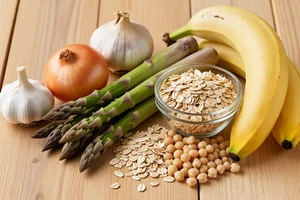
If your gut is highly reactive, some high-FODMAP and rapidly fermenting fibers can backfire. Dietitians generally advise against loading up on the following until your symptoms are under control:
- Raw garlic and onions — high in fructans, which can cause significant gas and bloating in sensitive individuals.
- Wheat bran and inulin from chicory root — these are potent prebiotics, but they ferment quickly and can worsen discomfort early on.
- Raw cruciferous vegetables — broccoli, cauliflower, and cabbage contain raffinose, another gas-producing fiber.
This doesn't mean you need to avoid these foods forever. Once the gut lining has had time to heal and you've reintroduced gentler fibers, you can test small amounts and see how your body responds.
How to Introduce Prebiotic Fibers Safely
Dietitians emphasize a slow, incremental approach. Going from zero fiber to a high-fiber diet is a recipe for pain. Here's a general strategy they recommend:
- Start with PHGG or green banana flour at one-quarter to one-half the recommended serving size.
- Increase only every 5–7 days, monitoring for bloating, gas, or stool changes.
- Eat prebiotic foods with meals rather than on an empty stomach to buffer fermentation.
- Drink plenty of water — fiber pulls water into the colon, and dehydration can worsen constipation.
- Pair with collagen or bone broth for additional amino acids that support intestinal lining repair.
- Using probiotics and prebiotics too aggressively at the same time. You want to stabilize the gut environment first. Adding both can overwhelm the system.
- Ignoring other lifestyle triggers. Stress, poor sleep, alcohol, and NSAIDs all contribute to intestinal permeability. Fiber alone cannot outrun a high-stress lifestyle.
- Sticking with fibers that cause pain, hoping it's “cleansing.” If a specific fiber consistently makes you feel worse, pause it. There is no reason to force a prebiotic that your gut isn't ready for.
“Your gut can only handle change as fast as your microbiome can adapt. The slow road is actually the fast road to lasting healing.” — Will Bulsiewicz, MD, MSCI
Food Sources vs. Supplements: What Dietitians Prefer
In an ideal world, we'd get all our prebiotics from whole foods. But during leaky gut recovery, many dietitians find that targeted supplements offer a more controlled approach. Food sources like Jerusalem artichokes, leeks, and asparagus are potent prebiotics but can be too aggressive for a compromised gut. A clean, low-FODMAP prebiotic powder allows for precise dosing and minimal irritation.
Once symptoms have improved—usually after four to eight weeks—dietitians guide clients toward reintroducing whole-food prebiotics. This step is crucial for long-term microbiome diversity and gut resilience.
Common Mistakes People Make With Prebiotics and Leaky Gut
Even well-meaning attempts at healing can go sideways. Here are three pitfalls dietitians see regularly:
Final Thoughts From the Editor's Desk
Leaky gut recovery is rarely a quick fix, but prebiotic fibers can be powerful allies when used correctly. The dietitians I've interviewed consistently stress patience, individualization, and the importance of working with a professional who can tailor the approach to your specific gut profile. If you suspect you have leaky gut, track your symptoms, start with the gentlest fibers, and give your body the time it needs to rebuild.
And if you're wondering where to begin—consider a simple shake with PHGG powder, a scoop of collagen, and a handful of spinach. It's gentle, nourishing, and exactly the kind of step dietitians would approve.