
As we age, our digestive system undergoes subtle but significant changes. Slower motility, shifts in the gut microbiome, and a natural decrease in digestive enzyme production can all impact how we process food. Yet many older adults do not get enough fiber—a nutrient that is critical for keeping the gut running smoothly. Dietitians increasingly emphasize that meeting fiber needs is not just about preventing constipation; it is about supporting the entire ecosystem of the gut, which in turn influences immunity, inflammation, and even mental well-being.
So, how much fiber do older adults really need, and what are the best sources? The answers are more nuanced than a one-size-fits-all recommendation. Here is what registered dietitians want you to know about fiber and gut health later in life.
Why fiber matters more with age
The gut microbiome—the community of trillions of bacteria living in the large intestine—changes as we get older. Diversity tends to decline, and beneficial species like Bifidobacterium and Lactobacillus may decrease. Fiber is the primary fuel source for these good bacteria. When you eat fiber-rich foods, your gut microbes ferment the fiber into short-chain fatty acids (SCFAs) like butyrate, which nourish the cells lining the colon, reduce inflammation, and support immune function.
“As we age, preserving microbial diversity becomes a major goal for long-term health,” explains registered dietitian nutritionist Caroline Thomason. “Fiber is the single most impactful dietary component for feeding that diversity.” Beyond the microbiome, adequate fiber intake helps regulate bowel movements, manage blood sugar levels, and lower cholesterol—all concerns that become more common in older adulthood.
How much fiber do older adults need?
The current Dietary Guidelines for Americans recommend 14 grams of fiber per 1,000 calories consumed. For most adults over 50, that translates to roughly 21–25 grams per day for women and 28–30 grams per day for men. However, many dietitians argue that these are minimum targets, not optimal goals. “In my practice, I suggest aiming for 25 to 35 grams daily, spread across meals,” says Thomason. “But the reality is that the average older adult gets only about 12 to 15 grams. The gap is substantial.”
It is worth noting that individual needs can vary based on medical history, medications (some affect gut motility), and existing digestive issues. A sudden increase in fiber can cause gas and bloating if the gut is not accustomed to it, so it is best to increase intake gradually over several weeks.
A key tip: To keep things moving comfortably, pair every increase in fiber with more water. Fiber absorbs fluid, and without enough hydration, it can actually worsen constipation.
Soluble vs. insoluble: both matter
Fiber is not a single substance; it comes in two main types, and both play distinct roles in gut health.
Soluble fiber dissolves in water to form a gel-like substance. It slows digestion, helps stabilize blood sugar, and binds to cholesterol to help remove it from the body. Good sources include oats, barley, lentils, apples (with the skin), citrus fruits, carrots, and beans.
Insoluble fiber does not dissolve in water; it adds bulk to stool and helps move food through the digestive tract. This is the fiber that is most directly linked to preventing constipation. Insoluble fiber is found in whole wheat, brown rice, nuts, seeds, celery, and the skins of many fruits and vegetables.
“A common mistake is focusing only on one type,” notes dietitian Patricia Bannan. “Older adults often reach for bran or psyllium for constipation, but without enough soluble fiber, the gut microbes miss out on their fuel. Variety is essential.”
Best high-fiber foods for older adults
Chewing difficulties, dental issues, or reduced appetite can make some whole foods challenging. Fortunately, there are many fiber-rich options that are easy to prepare and gentle on the digestive system:
- Oatmeal and steel-cut oats – soft, versatile, and packed with beta-glucan, a soluble fiber that feeds beneficial bacteria.
- Lentils and split peas – cook down tender, work well in soups, and deliver about 8–9 grams of fiber per half-cup cooked.
- Berries – raspberries and blackberries contain 6–8 grams of fiber per cup; they are soft, easy to eat, and rich in antioxidants.
- Avocado – half an avocado provides about 5 grams of fiber, plus healthy fats that support heart health.
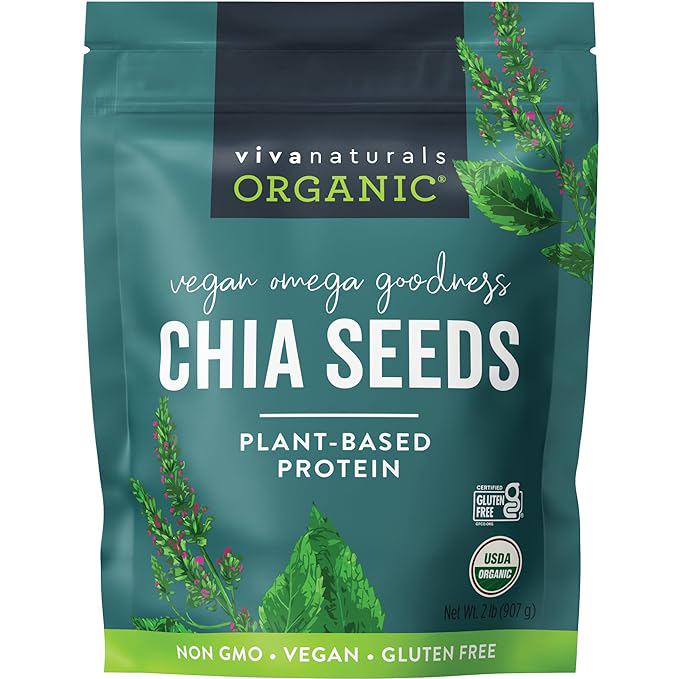
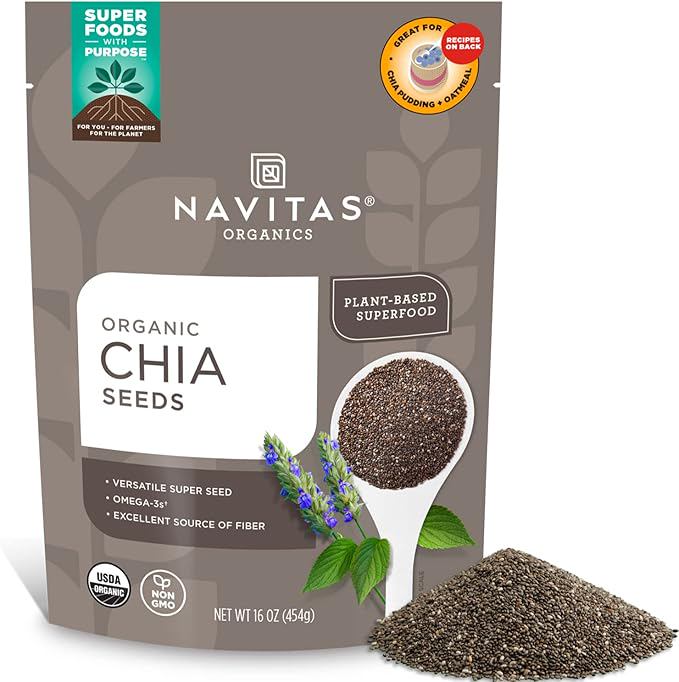
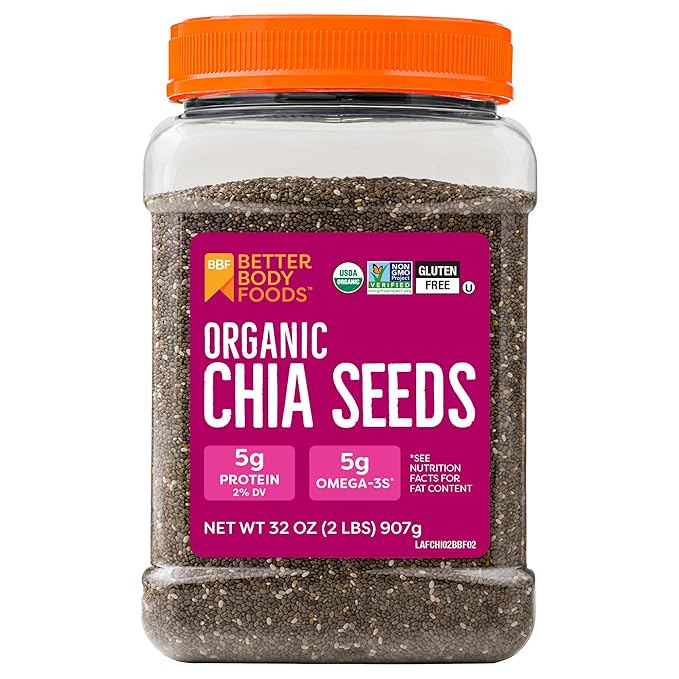
- Chia seeds and ground flaxseed – can be stirred into yogurt, oatmeal, or smoothies; just one tablespoon of chia seeds has about 4 grams of fiber.
- Cooked green vegetables – spinach, broccoli, and Brussels sprouts become easier to chew when steamed or roasted, while still providing fiber.
- Whole grain pasta or brown rice – these provide more fiber than their refined counterparts and, when cooked al dente, remain easy to eat.
When to consider a fiber supplement
Whole foods are always the preferred source of fiber because they deliver vitamins, minerals, and phytochemicals. However, for some older adults—those on a limited diet, with poor appetite, or with specific medical conditions—a fiber supplement can help close the gap. “I recommend a supplement only after food-based strategies have been tried,” says Bannan. “If someone is struggling, a gentle, unflavored psyllium husk powder or inulin-based supplement can help, but it should not replace fruits, vegetables, and whole grains.”
It is advisable to start with a low dose, such as half a teaspoon per day, and increase slowly while drinking plenty of fluids. Also, be aware that some supplements (especially inulin) can produce gas in sensitive individuals.
Common pitfalls and how to avoid them
- Increasing fiber too quickly – leads to bloating, cramps, and even diarrhea. Add 2–3 grams per day, then maintain that level for a few days before adding more.
- Not drinking enough water – without adequate fluid, fiber can create a plug in the colon, especially if you take a fiber supplement. Aim for at least 8 cups of fluid daily, more in hot weather or with physical activity.
- Relying on processed high-fiber bars and cereals – many contain added sugars and low-quality fiber isolates. Check labels: aim for products with whole food ingredients and at least 4 grams of fiber per serving with minimal added sugar.
Sample daily fiber plan
Aiming for 30 grams of fiber might seem daunting, but it is achievable with smart choices. Here is one day’s example from a dietitian’s toolkit:
- Breakfast: 1 cup oatmeal made with rolled oats (4 g fiber) + ½ cup raspberries (4 g) + 1 tbsp chia seeds (4 g) = 12 g
- Lunch: Lentil soup with carrots and celery (1 cup cooked lentils = 8 g) + a slice of whole-grain bread (2 g) = 10 g
- Snack: 1 medium apple with skin (4) = 4 g
- Dinner: Grilled salmon + 1 cup steamed broccoli (2.4 g) + ½ cup brown rice (2 g) = 4.4 g
Total: about 30 grams. Notice how no single meal is excessive; the fiber is spread out, which is gentler on digestion.
Ultimately, dietitians agree that the most sustainable approach is to gradually incorporate a variety of whole, plant-based foods into daily meals. The gut microbiome thrives on diversity, and the older gut is no exception. By focusing on fiber now, older adults can support digestive comfort, boost immunity, and lay the foundation for more resilient health in the years ahead.