
You know the feeling: your jeans are tight by mid-afternoon, your stomach feels like a drum, and you can’t figure out why. If bloating has become your default state after meals, it’s easy to blame it on portion size or eating too fast. But for many people, the real culprit is a food intolerance — a slow-burn reaction that can be surprisingly hard to pin down.
Unlike a food allergy, which tends to hit fast and hard, an intolerance often works in the background. The symptoms build over hours or even a day, which makes it tricky to connect the dots. If you’ve been wondering whether something you’re eating is quietly triggering your bloating, here are five key symptoms that point toward a food intolerance rather than just a heavy meal.
1. Bloating that shows up 2 to 6 hours after eating
Timing is the single most important clue. With a food allergy, symptoms like hives, swelling, or trouble breathing can appear within minutes. With an intolerance, the response is delayed. You might finish lunch and feel fine, only to notice your abdomen swelling a few hours later — sometimes just as you’re getting ready for a meeting or heading to the gym.
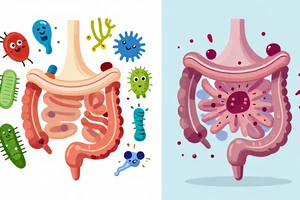
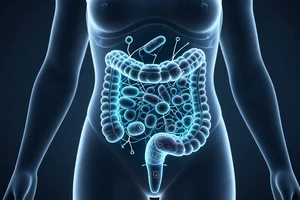
This happens because your digestive system struggles to break down a particular component of the food. The undigested particles travel to the large intestine, where gut bacteria ferment them, producing gas. That gas is what causes the stretching and distension you feel. Common triggers include lactose in dairy, fructose in fruit or honey, and gluten in wheat, barley, and rye. If you consistently see a delay of at least two hours between eating and bloating, you’re likely dealing with an intolerance, not an allergy.
2. A “heavy” or “full” feeling that doesn’t go away
Occasional bloating from a large meal typically clears up once your body begins digesting. With a food intolerance, that sensation of weight and pressure can linger for hours — even until the next morning. Some people describe it as a knot in their stomach or a feeling like they’ve swallowed a stone.
What makes this symptom distinct is its persistence. It doesn’t ease with a walk, burping, or passing gas the way normal bloating might. That lingering fullness suggests inflammation or irritation in the gut lining, which is a hallmark of many food intolerances. If you find yourself unbuttoning your pants regularly or struggling to eat normal portions later in the day, it’s worth paying attention to which foods preceded the discomfort.
3. Excessive gas and belching beyond the norm
Everyone gets gassy. But if you notice a sudden increase in flatulence or belching after certain meals — especially if it’s accompanied by bloating — it’s a strong signal that your body is struggling to process a specific food. The gas produced in an intolerance isn’t just air you swallowed; it’s generated by fermentation.
Foods high in fermentable oligosaccharides, disaccharides, monosaccharides, and polyols (commonly known as FODMAPs) are frequent offenders. Onions, garlic, beans, apples, and certain dairy products are high in these carbohydrates. If you notice that your gas follows predictable meals — say, every time you have a bean burrito or a yogurt smoothie — jot it down. That pattern is your digestive tract talking.
A food diary is often the single most useful tool for identifying an intolerance. Write down what you ate, when you ate it, and when symptoms appeared.
4. Nausea or queasiness after meals
Bloating and nausea often travel together when the gut is under pressure. The buildup of gas in the small intestine can push against the stomach and trigger a wave of mild nausea — not severe enough to make you vomit, but enough to ruin your appetite for the next few hours.
Many people with a food intolerance report feeling “off” after eating, especially if the meal was rich in a trigger food. This is different from motion sickness or morning illness; it’s a direct response to a specific meal. If you find yourself skipping dessert or feeling queasy after eating a food you once enjoyed without issue, your body may be signaling that it can no longer break down a certain compound effectively.
5. Loose stools, urgency, or alternating bowel habits
Digestive discomfort doesn’t stop at bloating. Many food intolerances affect the entire bowel. You might notice that your bloating episodes are followed by loose stools or a sudden need to use the bathroom. For others, symptoms swing the other way — constipation and bloating together.
This variability is common in intolerances to lactose, gluten, or fructose. The undigested sugars or proteins pull water into the gut, which can cause diarrhea. Alternatively, they may slow gut motility, leading to constipation and trapped gas. If your bowel movements have changed noticeably around the same time your bloating started, and especially if those changes correlate with certain foods, an intolerance is worth investigating.
What to do if these symptoms sound familiar
If you’ve recognized yourself in more than one of these symptoms, the next step isn’t to cut out everything at once. Start with a simple elimination diet: pick one common culprit — dairy is often the easiest to test — and remove it completely for two weeks. Keep a log of your bloating and bowel habits. If your symptoms improve, that’s a strong clue.
You can then reintroduce the food deliberately, in a small amount, to see if the bloating returns. That confirmation step helps distinguish a true intolerance from coincidence. For more complex cases, especially if multiple foods seem to be triggers, working with a registered dietitian or a gastroenterologist can help you avoid nutritional gaps while getting clear answers.
Bloating is common, but that doesn’t mean you have to live with it. When you know which symptom patterns point toward a food intolerance, you can turn a frustrating mystery into a manageable plan.