
Sodium gets a bad reputation in heart health conversations, and often for good reason. But not all sodium is created equal, and the story of how it affects your cardiovascular system is more nuanced than simply 'salt is bad.' A cardiologist looks at sodium through a specific lens: blood pressure regulation, fluid balance, and long-term strain on the heart muscle. Understanding this perspective can help you make informed choices without fear or confusion.
The average American diet contains far more sodium than the body needs, and most of it doesn't come from a salt shaker. Processed foods, restaurant meals, and hidden sources in everyday staples contribute the bulk of intake. A cardiologist's advice focuses on awareness, not elimination. Your heart requires some sodium to function, but the tipping point between helpful and harmful is narrower than most people realize.
How Sodium Actually Affects Your Blood Pressure
Sodium acts like a magnet for water in your bloodstream. When you consume more sodium than your kidneys can filter out, your body holds onto extra water to dilute the concentration. This increases the total volume of blood circulating through your arteries, which raises blood pressure. Over time, sustained high blood pressure forces the heart to work harder, stiffens artery walls, and increases the risk of heart attack and stroke.
Not everyone responds to sodium the same way. Some people are salt-sensitive, meaning their blood pressure rises more dramatically with sodium intake. Age, genetics, and existing health conditions like diabetes or kidney disease all influence sensitivity. A cardiologist can help determine your personal risk level, but in general, reducing sodium is one of the most effective dietary changes for lowering blood pressure.
How Much Sodium Do You Really Need?
The American Heart Association recommends limiting sodium to no more than 2,300 milligrams per day, with an ideal limit of 1,500 milligrams for most adults, especially those with high blood pressure. To put that in perspective, one teaspoon of table salt contains about 2,300 milligrams. Most people consume closer to 3,400 milligrams daily, largely from packaged and prepared foods.
A cardiologist will tell you that gradual reduction works better than drastic cuts. Your taste buds adapt over two to four weeks, so foods that once tasted bland will begin to taste salty again. Cooking at home, using herbs and spices instead of salt, and reading nutrition labels are practical steps that lower intake without making meals feel restrictive.
Hidden Sodium Sources You Might Miss
Even health-conscious eaters can fall into sodium traps. Foods labeled as reduced sodium or low fat often contain added salt to compensate for flavor loss. Bread, deli meats, canned soups, salad dressings, and even some breakfast cereals contribute surprising amounts. Restaurant food, especially from fast-food chains, can pack an entire day's worth of sodium into a single meal.
Reading the Nutrition Facts panel is more reliable than trusting front-of-package claims. Look at the milligrams per serving and the percent daily value. A sodium content of 20 percent or more per serving is considered high. Five percent or less is low. These numbers give you a clear picture without guesswork.
Potassium: The Natural Counterbalance
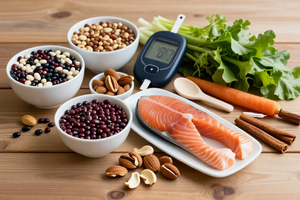
One of the most effective strategies for managing sodium's impact on your heart is increasing potassium intake. Potassium helps relax blood vessel walls and excrete excess sodium through urine. Foods rich in potassium include bananas, sweet potatoes, spinach, avocados, and beans. A cardiologist often recommends a diet high in potassium-rich fruits and vegetables as part of a heart-healthy eating pattern.
The DASH diet (Dietary Approaches to Stop Hypertension) is one of the most studied eating plans for lowering blood pressure. It emphasizes fruits, vegetables, whole grains, lean proteins, and low-fat dairy while limiting sodium, red meat, and added sugars. Many patients see measurable improvements in blood pressure within weeks of starting this approach.
What About Salt Substitutes and Light Salt?
Salt substitutes replace some or all of the sodium chloride with potassium chloride. For people with normal kidney function, these products can be a helpful tool. However, anyone with kidney disease or on certain blood pressure medications should check with their doctor first, because too much potassium can be dangerous in those cases. Light salt blends contain a mix of sodium and potassium, offering a middle ground.
Herbal seasoning blends without any salt are another safe option. Look for blends that use garlic powder, onion powder, citrus zest, and dried herbs. Experimenting with different combinations keeps meals interesting while protecting your heart.
Practical Tips From a Cardiologist's Perspective
Focus on what you can add to your diet rather than what you have to take away. More fresh produce, more whole foods, and more home cooking naturally reduce sodium without feeling like a restriction.
- Rinse canned beans and vegetables to remove up to 40 percent of the sodium.
- Choose fresh or frozen poultry and fish instead of processed options like nuggets or breaded fillets.
- Make your own salad dressing with olive oil, vinegar, and herbs.
- When eating out, ask for sauces and dressings on the side.
- Gradually reduce salt in recipes by half, then adjust from there.
The Bottom Line on Sodium and Heart Health
Sodium management is not about perfection. It's about consistency and awareness. A cardiologist's goal is to reduce cumulative strain on the heart over a lifetime, not to create anxiety around every meal. By learning where sodium hides, balancing it with potassium-rich foods, and cooking more at home, you can protect your heart without sacrificing flavor or enjoyment. Small shifts in daily habits create lasting benefits that compound over time.