Walk into any gym or sports field and you’ll see them: neon-colored bottles of sports drinks promising electrolytes, energy, and peak performance. But for many nutritionists, those sugary, artificially colored beverages are a hard pass. If you’re looking to stay hydrated without the additives and excess sugar, you might be curious about what the pros actually reach for when they finish a workout or just need to quench their thirst.
We spoke with three registered dietitians to find out their go-to hydration strategies. Their picks are simple, science-backed, and probably already in your kitchen. Here’s what they drink instead of traditional sports drinks.
1. Cold Water with a Pinch of Sea Salt and Lemon
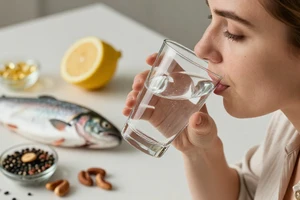
“I rarely need a sports drink unless I’ve been sweating heavily for over an hour,” says Sarah, a clinical dietitian. “For daily hydration, I just add a tiny pinch of high-quality sea salt and a squeeze of fresh lemon to my water.”
This mixture mimics the electrolyte profile of a sports drink—sodium to help retain fluids, and a touch of citrus for taste—without the 20-plus grams of sugar found in many commercial beverages. The sodium helps your body absorb water more efficiently, and the lemon provides a natural source of vitamin C. It’s a simple, low-calorie alternative that supports hydration without spiking your blood sugar.
If you’re exercising for less than an hour in moderate conditions, plain water is often enough. That pinch of salt just gives you a small edge if you’re a heavy sweater.
2. Unsweetened Coconut Water
For Rachel, a sports nutritionist, coconut water is her pick for longer runs or hot yoga sessions. “It naturally contains potassium, magnesium, and a little bit of sodium—everything your body loses when you sweat,” she explains. She looks for brands with no added sugar or flavors, keeping the ingredient list to just one item: coconut water.
Compared to commercial sports drinks, unsweetened coconut water has about half the sugar (around 9 to 11 grams per cup) and fewer calories. It’s also rich in electrolytes that support muscle function and prevent cramping. However, Rachel notes that if you are doing an endurance event lasting longer than two hours, you might still need a more concentrated electrolyte source. But for everyday exercise, it’s a winner.
Just check labels carefully—many flavored coconut waters add sugar. Pure, raw coconut water is your best bet.
3. Water with a Slice of Watermelon (or Other Hydrating Fruit)
The third nutritionist, Jessica, advocates for whole-food hydration. “I make what I call ‘fruit-infused water’ with slices of watermelon, cucumber, or oranges,” she says. “The fruit naturally releases electrolytes and a bit of fructose for quick energy. It’s like a mild, whole-foods sports drink.”
Watermelon, in particular, is water-rich and contains the amino acid citrulline, which may help reduce muscle soreness after exercise. Cucumbers add a crisp, hydrating note without any sweetness. This method works well for post-workout recovery or general hydration throughout the day—especially on warm days when you don’t need intense electrolyte replacement.
Jessica also points out that the act of eating or sipping fruit-infused water can be more satisfying than plain water, making it easier to drink enough fluids overall.
Why skip the sports drinks? Most store-bought sports drinks are packed with added sugar (often high-fructose corn syrup) and artificial colors. They are designed for athletes in sustained, high-intensity competition—not for the average person doing a 30-minute jog or afternoon walk. The extra sugar can contribute to dental decay, blood sugar spikes, and unnecessary calorie intake. While they do deliver electrolytes, you can get those nutrients from food and simpler drinks without the downsides.
The bottom line: listen to your body and match your hydration to your activity level. For most of us, water, a pinch of salt, and a piece of fruit do the job perfectly—no neon bottle required.