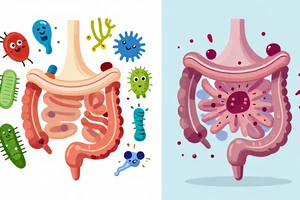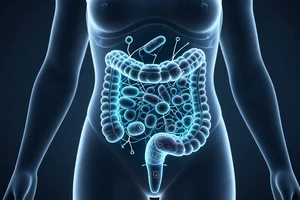
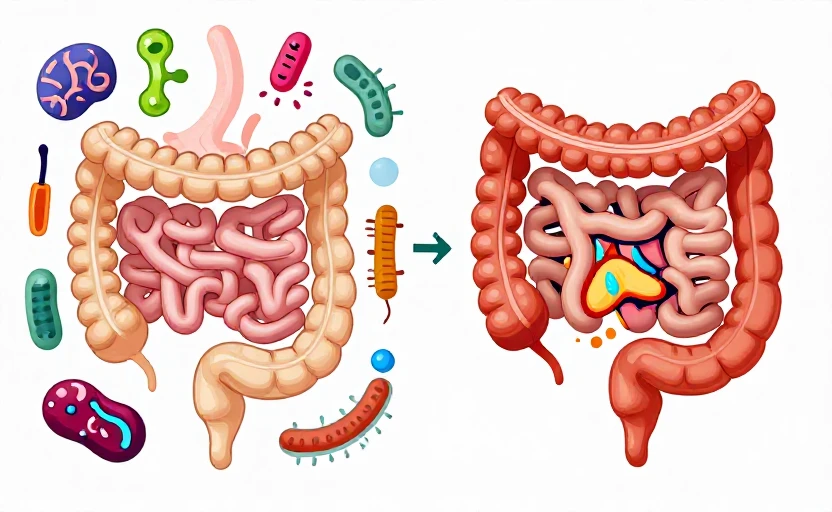
Your gut is more than just a digestive organ; it’s a complex ecosystem teeming with trillions of bacteria, fungi, and other microbes. This community, known as the gut microbiome, plays a surprisingly central role in your overall well-being. When this delicate ecosystem is in harmony, it supports everything from nutrient absorption and immune function to mood regulation. But when it falls out of balance—a state called dysbiosis—it can send signals throughout your body.
These signals aren't always dramatic. They often manifest as subtle, persistent changes that we might dismiss as stress, aging, or just a bad day. Learning to recognize these quieter warnings is the first step toward understanding your gut's needs and supporting its return to equilibrium.
What does a gut imbalance feel like?
Dysbiosis doesn't announce itself with a single, clear symptom. Instead, it creates a ripple effect. The communication between your gut and the rest of your body—often called the gut-brain axis—means disturbances in your microbiome can show up in seemingly unrelated places.
Think of your gut lining as a carefully guarded border. Beneficial bacteria help maintain the integrity of this border. When harmful microbes outnumber the helpful ones, this border can become more permeable, sometimes referred to as "leaky gut." This allows undigested food particles and toxins to enter the bloodstream, triggering widespread inflammation. That inflammation is often the root of the diverse symptoms people experience.
Digestive distress: The most direct signals
Unsurprisingly, some of the clearest signs originate in the digestive tract itself. Occasional bloating or gas is normal, but persistent issues can point to an imbalance.
- Persistent bloating and gas: Feeling uncomfortably full, tight, or gassy long after eating can indicate that food isn't being broken down efficiently, often due to a lack of the right microbial helpers or an overgrowth of gas-producing bacteria.
- Irregular bowel habits: This includes ongoing constipation, diarrhea, or an unpredictable alternation between the two. Your gut bacteria play a crucial role in forming stool and regulating motility.
- Heartburn or acid reflux: While often linked to diet, frequent reflux may also be connected to changes in the gut environment and bacterial overgrowth in the small intestine.
- Unexplained nausea or stomach discomfort: A general, low-grade queasiness or abdominal pain without a clear cause can be a sign your gut is struggling.
Listen to patterns, not just single incidents. A gut imbalance typically causes symptoms that are frequent and lingering.
Signals beyond your gut
This is where it gets interesting. Your gut bacteria produce a vast array of chemicals that influence systems far beyond digestion.
Skin reactions
Conditions like acne, rosacea, eczema, or persistent dryness can be external reflections of internal inflammation. The gut-skin axis is a well-established pathway, where systemic inflammation and immune dysregulation stemming from the gut can manifest on the skin.
Unintended weight changes
Gaining or losing weight without a significant change in diet or exercise can be puzzling. An imbalanced microbiome can affect how you store fat, regulate blood sugar, and feel hunger or satiety through the hormones it influences.
Fatigue and sleep issues
Chronic, unexplained fatigue is a common complaint. Much of the body's serotonin, a precursor to the sleep hormone melatonin, is produced in the gut. Dysbiosis can disrupt this production, leading to poor sleep quality and low energy.
Food intolerances
Developing new sensitivities to foods—especially those high in FODMAPs (fermentable carbs)—can occur. This may happen because the impaired gut lining and altered bacteria struggle to process these compounds, leading to gas, bloating, and pain.
Mood and mind fog
Anxiety, low mood, irritability, or difficulty concentrating ("brain fog") are strongly linked to gut health. The vagus nerve and inflammatory molecules provide a direct communication highway from the gut to the brain.
Weakened immunity
If you find yourself catching every cold or fighting frequent infections, consider your gut. Approximately 70% of your immune system resides in your gut-associated lymphoid tissue. A diverse, balanced microbiome is essential for training and regulating immune responses.
What throws your gut bacteria off balance?
Several modern lifestyle factors can deplete beneficial bacteria and allow less helpful ones to thrive. A common culprit is a diet low in fiber and high in ultra-processed foods, sugars, and unhealthy fats, which can feed inflammatory microbes. The overuse of antibiotics is another major disruptor, as they wipe out both bad and good bacteria indiscriminately. Chronic stress can alter gut motility and secretion, changing the environment for your microbes. Other factors include excessive alcohol consumption, lack of sleep, and environmental toxins.
Supporting a return to balance
If many of these signs feel familiar, it’s a cue to focus on supportive habits, not panic. The gut microbiome is remarkably resilient. The goal isn't perfection, but consistent nourishment for the beneficial microbes.
Prioritize diverse, fiber-rich plants like vegetables, fruits, legumes, and whole grains. Fiber is the preferred food (prebiotic) for your good bacteria. Include fermented foods like yogurt, kefir, sauerkraut, and kimchi, which contain live cultures. Manage stress through practices like walking, meditation, or deep breathing, as this directly impacts your gut environment. Stay hydrated with water, and consider your medication use with your doctor, especially prolonged antibiotic courses.
If symptoms are severe or persistent, consulting a healthcare provider—such as a gastroenterologist or a registered dietitian specializing in gut health—is essential to rule out other conditions and create a personalized plan.