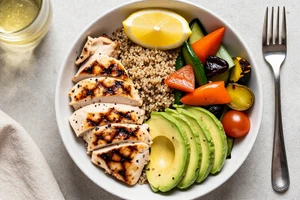

You hear it everywhere: protein is the key to staying full, keeping your metabolism humming, and losing weight. That part is true. But if you're nailing your daily protein target and the scale isn't budging, the type of protein you're reaching for could be the reason.
Not all protein is created equal for weight loss. A lean chicken breast and a plate of sticky barbecue wings both deliver protein, but they have very different effects on your calorie budget, your energy levels, and your overall health. We asked registered dietitians to identify the most common protein choices that actively work against your weight-loss goals—and what to swap them for.
1. Fried Meats (Chicken, Fish, and Steak)
It's tempting to think that grilled or roasted meat is basically the same as its fried counterpart, as long as you take the skin off. Not so. When meat is battered and deep-fried, it absorbs a shocking amount of oil. That thin, crispy coating can add dozens of grams of fat and hundreds of extra calories to a piece of chicken that would otherwise be a dieter's dream.
"Fried proteins are the most calorie-dense way to get your protein," says dietitian Lisa Andrews, RD. "You could be eating double the calories of a grilled option and still feel less satisfied an hour later."
The cooking oils used in frying are often high in omega-6 fatty acids, which can promote low-grade inflammation when consumed in excess—a factor that doesn't help weight loss. The simple swap is to bake, air fry (with minimal oil), or grill your proteins instead.
2. Processed Meats (Bacon, Sausage, and Deli Meat)
Bacon at breakfast, salami in your lunch wrap, a few slices of ham as a snack—processed meats are convenient and undeniably tasty, but they're a trap for anyone trying to slim down.
The biggest problem is the sodium load. Just two slices of deli turkey can pack 400–600 mg of sodium. High sodium leads to water retention, which can make the scale jump by a few pounds overnight. That's not fat gain, but it's discouraging and can mask real progress. More importantly, the preservatives and nitrates found in many processed meats have been linked to bloating, digestive discomfort, and—in large amounts—a higher risk of certain cancers.
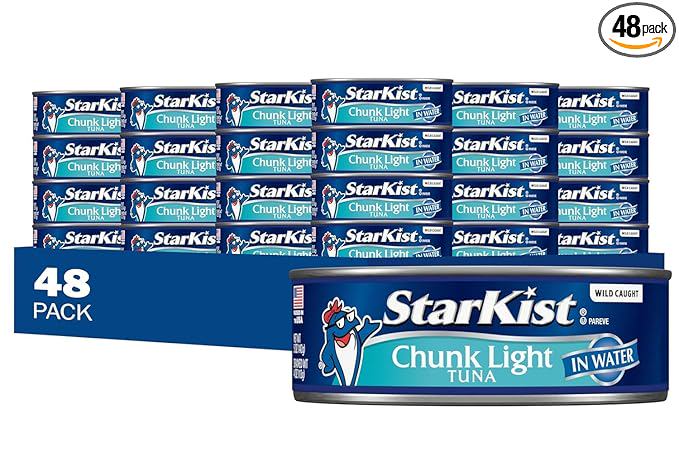
Because processed meats are calorie-dense but not very satiating for their calorie count, you can easily consume 300 calories' worth of bacon before you even start the rest of your meal. Dietitians suggest replacing processed meats with whole food options like roasted turkey breast, canned tuna, or sliced hard-boiled eggs.
3. Fatty Cuts of Red Meat (Prime Rib, T-Bone, and Ribeye)
Not all red meat is a problem. A lean sirloin steak or a 90/10 ground beef patty fits well into a weight-loss plan. The trouble starts when you choose the marbled, high-fat cuts. Prime rib, ribeye, T-bone, and porterhouse steaks can contain 15 to 20 grams of saturated fat in a single serving.
Excess saturated fat contributes to empty calories and can negatively affect cholesterol levels over time. For weight loss, the issue is simple: you're spending a large portion of your daily calorie allowance on fat you don't need, instead of getting the protein your muscles need to recover and your metabolism to stay high. A better choice is to choose cuts labelled "loin" or "round" and to trim visible fat before cooking.
4. Full-Fat Dairy (Whole Milk, Cream, and Block Cheese)
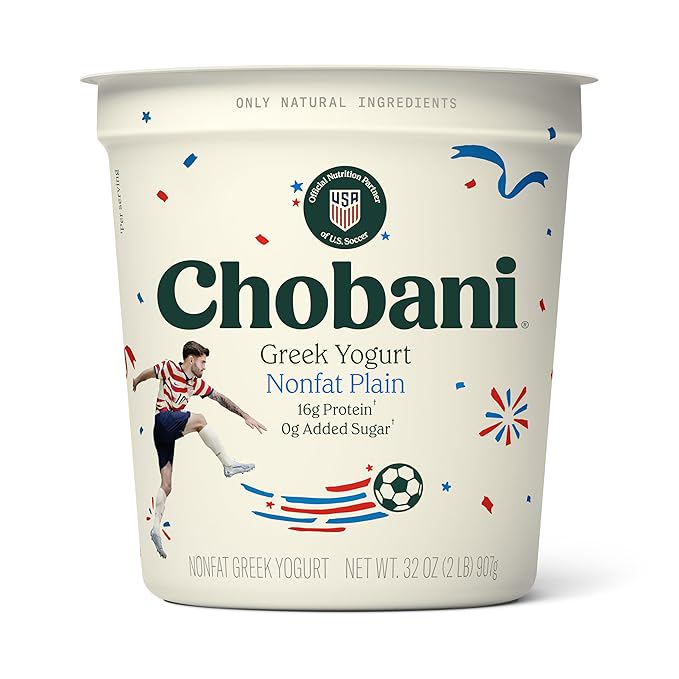
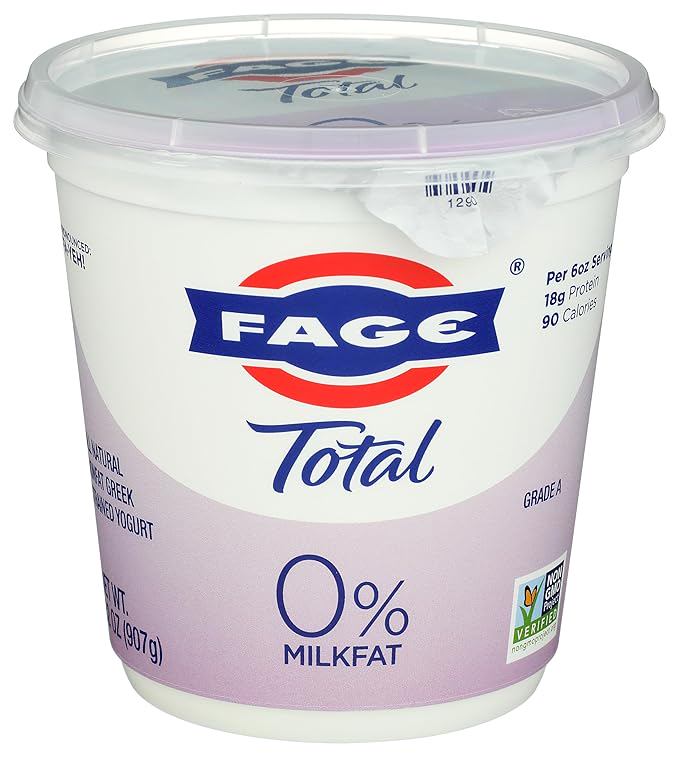
Dairy can be a fantastic weight-loss food—plain Greek yogurt, cottage cheese, and low-fat milk are all excellent sources of casein and whey protein. But full-fat versions of these same foods are a different story. A cup of whole milk delivers about 150 calories and 8 grams of fat. A cup of skim milk gives you 90 calories and less than a gram of fat. You get the same protein and calcium for roughly 60 fewer calories.
Cheese is the bigger offender, because it's very easy to overeat. A few cubes of cheddar can clock in at 200 calories or more, and the fat-to-protein ratio is heavily skewed toward fat. Cream-based sauces and full-fat yogurts with added sugar are even worse—they combine the high calorie density of dairy fat with sugar.
Dietitians don't say to avoid dairy entirely, but they recommend sticking with low-fat or nonfat versions, and using full-fat cheese as a garnish rather than a main protein source.
5. Protein Bars That Are Basically Candy Bars
It's easy to grab a protein bar when you're in a rush, assuming it's a health food. But many of the most popular protein bars are closer to candy bars than to a clean protein source. They often contain a significant amount of added sugar, sugar alcohols, palm oil, and refined flours—all of which can spike your blood sugar and leave you hungry again within an hour.
The total calorie count is also a concern. Some bars pack up to 350 calories for only 12–15 grams of protein. That's a poor protein-to-calorie ratio. Dietitians advise reading the ingredient list carefully: if sugar (or any of its many names) is among the first three ingredients, put it back. A better choice for a portable protein source is a protein shake with a short ingredient list, or simply a handful of almonds and a hard-boiled egg.
6. Sweetened Plant-Based Protein Powders
Plant-based protein powders, such as pea, hemp, and brown rice protein, can be excellent for weight loss—in their unsweetened form. The flavoured, sweetened versions are a different story. Many brands add natural sweeteners like stevia or monk fruit, but others use cane sugar, coconut palm sugar, or even corn syrup solids. A single serving can contain 8 to 15 grams of added sugar.
On top of that, some companies use a "protein blend" that includes oat flour, rice flour, or other cheap fillers that lower the protein concentration per scoop. When you mix that with milk or a milk alternative, you can end up with a 300-calorie shake that's more carbohydrate than protein. Stick to unsweetened powders and add your own flavour with fresh fruit or a pinch of cinnamon.
What to Choose Instead
If you want to lose weight without losing muscle, reach for lean, minimally processed protein sources:
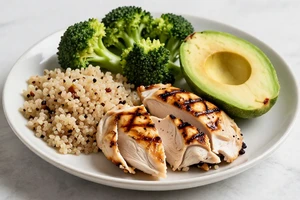
- Chicken or turkey breast — skinless and grilled, baked, or air fried
- Fish and shellfish — salmon, cod, tuna, shrimp, and scallops
- Eggs — especially egg whites, though whole eggs in moderation are fine
- Low-fat Greek yogurt or cottage cheese — plain, unsweetened
- Legumes and lentils — great plant-based options that also provide fiber
- Tofu and tempeh — choose firm or extra-firm for a higher protein content
Making smart protein choices doesn't mean you have to eat boring food. It just means being honest about what you're putting into your body. If it's fried, heavily processed, or loaded with added sugar, it's probably working against your weight-loss efforts—even if it has a little protein in it.