Walk through any grocery store and you will see it on labels: 9 calories per gram for fat. But that number rarely tells the full story of what happens on your plate. Whether you are drizzling olive oil over a salad, scooping almond butter into a smoothie, or slicing avocado for toast, the real question is not just about the math—it is about the serving.
Understanding the calorie density of healthy fats helps you eat with intention. These are nutrient-rich foods that support your brain, hormones, and energy. But because fat contains more than twice the calories per gram of either carbohydrates or protein, portions matter more here than in almost any other food group.
The baseline: why fats are calorie-dense
Every gram of dietary fat delivers roughly 9 calories. Compare that to 4 calories per gram for protein and carbohydrates, and it is easy to see why a small serving of something like nuts or oil can carry a surprising calorie load. That density is not a flaw—it is a feature. Fat gives you sustained energy and helps your body absorb fat-soluble vitamins like A, D, E, and K.
But density means precision. A tablespoon of olive oil and a tablespoon of coconut oil both provide about 120 calories because the base is pure fat. The difference lies in their fatty-acid profiles and how they interact with your metabolism. For everyday eating, that dozen-calorie-per-gram rule is your anchor.
Common healthy fats and their calorie counts per serving
These numbers reflect standard serving sizes you would actually use. They come from USDA nutrient databases and typical product labels.
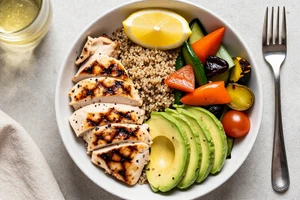
Avocado — One-third of a medium avocado (about 50 grams) provides roughly 80 calories and around 7 to 8 grams of fat. A whole avocado runs closer to 240 calories, so it pays to pay attention when you are adding it to a bowl or sandwich.
Extra-virgin olive oil — One tablespoon weighs about 14 grams and delivers 119 calories with 13.5 grams of fat. This is the gold standard for salad dressings and low-heat cooking. If you pour freely from the bottle, a three-tablespoon pour adds roughly 360 calories.
Almonds — A one-ounce handful (about 23 almonds, or 28 grams) contains roughly 164 calories and 14 grams of fat. That handful is surprisingly small once you count them out, but it brings fiber and vitamin E along for the ride.
Walnuts — The same one-ounce serving of walnuts (about 14 halves, or 28 grams) provides about 185 calories and 18.5 grams of fat. Walnuts are especially rich in omega-3s, making them a standout among tree nuts even though the calorie number looks slightly higher.
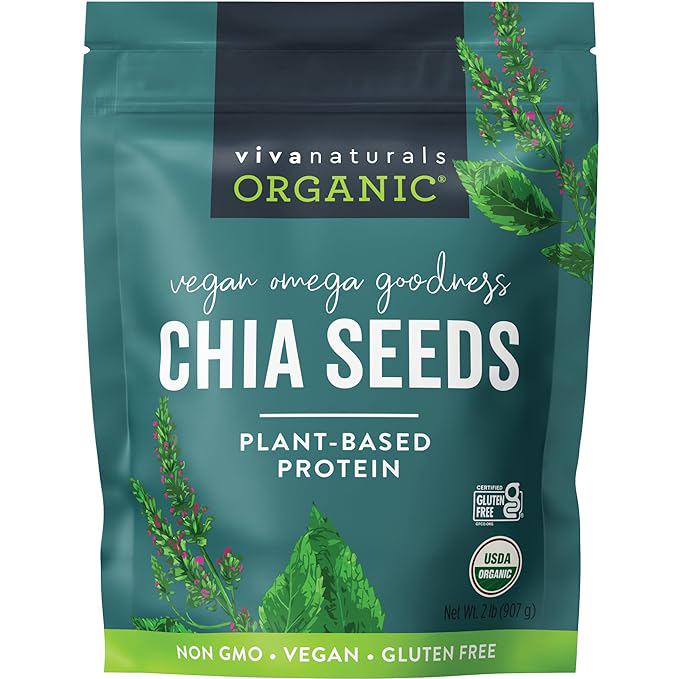
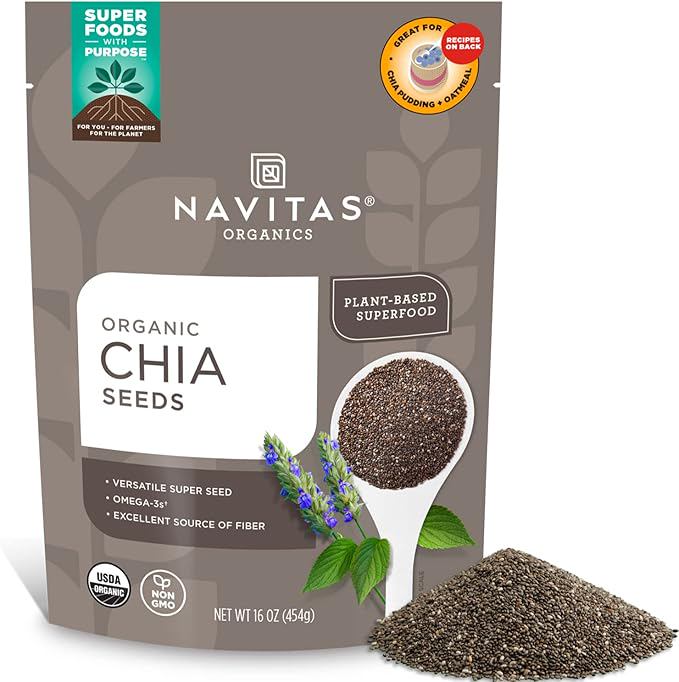
Chia seeds — Two tablespoons (about 28 grams) supply roughly 138 calories and 9 grams of fat. Their ability to absorb liquid and form a gel makes them useful for puddings and smoothies, but portion creep happens easily since they are small and light.
Full-fat Greek yogurt — A standard three-quarter cup serving (about 170 grams) provides around 170 calories and 9 grams of fat. The fat here comes from dairy, which delivers a different fatty-acid profile than plant sources. Plain yogurt without added sugar keeps the calorie count honest.
Dark chocolate — One ounce (about 28 grams, or a square or two of a typical bar) with 70 to 85 percent cacao gives you roughly 170 calories and 12 grams of fat. The fat comes from cocoa butter, and the polyphenols add a distinct antioxidant benefit that lighter chocolates lack.
How serving size changes the picture
Calorie density becomes a practical issue when you eat mindlessly. Pouring olive oil straight from the bottle into a pan can easily reach three or four tablespoons before you look down. Snacking on nuts from a large bag often turns a single serving into three servings without registering.
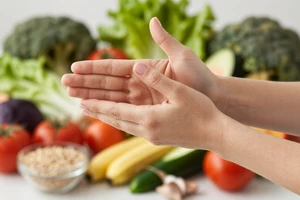
A good strategy is to measure high-fat ingredients at least a few times until the portion size becomes visual memory. A tablespoon of oil is roughly the size of your thumb tip. A serving of nuts fits into the palm of your hand without stacking. Halving an avocado and scooping out one-third is easy with a knife score.
Healthy doesn’t mean unlimited
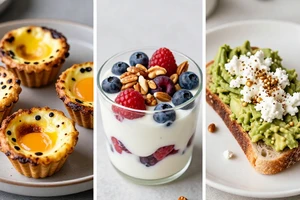
There is a common trap in wellness circles: labeling a food as healthy and then assuming you can eat it freely. Avocado toast with a poached egg can be a balanced meal. But if you are tracking calories for weight management, a whole avocado plus two tablespoons of oil on your salad can add up to nearly 500 calories before you add anything else.
That does not mean you should fear fat. It means you treat it with the same respect you would give any calorically dense ingredient. The goal is not elimination—it is calibration.
Practical ways to include healthy fats without overshooting
Instead of cutting fat out, think about where it lands in your daily eating pattern. A few small shifts can keep your calorie intake in check while still getting the nutritional upside:
- Use measuring spoons for oils and nut butters until you internalize the portion.
- Buy pre-portioned snack packs of nuts or seeds if you tend to overeat from bulk bags.
- Use half the amount of dressing you normally would and add a splash of vinegar or citrus to stretch the flavor.
- Add avocado as a topping rather than a base—a few slices can hit the spot without using the whole fruit.
A single tablespoon of oil adds roughly 120 calories. That same tablespoon is often what separates a light sauté from a calorie-dense sauce.
Fat quality also matters. Replacing processed trans fats with unsaturated sources like olive oil, nuts, seeds, and fatty fish improves your lipid profile and supports long-term health. The calorie count is the same for a tablespoon of canola oil and a tablespoon of extra-virgin olive oil, but the broader health effects are not interchangeable.
What about cooking methods
How you cook with fat changes the calorie impact in subtle ways. Pan-frying in oil means some of the fat stays in the pan unless you consume the drippings. Roasting vegetables with a light coating of oil leaves most of the fat on the food. Deep frying is a different story because the food absorbs a significant amount of oil, raising both calorie and fat content substantially.
For most home cooking, a teaspoon or two of oil per serving is enough to prevent sticking and add flavor without loading up on calories. If you are watching your intake, nonstick pans and cooking sprays can reduce the amount of fat you need.
Putting it together in a full day
If you aim for a 2000-calorie daily intake and roughly 30 percent of those calories from fat, that works out to about 65 to 70 grams of fat per day. Spread across three meals and a snack, that could look like:
- Breakfast: one ounce of almonds (14 grams fat)
- Lunch: two tablespoons of olive oil dressing (27 grams fat)
- Dinner: four ounces of salmon (about 10 to 12 grams fat)
- Snack: half an avocado (about 11 grams fat)
That totals roughly 65 grams of fat. Adjust upward or downward depending on your activity level and personal needs. The key is knowing the ballpark of each ingredient so you can build a plate that satisfies without surprising you.
Healthy fats are not the enemy of a well-managed diet. They are the component that requires the most attention to portion size. Once you learn what a real serving looks like on your spoon, in your palm, or on your knife, the 9-calorie-per-gram rule stops being an abstract number and becomes a practical tool you use every time you eat.