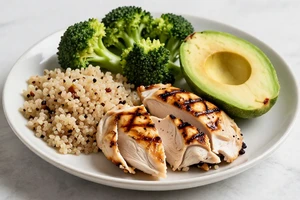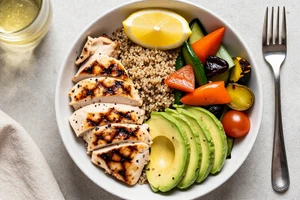
Fat often gets a bad reputation when you're trying to manage your weight, but the truth is that not all fats are created equal. Strategic fat swaps—not eliminations—can help you feel satisfied, stabilize your appetite, and naturally trim calories without the feeling of deprivation. Below are four evidence-backed fat swaps that can quiet hunger pangs and support a calorie deficit.
Why swapping fat matters for appetite control
Dietary fat plays a unique role in satiety. It slows gastric emptying and triggers the release of hormones like cholecystokinin (CCK) that tell your brain you've had enough. However, some fats are far more calorie-dense and less nutrient-rich than others. The goal is not to cut fat out but to trade less healthy, high-calorie sources for options that provide more satiety per bite.
Quick caveat: Fat provides 9 calories per gram, versus 4 calories per gram from carbs or protein. Even healthy fats can contribute to weight gain if portions aren't mindful. These swaps are designed to improve the quality of your fat intake, not to license unlimited eating.
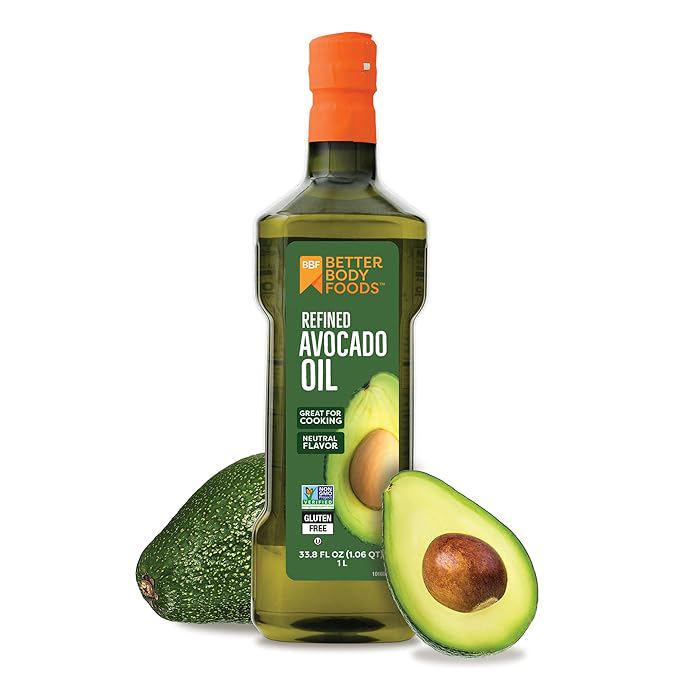
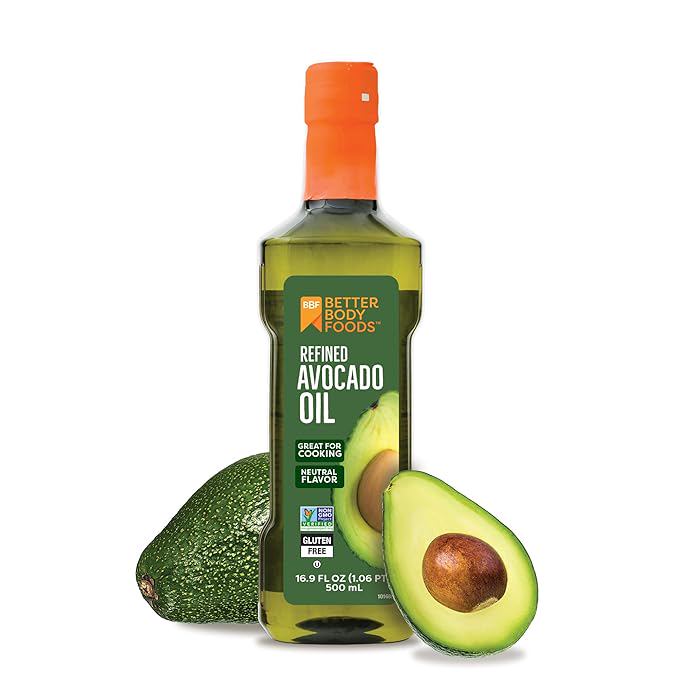
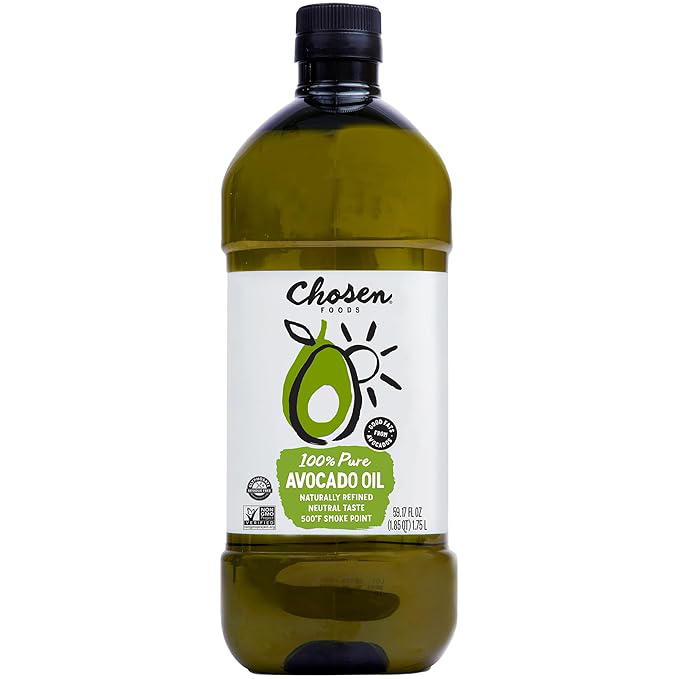
1. Swap butter for avocado or avocado oil
Butter is a staple in many kitchens, but it's predominantly saturated fat with very few micronutrients. A single tablespoon of butter contains about 102 calories and 11.5 grams of fat, with nearly 7 grams of saturated fat. Avocado and avocado oil offer a markedly different fatty acid profile. Avocado is rich in monounsaturated fats (MUFAs), which have been linked to improved satiety and reduced belly fat storage when compared to diets high in saturated fat.
Try mashing a quarter of a medium avocado onto toast instead of butter—you save roughly 30 calories and gain fiber and potassium. Use avocado oil for sautéing vegetables or drizzling over roasted dishes. The higher smoke point of avocado oil (around 520°F) makes it a practical choice for cooking, unlike extra-virgin olive oil which can degrade at high temperatures.
2. Swap heavy cream for full-fat Greek yogurt or cottage cheese
Heavy cream is one of the most calorie-dense dairy products, packing 51 calories per tablespoon (nearly all from fat). While heavy cream adds richness to sauces, soups, and coffee, it provides little protein or probiotics. Full-fat Greek yogurt, on the other hand, delivers about 7 grams of protein per 100 grams and a similar creamy mouthfeel with roughly half the calories of heavy cream.
In pasta sauces, replace a quarter cup of heavy cream with an equal amount of full-fat Greek yogurt (stirred in off the heat to avoid curdling). For a savory dip or salad dressing, blend cottage cheese until smooth—it mimics the texture of cream but offers a protein boost that supports appetite regulation. A 2015 study in the American Journal of Clinical Nutrition found that higher-protein dairy snacks led to greater satiety and less subsequent eating compared to high-fat snacks with the same total calories.
3. Swap processed dressings for olive oil and vinegar
Many commercial salad dressings—especially ranch, Caesar, and creamy balsamic—use inexpensive oils like soybean or canola oil blended with added sugars, stabilizers, and artificial flavors. A two-tablespoon serving of a typical creamy ranch dressing contains about 140 calories, 14 grams of fat, and 2 grams of sugar, with minimal beneficial nutrients.
Whisking two teaspoons of extra-virgin olive oil with one tablespoon of red wine or balsamic vinegar gives you roughly 80 calories, the same volume of flavor, and a dose of anti-inflammatory polyphenols. Olive oil's MUFAs have been shown in research to increase post-meal fullness more than polyunsaturated fats. For variety, try tahini (sesame paste) as a dressing base—it's rich in healthy fats and has a nutty taste that pairs well with lemon juice and garlic.
4. Swap conventional cooking oils for nut and seed oils (used sparingly)
Vegetable, soybean, and corn oils are ubiquitous in restaurants and packaged foods. They are high in omega-6 fatty acids, and while omega-6s are not inherently harmful, the typical Western diet skews heavily toward omega-6s with insufficient omega-3s—a ratio linked to inflammation and metabolic issues. Swapping in small amounts of walnut oil, flaxseed oil, or toasted sesame oil can improve your fatty acid balance and add distinct flavor.
Use walnut oil on steamed vegetables or cold grain salads. A drizzle of toasted sesame oil over roasted broccoli or a stir-fry adds richness with just a teaspoon (about 40 calories and 4.5 grams of fat). Flaxseed oil is best used cold in smoothies or vinaigrettes since it oxidizes easily when heated. Remember: these oils are not calorie-free. The swap works because a little goes a long way in terms of flavor, so you naturally use less total fat compared to a generous pour of generic vegetable oil.
How to make these swaps stick
Changing your fat sources doesn't require a complete pantry overhaul. Start with one swap for a week—try avocado oil for sautéing instead of butter. Once that feels normal, layer in another. Keep a container of full-fat Greek yogurt in your fridge for cooking and snacking. Store your nut oils in the fridge to preserve freshness. When you eat out, ask for olive oil and vinegar on the side instead of prepared dressing.
The key is consistency. Research from the Journal of Nutrition indicates that individuals who make small, sustainable dietary changes are significantly more likely to maintain weight loss over 12 months compared to those who attempt drastic overhauls. Fat swaps are a low-effort, high-impact lever for appetite control and calorie reduction.