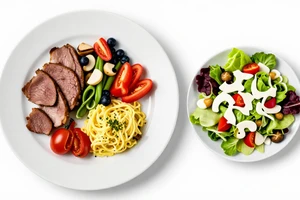

You’re tracking calories, maybe even counting macros, and you’ve committed to a healthier diet. Yet the scale seems stubbornly stuck. It’s a frustrating experience that often has less to do with willpower and more to do with the subtle, overlooked details of how you’re fueling your body. The three primary macronutrients—protein, carbohydrates, and fat—are the building blocks of your diet, but common misunderstandings about their roles can quietly undermine your weight loss efforts.
Correcting these mistakes isn’t about adopting a restrictive fad diet. It’s about aligning your intake with your body’s actual needs, creating a sustainable nutritional foundation that supports metabolism, satiety, and energy. Let’s explore the typical pitfalls that can stall progress and how to navigate them for better results.
Mistake 1: Treating All Calories as Equal
It’s a foundational concept in weight management: a calorie is a unit of energy. But the source of that calorie matters immensely to your body’s hormonal response, metabolic rate, and hunger signals. Consuming 300 calories from a sugary drink triggers a different physiological cascade than 300 calories from grilled chicken and vegetables.
The former can spike blood sugar and insulin, promoting fat storage and leaving you hungry again soon after. The latter provides protein and fiber, which increase the thermic effect of food (the energy used to digest it), promote greater feelings of fullness, and support stable energy. Focusing solely on a calorie number, while ignoring the macronutrient composition of those calories, can leave you undernourished, hungry, and metabolically sluggish.
Think of calories as a budget: macronutrients determine the quality of the investments you make with that budget.
Mistake 2: Severely Restricting Healthy Fats
For decades, fat was vilified as the driver of weight gain. While it’s true that fats are calorie-dense, healthy dietary fats are essential for hormone production, including hormones like testosterone and leptin that regulate metabolism and satiety. Drastically cutting fat can disrupt these systems, potentially slowing your metabolic rate and increasing cravings.
Furthermore, fats are necessary for the absorption of fat-soluble vitamins (A, D, E, and K). A very low-fat diet might mean you’re not fully utilizing the nutrients from the vegetables and other foods you’re eating. The key is to choose nutrient-dense sources like avocados, nuts, seeds, and olive oil, and to include them mindfully within your overall calorie goals, not to eliminate them entirely.
Mistake 3: Overlooking Protein Timing and Distribution
You know protein is important for preserving muscle mass during weight loss, which is crucial because muscle is metabolically active tissue. But simply hitting a daily protein target might not be enough. Many people consume the bulk of their protein at dinner, after a day of carbohydrate-heavy meals.
Research suggests that distributing protein intake evenly across meals—aiming for 20-30 grams per meal for most adults—can better stimulate muscle protein synthesis throughout the day. This approach also enhances satiety at each meal, helping to manage hunger and prevent overeating later. A skimpy protein breakfast sets you up for energy crashes and cravings, while a protein-rich start helps regulate appetite all day.
Mistake 4: Fearing All Carbohydrates
Carbohydrates have become a confusing food group. It’s critical to distinguish between refined carbohydrates (like white bread, pastries, and sugary cereals) and complex, fiber-rich carbohydrates (like whole grains, legumes, fruits, and starchy vegetables). The latter are packed with vitamins, minerals, and fiber that support digestion, gut health, and sustained energy.
Fiber, in particular, is a weight-loss ally. It slows digestion, moderates blood sugar response, and adds bulk to food, promoting fullness. Eliminating this entire category can lead to nutrient deficiencies, low energy for physical activity, and constipation. The goal is to be selective, not exclusionary, prioritizing high-fiber, nutrient-dense carb sources.
Mistake 5: Neglecting Post-Workout Nutrition
Exercise creates a metabolic window where your muscles are primed to replenish glycogen stores and repair tissue. Skipping nutrition after a workout, especially after strength training, is a missed opportunity. While you don’t need a large meal, combining a source of protein with some carbohydrates can aid recovery, reduce muscle soreness, and help preserve lean mass.
This doesn’t justify a massive calorie load. A simple, balanced approach works best.
- After strength training: Prioritize protein with a modest amount of carbs (e.g., Greek yogurt with berries, a small protein shake).
- After intense cardio: Replenish glycogen with more emphasis on carbs, plus some protein (e.g., a banana with a tablespoon of nut butter).
Ignoring this need can leave you fatigued, hinder your performance in subsequent workouts, and may slow your overall metabolic adaptation.
Moving Forward with Intention
Adjusting your approach to macronutrients isn’t about perfection or complex calculations. It’s about building awareness. Start by assessing which of these common patterns might be affecting you. Could you add a source of healthy fat to your lunch? Could you distribute your protein more evenly? Would swapping a refined carb for a whole-grain option make a difference?
Small, consistent shifts in how you view and consume protein, fats, and carbohydrates can reignite progress by working with your body’s biology. It turns your diet from a simple subtraction game into a strategic framework for nourishment, energy, and sustainable weight management.