You’ve finished your plate, but you’re still hungry. Or maybe you’ve cleaned your plate out of habit, only to feel overly full and sluggish afterward. This nightly tug-of-war isn’t about willpower; it’s often about the subtle cues built into our meals. The good news is that a few strategic swaps in your dinner setup can gently guide you toward more satisfying portions without leaving you feeling deprived.
Portion control isn’t about drastic cuts or tiny, unsatisfying meals. It’s about aligning what’s on your plate with what your body actually needs to feel nourished and content. By changing the *container* for your food, you can change your experience of it, making mindful eating feel almost automatic.
Why Your Dinner Plate Matters More Than You Think
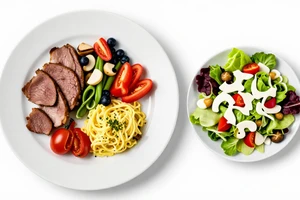
Most of us eat with our eyes first. The size of your plate, bowl, or even your serving utensils creates a powerful visual anchor for what a “normal” meal looks like. Research in environmental psychology consistently shows that we tend to fill the space available. A large plate makes a standard serving look meager, tricking our brain into thinking we need more. Conversely, a well-filled smaller plate sends a signal of abundance, promoting satisfaction with less food.
This isn’t a gimmick—it’s a practical form of what behavioral scientists call “choice architecture.” You’re simply designing your dinner environment to make the healthier choice the easier, more default choice. The goal is satisfaction, not subtraction.
The Five Most Effective Swaps for Your Evening Meal
Focus on these simple changes to your dinnerware and serving style. Implement one at a time, or combine them for a cumulative effect. The key is consistency, not perfection.
1. Trade Your Dinner Plate for a Salad Plate
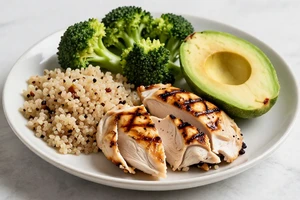
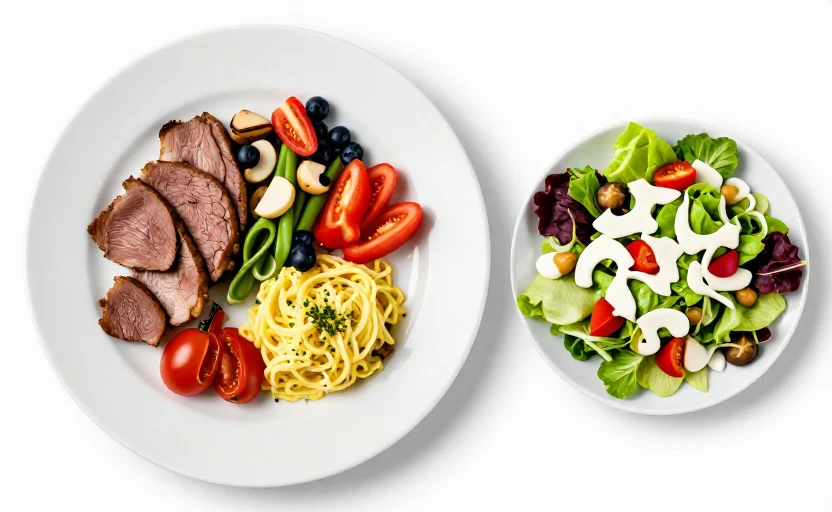
This is the cornerstone swap. Standard dinner plates have grown from about 9 inches in diameter decades ago to 12 inches or more today. A salad or dessert plate, typically 8 to 9 inches, instantly reduces the real estate you feel compelled to fill.
Try this: For one week, serve your main dinner—protein, starch, and vegetables—exclusively on a smaller plate. Notice if you feel just as satisfied at the end of the meal.
You’ll likely find that a smaller, fully-loaded plate provides ample food. If you want seconds of vegetables, that’s always an option, but the visual cue of a “full plate” is already met.
2. Swap Your Wide Pasta Bowl for a Shallow, Rimmed Soup Bowl
Deep, wide bowls are bottomless pits for pasta, rice, cereal, and stews. It’s incredibly easy to over-serve because the depth disguises volume. A shallow, rimmed bowl—often called a pasta or coupe bowl—forces the food to spread out, giving you a true visual of the portion.
You see a full, generous-looking serving rather than a deceptively small mound at the bottom of a cavernous dish. This swap is particularly helpful for calorie-dense foods like pasta, risotto, or curry, where a little can go a long way.
3. Use a Smaller Serving Spoon from the Stovetop
The tools you use to transfer food from pot to plate wield surprising influence. Reaching for a large serving spoon or ladle encourages large, imprecise scoops. Switching to a regular tablespoon (the kind you eat with, not a measuring spoon) creates a natural pause between each portion.
This simple act introduces a moment of mindfulness. It allows you to ask, “Is this one spoonful enough, or do I truly want another?” It turns serving from an automatic action into a series of small, conscious decisions.
4. Serve Family-Style from the Kitchen, Not the Table
The convenience of having serving platters on the dinner table is also a trap. With the food within arm’s reach, second and third helpings require almost no effort, making mindless overeating far more likely.
Portion your plate once in the kitchen, then leave the remaining food on the stovetop or counter. The simple act of having to get up creates a natural break that allows fullness cues to register.
This swap leverages the principle of “out of sight, out of mind.” It doesn’t forbid seconds, but it inserts a deliberate step that helps you check in with your hunger before automatically refilling.
5. Choose a Tall, Thin Glass Over a Short, Wide One
Portion control isn’t just for solid food. What we drink with dinner, especially calorie-containing beverages like juice, wine, or sweetened drinks, adds up. Our brains perceive height more accurately than width. Two glasses can hold the same volume, but the tall, thin one will always look fuller.
By pouring your dinner beverage into a narrower glass, you’re likely to serve yourself less while perceiving the amount as equal or greater. You stay hydrated and enjoy your drink without the extra, often unnoticed, calories.
Making Your New Setup Stick
Lasting change comes from building new habits around these tools. Start by physically rearranging your cupboard. Place your new “dinner plates” (the salad plates) in the most accessible spot. Store the oversized platters on a higher, less convenient shelf. Make the helpful choice the easy choice.
Remember, the objective is to enjoy your food and feel good when you’re done. These swaps aren’t restrictive; they’re supportive. They work quietly in the background, helping you tune into your body’s signals of hunger and fullness, making portion control a natural part of a peaceful, satisfying dinner.
If you find yourself consistently hungry after these adjustments, look at the *composition* of your plate. Ensure you’re including a source of protein, fiber from vegetables, and a complex carbohydrate. These nutrients work together to promote lasting satiety. The right plate helps you manage quantity, while balanced ingredients ensure quality and satisfaction.