If you are working on losing weight, you have probably heard that protein is important. It helps preserve muscle, keeps you full, and supports your metabolism when you are eating fewer calories. But the advice often stops at “eat more protein,” leaving you to wonder exactly how much you should aim for at breakfast, lunch, and dinner.
The truth is that your body can only use so much protein at one sitting for muscle building and satiety. Spreading your intake across the day—rather than loading up at dinner—tends to work better for weight loss. Here is what the research and dietitians generally recommend per meal.
Why Protein Timing Matters for Weight Loss
Protein does more than just build muscle. It has a high thermic effect of food, meaning your body burns more calories digesting it compared to carbs or fat. It also lowers the hunger hormone ghrelin and boosts GLP-1, a hormone that signals fullness.
But if you eat a very small amount of protein at breakfast and lunch, then a huge portion at dinner, you miss out on steady appetite control throughout the day. Your muscles also get a limited signal to repair and grow. Spreading protein evenly helps keep your blood sugar stable and reduces the urge to snack between meals.
The Target Range: What Most People Need Per Meal
For most people aiming for weight loss while preserving muscle, a good target is 25 to 40 grams of protein per meal. This range fits well into a total daily intake of about 1.6 to 2.2 grams per kilogram of body weight, which is often recommended for active people in a calorie deficit.
A simple starting point: aim for roughly 30 grams of protein at breakfast, lunch, and dinner. Adjust up or down based on your body size, activity level, and overall calorie goal.
If you are smaller or less active, 20–25 grams per meal might be enough. Larger individuals or those doing intense exercise may need 35–45 grams. The key is consistency across meals rather than a single large dose.
What 30 Grams of Protein Looks Like in Real Food
You do not need powders or supplements to hit these numbers. Here are practical examples of meals that provide around 30 grams of protein:
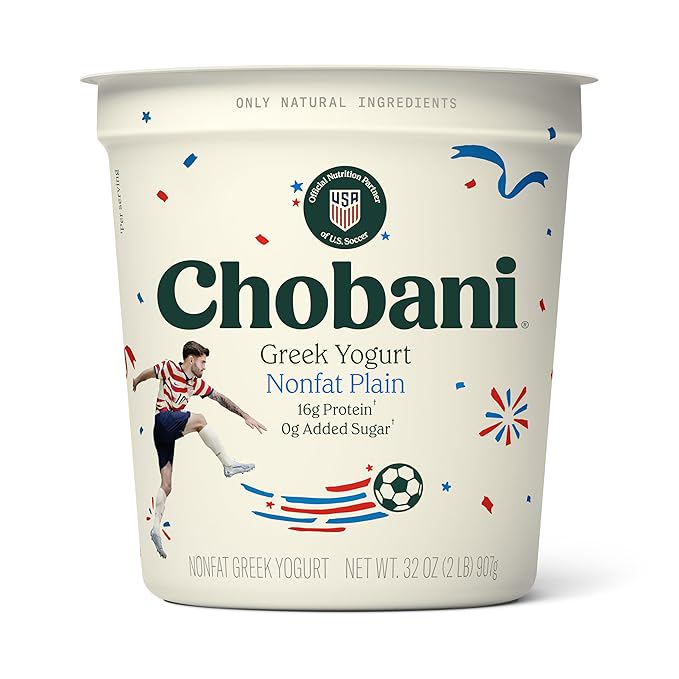
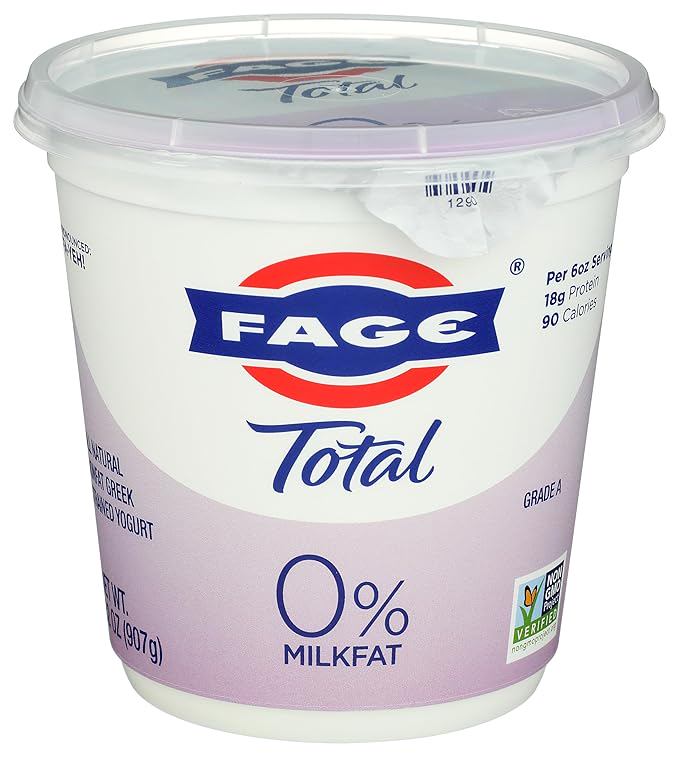
- Breakfast: 3 large eggs (18g) plus ¾ cup Greek yogurt (12g) or 1 cup cottage cheese (28g) on its own.
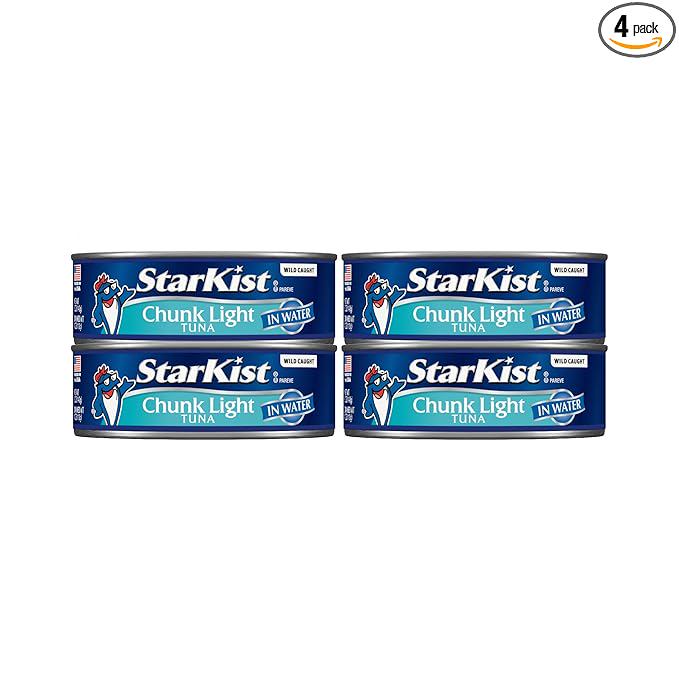
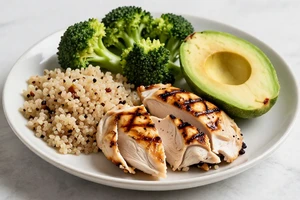
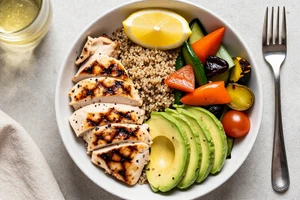
- Lunch: 4 ounces (about the size of your palm) of cooked chicken breast (35g) or canned tuna (30g) on a salad or wrap.
- Dinner: 5 ounces of salmon (30g) or 4 ounces of lean beef (28g) with vegetables and quinoa.
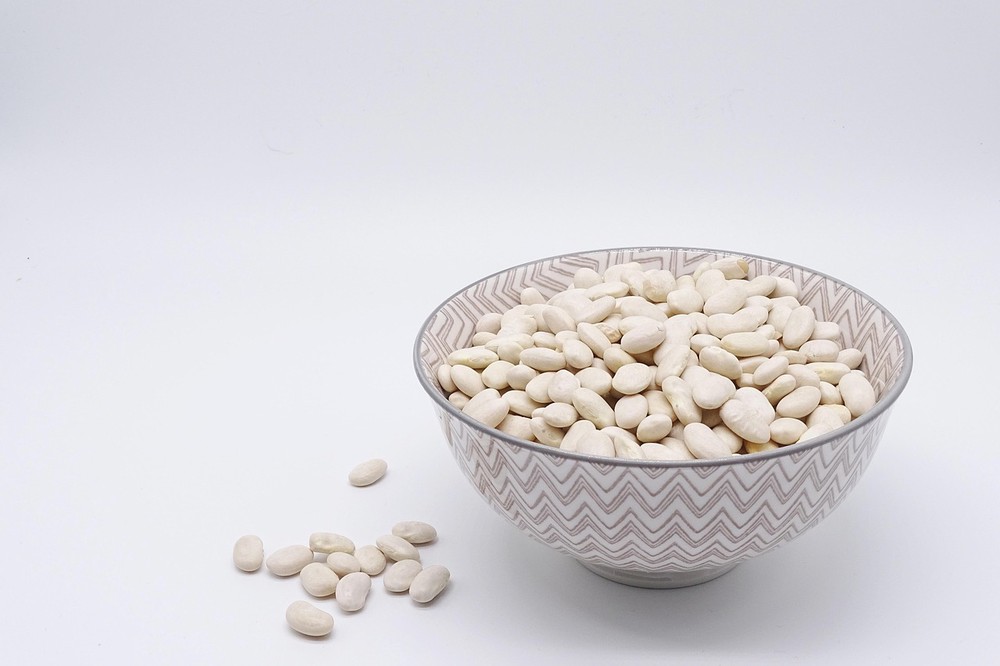
- Plant-based options: 1 cup cooked lentils (18g) plus ½ cup tofu (10g) or a cup of edamame (18g) with whole grains.
Combining plant proteins like beans, rice, nuts, and seeds throughout the day easily adds up without needing meat at every meal.
Is There a Maximum Your Body Can Use Per Meal?
You may have heard that the body can only absorb 20–30 grams of protein at once. That idea comes from older studies on muscle protein synthesis. Newer research suggests that your body can digest and use larger amounts, but the extra protein beyond what your muscles need is mostly oxidized for energy or converted to other compounds—not stored as muscle.
For weight loss, there is no harm in eating 50 grams at dinner occasionally, but it is less efficient for appetite control throughout the day. Spreading your intake is the smarter strategy for steady energy and fullness.
Tips for Fitting Protein Into a Weight-Loss Diet
Here are a few practical ways to hit your protein targets without blowing your calorie budget:
- Start with protein at breakfast. Many people eat carb-heavy breakfasts. Swapping cereal for eggs or yogurt can add 15–20 grams of protein for similar calories.
- Use protein-rich snacks. A hard-boiled egg, a stick of string cheese, or a small handful of almonds can fill gaps between meals.
- Choose lean sources. Skinless poultry, fish, low-fat dairy, legumes, and tofu give you protein without excess saturated fat.
- Don't forget plant options. Beans, lentils, edamame, and seitan are excellent sources that also provide fiber for fullness.
A Sample Day at the 30-Gram-Per-Meal Target
Here is what a simple day might look like, totaling around 90 grams of protein at about 1,500–1,700 calories:
- Breakfast: 2 scrambled eggs with ½ cup black beans and a sprinkle of cheese (~25g protein).
- Lunch: 4-ounce grilled chicken breast over a large salad with chickpeas and vinaigrette (~35g protein).
- Dinner: 4-ounce salmon fillet with roasted broccoli and ½ cup quinoa (~30g protein).
Adjust portions up or down based on your personal calorie needs. The goal is consistency, not perfection.
Frequently Asked Questions
Can I eat too much protein in one meal?
For most healthy people, eating 50–60 grams at a single meal is not harmful. However, the excess calories from any macronutrient can slow weight loss if it pushes you above your daily energy needs. Stick to the 25–40 gram range per meal for the best balance of satiety and calorie control.
Do I need protein powder to reach my goals?
No. Whole foods like eggs, dairy, meat, fish, legumes, and tofu can easily meet your needs. Protein powder is a convenient option for busy days or post-workout meals, but it is not required for weight loss.
How does protein help with belly fat specifically?
Protein does not target belly fat directly—spot reduction is a myth. But a higher-protein diet helps reduce overall body fat by supporting muscle mass and curbing appetite, which can lead to a lower percentage of visceral fat over time as total body fat decreases.
What if I'm vegetarian or vegan?
Plant-based eaters can absolutely hit 25–40 grams per meal by combining foods like lentils, chickpeas, tofu, tempeh, edamame, seitan, and quinoa. Including a variety of protein sources across the day ensures you get all essential amino acids.