You’re doing everything right: eating in a calorie deficit, showing up for your workouts, getting your steps in. Yet the scale barely budges—or worse, you feel flat, tired, and hungry all the time. If that sounds familiar, the culprit might not be willpower. It could be that you aren’t eating enough protein.
Protein does more than build muscle. It keeps your metabolism humming, stabilizes blood sugar, and—critically—tells your brain you’re full. When you’re trying to lose fat, skimping on protein can backfire in subtle ways. Here are six signs that your protein intake might be holding back your fat-loss results, along with what you can do about it.
1. You’re Hungry All the Time
Protein is the most satiating macronutrient. When you eat a meal that’s heavy on carbs or fat but light on protein, your body processes it quickly, and hunger returns within a couple of hours. If you find yourself thinking about food constantly, or if you get ravenous between meals, low protein could be the reason.
A simple fix: Aim to include 20–30 grams of protein at each meal. That doesn’t mean a massive steak at breakfast—scrambled eggs with Greek yogurt, a tofu scramble, or a quality protein shake work just as well.
2. You’re Losing Muscle Along With Fat
When you’re in a calorie deficit, your body breaks down both fat and muscle for energy. Adequate protein, paired with resistance training, tells your body to prioritize fat stores instead of muscle tissue.
If you notice that your clothes fit slightly looser but your arms or legs look less defined, or if your strength numbers at the gym are dropping fast, you may be losing muscle. Over time, that lowers your resting metabolic rate, making it harder to keep weight off.
“Preserving lean mass is the difference between losing weight and losing fat. Protein is the raw material your body needs to protect that muscle.”
3. Your Cravings for Sugar and Carbs Are Intense
A meal that lacks protein often leads to a blood sugar spike followed by a crash. That crash signals a need for quick energy, which the brain interprets as a craving for sugar or refined carbs. If you’re reaching for a cookie or a bag of chips an hour after eating, check your plate—was there enough protein?
Balancing your meals with protein smooths out blood sugar curves and can quiet those intense carb cravings significantly.
4. You Feel Tired, Foggy, or Low on Energy
Protein is involved in neurotransmitter production, including dopamine and norepinephrine, which affect focus and energy. A prolonged protein shortfall can leave you feeling mentally sluggish or physically drained—even if you’re eating enough calories overall.
If you’re dragging through your afternoon workouts or struggling to concentrate by 3 PM, bumping up your protein at breakfast and lunch might help more than another cup of coffee.
5. Your Hair, Skin, and Nails Are Suffering
When protein intake is low, your body prioritizes vital functions over non-essential tissues like hair and nails. Thinning hair, brittle nails that chip easily, or skin that looks dull can be early indicators that you’re not meeting your protein needs.
While there are many causes for these changes, low protein—especially during a calorie deficit—is a common and often overlooked one. Adding a serving of lentils, chicken breast, or cottage cheese to your daily routine may make a noticeable difference within several weeks.
6. You Aren’t Recovering Well From Exercise
Feeling sore for days after a workout? Or noticing that your performance plateaus or declines? Protein provides the amino acids necessary for muscle repair. Without enough, your body struggles to rebuild the micro-tears caused by strength training, leading to prolonged soreness and slower progress.
This is especially important if you’re active. People who exercise regularly generally need more protein than sedentary individuals to support recovery and maintain lean mass during fat loss.
How Much Protein Do You Actually Need?
General guidelines for fat loss often recommend 0.7–1.0 grams of protein per pound of body weight (or roughly 1.6–2.2 grams per kilogram). That’s higher than the standard RDA, which is designed to prevent deficiency, not to optimize body composition.
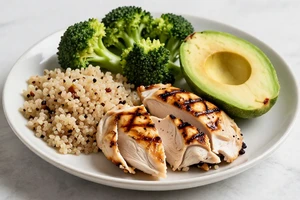
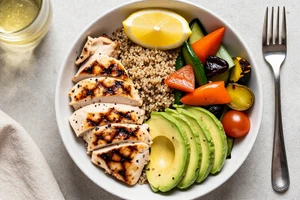
A practical starting point: aim for about 25–30 grams per meal and choose whole-food sources when possible—chicken, fish, eggs, tofu, Greek yogurt, legumes, and quinoa all count. A protein shake or bar can help fill gaps, but shouldn’t replace whole meals.
What About Timing?
Spreading your protein intake across the day seems to work better than eating a huge amount at dinner. This keeps amino acid levels stable and supports muscle protein synthesis throughout the day. If you’re busy, a high-protein snack an hour before or after a workout is an easy win.
Listen to your body. If you’ve been dieting and noticing several of the signs above, a simple protein increase might be the missing piece—no complicated plan required.