When you hear "calorie deficit," does your mind immediately conjure a sad desk salad? You're not alone. The idea of eating less often gets tangled with the feeling of eating boringly. But a healthy, sustainable calorie deficit isn't about deprivation—it's about strategic satisfaction. It's about meals that feel generous, taste deeply good, and keep you full for hours, all while gently nudging your energy balance in the right direction.
The secret lies in building your plate around a powerful trio: lean protein, high-volume vegetables, and smart, flavor-packed fats. This combination slows digestion, stabilizes blood sugar, and maximizes the physical amount of food on your plate for fewer calories. Let's move beyond the lettuce bowl and explore four satisfying meal frameworks that make a calorie deficit feel effortless.
What makes a meal satisfying on fewer calories?
Before we get to the meals, let's understand the principles. Satisfaction isn't just about taste; it's a physical and psychological feeling of fullness and contentment. To achieve that while in a calorie deficit, focus on these elements:
- Protein Power: Foods like chicken breast, fish, tofu, lentils, and Greek digest slowly, trigger satiety hormones, and help preserve muscle mass as you lose weight.
- Fiber and Volume: Non-starchy vegetables—think broccoli, zucchini, bell peppers, spinach, cauliflower—add bulk, water, and fiber. They literally fill your plate and your stomach with minimal calories.
- Mindful Fats: A drizzle of olive oil, a quarter of an avocado, or a sprinkle of nuts adds richness, helps absorb fat-soluble vitamins, and further slows digestion.
- Strategic Flavor: Herbs, spices, citrus, vinegar, garlic, ginger, and chili are your best friends. They add complex, exciting tastes without adding significant calories.
The goal is to feel nourished, not neglected. A meal that leaves you searching the pantry an hour later isn't serving your goals.
1. The Hearty Bowl: A Balanced Foundation
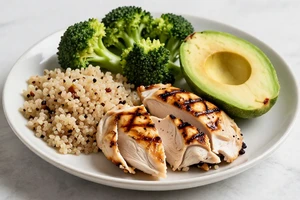
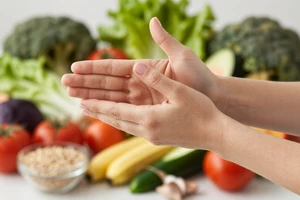
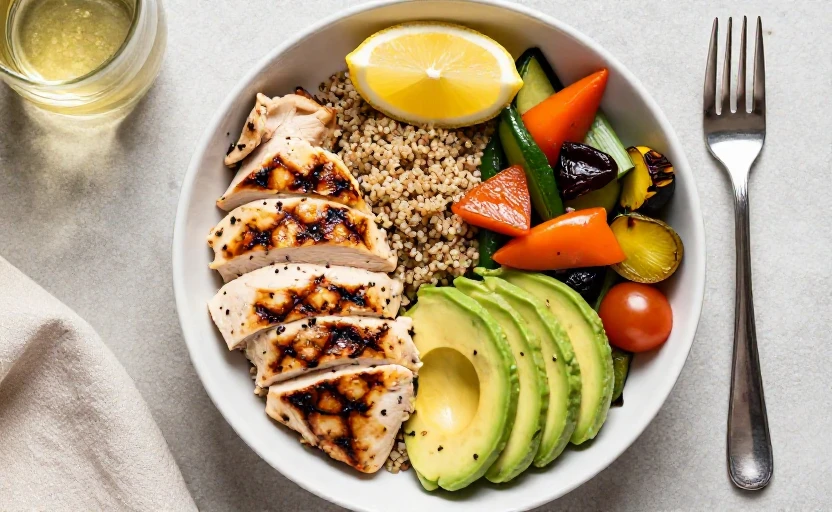
Bowls are the ultimate vehicle for a satisfying, portion-controlled meal. The formula is simple and endlessly customizable. Start with a base of leafy greens or a half-cup of a whole grain like quinoa or brown rice. Then, add a palm-sized portion of your chosen protein—grilled shrimp, shredded chicken, baked tofu, or black beans. Now, pile on the volume: roasted broccoli, shredded cabbage, cherry tomatoes, sautéed mushrooms, and sliced cucumber.
The magic happens with the sauce and garnish. Instead of a heavy, calorie-dense dressing, whisk together Greek yogurt with lemon juice, garlic, and dill. Or blend a tahini-lemon sauce. Top with a tablespoon of seeds or a few avocado slices for healthy fat. This approach creates a meal that’s visually abundant, nutritionally complete, and deeply filling.
Why it works
The variety of textures and temperatures keeps it interesting, while the layered structure ensures you get a bit of everything in each bite. The high vegetable content provides water and fiber, which expand in your stomach, promoting a lasting sense of fullness.
2. The Protein-Packed Stir-Fry
Stir-frying is a quick-cooking method that preserves crunch and nutrients. For a deficit-friendly version, rethink the ratio. Instead of a mound of rice with a few veggies, make vegetables the star. Use a "rainbow" mix: snap peas, bell peppers, onions, bok choy, and water chestnuts for crunch. Add a generous serving of diced chicken breast, lean beef strips, or extra-firm tofu.
The sauce is often where hidden sugars and calories lurk. Make your own with a base of low-sodium broth, fresh ginger, garlic, a splash of tamari or coconut aminos, and a hint of rice vinegar or a squeeze of orange. Use just a teaspoon of oil for cooking, and serve over a small portion of cauliflower rice or a half-cup of brown rice. You'll get all the savory, umami satisfaction of takeout without the post-meal slump.
3. The Comforting, Veggie-Loaded Soup or Stew
There’s a reason soup is so satiating. The broth adds volume and warmth, which can trigger feelings of fullness. A chunky vegetable and bean soup or a lean turkey chili is a perfect deficit meal. Start with a flavorful base of onions, celery, and carrots. Add plenty of low-calorie vegetables like zucchini, green beans, and diced tomatoes. For protein and fiber, include lentils, chickpeas, or lean ground turkey.
Let it simmer to blend the flavors. The key is to keep it broth-heavy rather than cream-based. A bowl of this is hot, hearty, and takes time to eat, allowing your brain to register fullness. Pair it with a small side salad or a single whole-grain roll for a complete meal that feels like a hug in a bowl.
4. The Deconstructed Plate: Protein + Two Sides
Sometimes, simplicity wins. This is the "meat and two veg" approach, modernized. Take a beautifully seasoned, grilled salmon fillet or a juicy chicken thigh (skin removed). Place it on a plate next to two substantial vegetable sides. Not just a spoonful—make them generous.
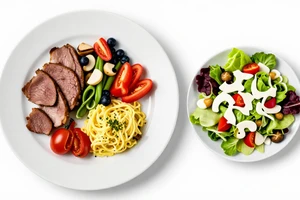
One side could be a large portion of roasted Brussels sprouts or asparagus. The other could be a vibrant, vinegar-based slaw or a big heap of steamed green beans tossed with almonds. This plate is straightforward, emphasizes whole foods, and makes it easy to visualize your balanced portions. The absence of a heavy starch centerpiece naturally lowers the calorie density while keeping protein and fiber high.
Building Your Flavor Toolkit
Satisfaction is inextricably linked to taste. Stock your pantry with flavor agents that add zero or minimal calories: smoked paprika, cumin, chili flakes, fresh herbs (parsley, cilantro, basil), garlic powder, onion powder, mustard, capers, lemons, limes, and various vinegars (balsamic, apple cider, red wine). A squeeze of citrus or a dash of a flavorful spice blend can transform simple ingredients into something special.
Remember, drinking water throughout the day and especially with your meal also aids fullness. Sometimes thirst masquerades as hunger. A calorie deficit should be a gentle, sustainable shift, not a battle. By focusing on these satisfying, nutrient-dense meal frameworks, you nourish your body, please your palate, and support your goals simultaneously. It’s not about eating less food; it’s about eating more of the right foods.