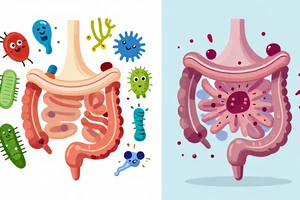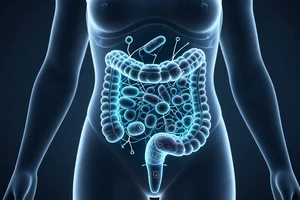
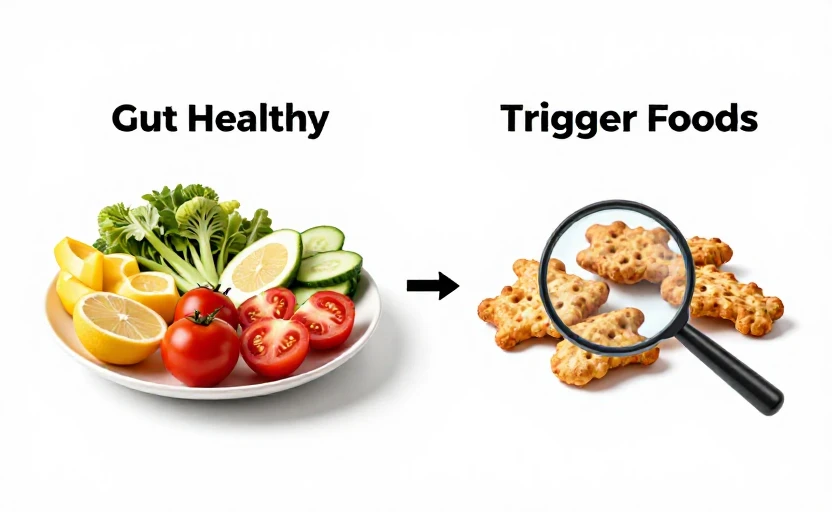
You know the feeling—a meal leaves you feeling bloated, gassy, or just off. While occasional digestive discomfort is normal, persistent issues often point to an imbalance in your gut microbiome, the complex community of bacteria living in your digestive tract. Nutritionists observe that certain foods, while perfectly healthy for some, can act as triggers that disrupt this delicate ecosystem for others, leading to symptoms like inflammation, irregularity, and fatigue.
Identifying your personal triggers is less about labeling foods as universally “good” or “bad,” and more about understanding how they interact with your unique gut environment. The goal isn't lifelong elimination, but informed awareness. By recognizing the most common dietary culprits, you can begin a process of observation and adjustment, paving the way for a calmer, more resilient digestive system.
What does a gut imbalance feel like?
Before diving into triggers, it helps to recognize the signs. Gut imbalance, sometimes referred to as dysbiosis, occurs when the beneficial and harmful bacteria in your intestines fall out of harmony. This can manifest in ways that extend beyond your stomach. Common signals include persistent bloating, excessive gas, constipation or diarrhea, heartburn, and unexplained fatigue. Some people also experience “brain fog,” skin irritations like eczema, or shifts in mood, highlighting the profound gut-brain connection.
Think of your gut microbiome as a garden. The goal is to cultivate a diverse, thriving ecosystem, not to wage war on every weed.
The most common dietary triggers
Nutritionists point to several categories of foods that frequently challenge gut balance. Sensitivity is highly individual; you may react to one, several, or none of these. The key is the pattern of your symptoms.
Highly processed foods and additives
This category is often public enemy number one for gut health. Ultra-processed foods—think packaged snacks, sugary cereals, and ready-made meals—are typically low in the fiber that gut bacteria thrive on and high in ingredients that can cause inflammation. Emulsifiers like polysorbate 80 and carrageenan, common in ice creams and some dairy alternatives, may disrupt the protective mucus lining of the gut. Artificial sweeteners such as aspartame, sucralose, and saccharin are not fully absorbed and can alter the composition of gut bacteria, potentially leading to glucose intolerance in some individuals.
Refined sugars and high-FODMAP foods
Refined sugars (like those in soda, candy, and many baked goods) can feed less desirable bacteria and yeast in the gut, allowing them to proliferate and crowd out beneficial strains. This can lead to increased gas and bloating.
Separately, a group of fermentable carbohydrates known as FODMAPs (Fermentable Oligosaccharides, Disaccharides, Monosaccharides, and Polyols) can be difficult for some people to absorb. They draw water into the intestine and are rapidly fermented by gut bacteria, producing gas. Common high-FODMAP triggers include:
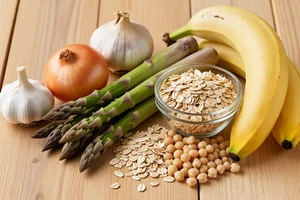
- Fructans: Found in wheat, onions, garlic, and some prebiotic supplements.
- Lactose: The sugar in dairy products like milk, soft cheeses, and yogurt.
- Fructose: In excess of glucose, found in honey, agave, apples, and mangoes.
- Galacto-oligosaccharides (GOS): Present in legumes like beans, lentils, and chickpeas.
- Polyols: Sugar alcohols like sorbitol and mannitol, found in some stone fruits (peaches, plums) and sugar-free products.
A low-FODMAP diet is a diagnostic tool, not a permanent solution, best undertaken with guidance.
Industrial seed oils and fried foods
Oils high in omega-6 fatty acids, such as soybean, corn, and sunflower oil, are prevalent in fried foods and many processed items. While we need some omega-6s, an excessive intake compared to anti-inflammatory omega-3s (found in fish, flaxseeds, walnuts) can promote a state of systemic inflammation, which directly impacts the gut lining and the microbes that live there.
Conventional dairy and gluten-containing grains
For those with sensitivities, these can be significant triggers. Lactose intolerance, due to a deficiency of the lactase enzyme, is a common cause of digestive distress from dairy. Others may react to the proteins in dairy (casein or whey). Similarly, gluten—a protein in wheat, barley, and rye—can trigger inflammation and digestive issues not only in those with celiac disease but also in individuals with non-celiac gluten sensitivity. The issue may sometimes be the fructans in wheat, rather than the gluten itself.
How to identify your personal triggers
Armed with this knowledge, the next step is personal discovery. Nutritionists strongly advise against blindly cutting out multiple food groups. A more systematic approach yields better, safer results.
Start by keeping a detailed food and symptom journal for at least two weeks. Note everything you eat and drink, along with the timing and nature of any digestive symptoms, energy dips, or other issues. Look for patterns.
If you suspect a specific trigger, consider a short-term elimination trial. Remove one suspected food or category (like dairy or added sugars) for 3-4 weeks, monitoring how you feel. Then, reintroduce it carefully, noting any return of symptoms. This clear cause-and-effect evidence is invaluable.
Elimination diets are for investigation, not permanence. Always reintroduce foods to test your tolerance.
For complex cases, like suspected issues with multiple FODMAP groups, working with a registered dietitian or nutritionist is highly recommended. They can ensure you eliminate foods safely without nutrient deficiencies and guide you through a structured reintroduction phase.
Nourishing a balanced gut
While identifying triggers is crucial, what you add to your diet is just as important as what you might temporarily remove. Focus on building a foundation that supports microbial diversity and gut lining integrity.
Prioritize a wide variety of fiber-rich plants: vegetables, fruits, whole grains, nuts, seeds, and legumes. Fiber is the preferred fuel for your beneficial gut bacteria. Include fermented foods like plain yogurt, kefir, sauerkraut, kimchi, and kombucha, which contain live cultures. Don't forget polyphenol-rich foods like berries, dark leafy greens, and dark chocolate, which act as antioxidants and can positively influence gut bacteria.
Staying well-hydrated, managing stress, and getting regular physical activity are also foundational pillars of gut health that work in tandem with your dietary choices.
Remember, the journey to gut balance is individual and iterative. It’s about cultivating awareness and building a sustainable, diverse diet that makes you feel consistently well. By understanding common triggers and adopting a mindful, investigative approach, you empower yourself to make choices that support lasting digestive harmony.