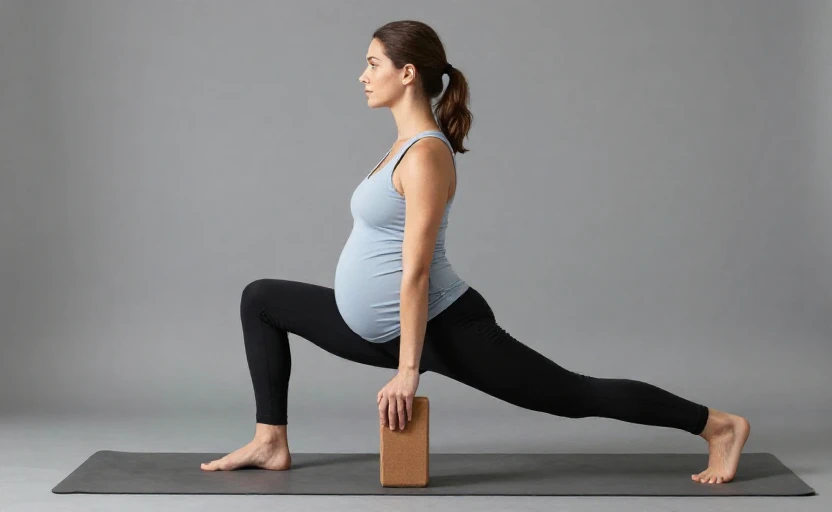
Prenatal yoga is a beautiful way to connect with your changing body and nurture your growing baby. The gentle stretches and mindful breathing can ease common discomforts and build strength for the journey ahead. Yet, within this supportive practice, a subtle, common misalignment can quietly introduce strain to one of the most crucial areas for pregnancy and birth: the pelvic floor.
This isn't about dramatic, obvious errors. It's a habitual pattern many of us carry, often encouraged by general fitness culture, that becomes problematic under the weight and hormonal shifts of pregnancy. Recognizing and correcting this one point of alignment can transform your practice from potentially stressful to profoundly supportive.
What is the pelvic floor and why does it matter in pregnancy?
Think of your pelvic floor not as a single muscle, but as a sophisticated, hammock-like web of muscles and connective tissue. It stretches from your pubic bone to your tailbone, supporting your bladder, uterus, and rectum. During pregnancy, this structure bears the increasing weight of your baby and uterus, while the hormone relaxin loosens ligaments and joints throughout your body to prepare for birth.
A healthy, resilient pelvic floor provides essential support, aids in circulation, and contributes to core stability. An overstressed or weakened one can lead to concerns like urinary incontinence, pelvic pressure or pain, and may impact recovery postpartum. The goal of prenatal yoga should be to nurture its tone and elasticity, not challenge it with unnecessary strain.
The common mistake: bearing down instead of lifting up
Here is the core of the issue. In many yoga poses, especially standing postures like Warrior II (Virabhadrasana II) or Triangle Pose (Trikonasana), there's a natural tendency to sink heavily into the hips and pelvis. You might hear a cue like "sink your hips low" or feel you should create a deep stretch in the inner thighs and groin.
When this sinking happens without engagement, it often creates a downward pressure, or bearing down, onto the pelvic floor. You may feel a bulging or heavy sensation in the perineum. This is the pelvic floor being stretched and loaded passively, rather than being actively integrated and supported. It's the postural equivalent of sitting all your weight on a sling rather than gently lifting the sling to meet you.
The sensation you're aiming for is one of light, upward support from the pelvic floor, not a downward push or stretch.
How to identify the strain in your practice
It often shows up subtly. In a wide-legged stance, notice if your lower belly protrudes forward and feels unsupported. Do you feel a pinching or intense pressure in the front of your hips or deep in the groin? Is there a sensation of "falling through" the floor of your pelvis rather than being buoyant? These can be signs that you're compressing rather than engaging.
Correcting the alignment: engagement over compression
The correction is less about doing something new and more about refining your awareness. It involves a slight, gentle engagement of your deep core system to create a supportive lift for your pelvis.
- Find your foundation first: In any standing pose, ground through your feet. Feel the connection of all four corners of each foot to the mat. This stable base is non-negotiable.
- Initiate from your legs: Gently engage your thigh muscles, drawing energy up your legs. Imagine spiraling your inner thighs slightly back and apart. This action creates space in the pelvis and prevents the knees from collapsing inward.
- The key micro-adjustment: From this stable base, think of drawing your pelvic floor muscles gently upward and inward, as if you were lightly lifting a small elevator one floor. This is not a forceful Kegel squeeze, but a subtle, sustained engagement that connects to your lower abdominal muscles. Visualize your sit bones drawing slightly toward one another.
- Maintain length in your torso: As you create this supportive lift, ensure your spine stays long. Avoid overarching your lower back or tucking your tailbone under. The goal is a neutral pelvis where the pubic bone and front hip bones feel level.
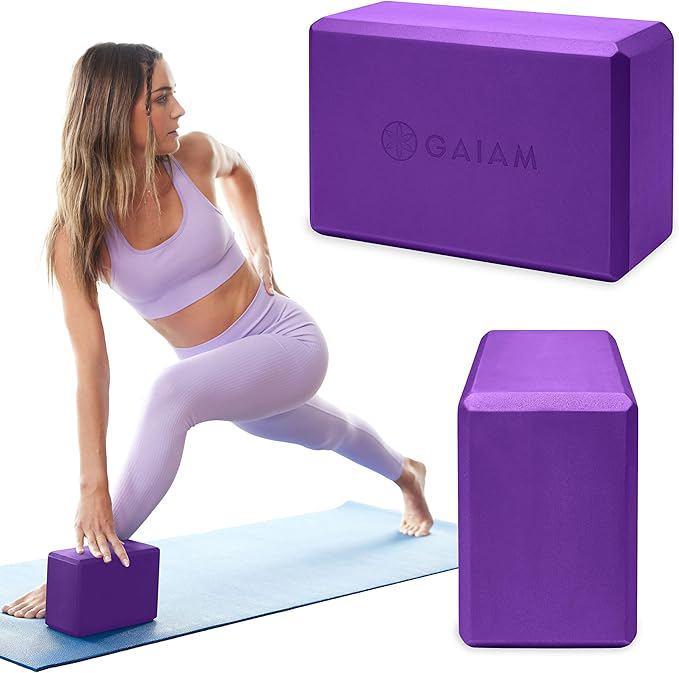
In poses like Malasana (a deep squat often used in prenatal yoga), this principle is vital. Instead of collapsing your full weight down, use the support of your arms, a block under your seat, or the wall behind you to maintain that sense of lift and space in the pelvic bowl.
Poses that require extra mindfulness
While this principle applies to your entire practice, some poses warrant particular attention.
Deep Hip Openers: Poses like Pigeon or Figure-Four stretch can encourage a collapse into the front hip. Use ample props—blankets, blocks—to bring the floor up to you, preventing the sensation of "hanging" in your ligaments and pelvic floor.
Wide-Legged Forward Folds: In poses like Prasarita Padottanasana, the tendency is to sink into the hips and round the spine. Keep a micro-bend in your knees, engage your thighs, and focus on lengthening your torso forward from the hip creases, not from collapsing your pelvis.
Any Pose with a Sensation of Pressure: This is your body's best guide. If you feel bearing down, pressure, or bulging, it's a direct signal to ease out of the depth of the pose, use more support from props, and re-establish that sense of integrated lift.
Breathing with your pelvic floor
Your breath is the ultimate tool for coordination. Practice this simple connection while seated or lying down: as you inhale, imagine allowing your pelvic floor to gently expand and descend slightly. As you exhale, feel it naturally recoil and lift back up. This harmonious movement promotes elasticity. In your active poses, aim to maintain that gentle, supportive engagement on the exhale without losing it completely on the inhale.
Remember, prenatal yoga is not about achieving the deepest expression of a pose. It's about intelligent, adaptive movement that prepares your body. By shifting your focus from sinking to supportive engagement, you protect your pelvic floor, build functional strength, and create a practice that truly holds you and your baby through each trimester.



![Tumaz Yoga Strap/Stretch Bands [15+ Colors, 6/8/10 Feet Options] with Extra Safe Adjustable D-Ring Buckle, Durable and Comfy Delicate Texture - Best for Daily Stretching, Physical Therapy, Fitness](https://www.glowtheorylab.com/uploads/ad202604/d62cf3b7330d7d4a.webp)