For many, evening yoga is a sacred ritual—a way to unwind, stretch out the day’s tension, and prepare the body and mind for rest. It’s a beautiful intention. Yet, sometimes, the very practice meant to usher in calm can instead leave you feeling oddly alert, restless, or even wired when your head hits the pillow. The culprit is often a single, subtle mistake woven into the routine, one that overrides relaxation with unintended activation.
This mistake isn't about doing the poses wrong. It’s about the type of nervous system response you’re cultivating and the physiological signals you’re sending your body in the precious hours before bed. Understanding this distinction can transform your evening practice from a potential sleep disruptor into a powerful, reliable tool for deep recovery.
The Core Mistake: Stimulating Instead of Sootheing
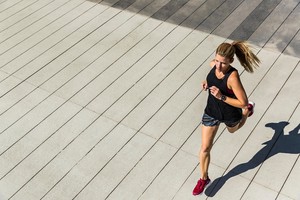
The routine error that backfires is approaching an evening session with the same energetic intensity as a morning practice. When we focus on vigorous flows, challenging balances, or deep backbends in the evening, we risk stimulating the sympathetic nervous system—the body’s “fight, flight, or freeze” response. This system increases heart rate, blood pressure, and cortisol, priming the body for action, not rest.
Evening yoga should be a bridge to sleep, not a barrier. The goal is to transition the nervous system from “doing” to “being.”
While a morning Sun Salutation might feel invigorating, that same sequence at 9 PM can send conflicting signals to your brain. The body interprets physical exertion and cardiovascular engagement as a need to stay awake and alert. This can delay the natural release of melatonin, the sleep hormone, and make it difficult to wind down.
Poses and Practices to Approach with Caution
Not all yoga is created equal when the sun goes down. It’s helpful to know which elements of your practice might be stealthily working against your sleep goals.
Vigorous Vinyasa or Power Flows: These continuous, breath-synchronized movements build internal heat and cardiovascular demand. They are fantastic for energy but are essentially a workout, which is best scheduled earlier in the day.
Deep Backbends: Poses like Wheel, Camel, or even intense Cobra can be incredibly energizing and stimulating for the central nervous system. They open the front body and chest, which can feel emotionally uplifting and physically activating—the opposite of the inward, calming sensation needed for sleep.
Complex Arm Balances & Inversions: Poses like Crow or Headstand require significant focus, core engagement, and a bit of adrenaline. They challenge the mind and body in a way that promotes alertness, not drowsiness.
Forced or Strained Breathing: Any practice that emphasizes strong, audible Ujjayi breath or rapid Kapalabhati (skull-shining breath) is designed to energize and cleanse. In the evening, this can feel like a shot of espresso for your nervous system.
Crafting a Sleep-Supportive Evening Practice
The antidote is to intentionally design a practice that engages the parasympathetic nervous system—the “rest and digest” counterpart. This is about gentle encouragement, not forceful change.
Focus on forward folds, gentle twists, and supported restorative poses. These shapes promote a sense of safety and inward focus. They gently massage the internal organs, calm the mind, and signal to the body that it is safe to let go.
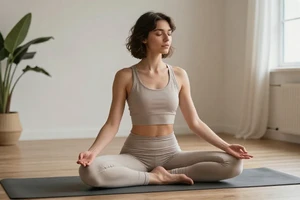
- Start with a Slow Grounding: Begin seated or lying down. Spend five minutes simply observing your natural breath, without changing it. Let the exhalations grow gradually longer.
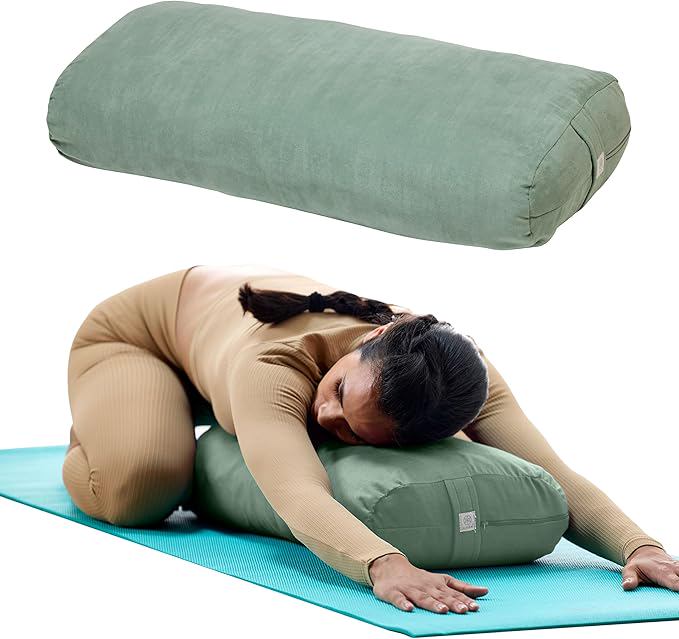
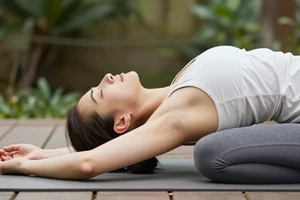
- Embrace Supported Poses: Use props generously. A bolster under your knees in Savasana, pillows in a supported Child’s Pose, or a folded blanket under your head in a seated forward fold can make all the difference. The support allows muscles to fully release without strain.
- Prioritize Longer Holds: Move away from flowing and into stillness. Hold gentle poses for 2-5 minutes each. This extended time allows the nervous system to settle and the mind to quiet.
- End with Extended Savasana: Don’t shortchange final relaxation. Dedicate at least 5-10 minutes to Corpse Pose, fully supported and covered with a blanket if cool. This is where the integration and deepest calming occurs.
Ideal Evening Sequence Ideas
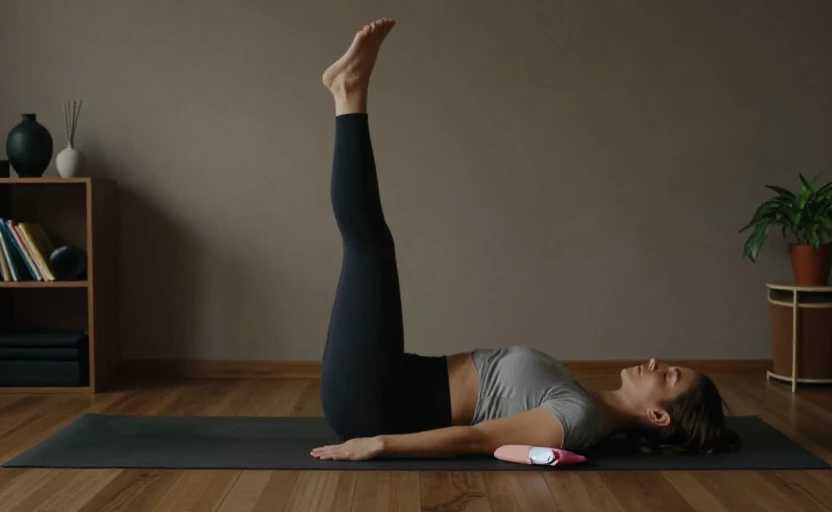
A simple, effective wind-down might include: Legs-Up-the-Wall (Viparita Karani), Supported Reclining Bound Angle Pose (Supta Baddha Konasana) with a bolster, a gentle Seated Forward Fold (Paschimottanasana) with a strap, and a side-lying twist before moving into Savasana.
The key is to listen. If a pose feels energizing, it might be best to skip it in the evening. If it brings a sigh of relief, a feeling of heaviness, or mental quiet, you’re on the right track.
Timing and Environment Matter
Your practice environment reinforces the signal. A bright, cluttered space with loud music works against you. Dim the lights, perhaps use soft lamp light or candles. Keep the room slightly cool, as the body sleeps better in cooler temperatures. Silence or very soft, ambient music can help.
Timing is also crucial. Finishing your practice at least 30-60 minutes before you intend to sleep allows the relaxed state to settle in without the abrupt transition from mat to bed. Use that buffer time for a calming activity like reading (not a screen) or sipping a caffeine-free tea.
By mindfully avoiding the mistake of stimulation and instead curating a practice of true restoration, you align your evening yoga with your body’s natural rhythm for sleep and recovery. It becomes less about performance and more about nourishment—a gift of deep rest that supports every aspect of your well-being.