
Waking up with a puffy face, swollen fingers, or a tight feeling around your midsection is frustrating — especially when you’ve been trying to eat well and stay hydrated. If this morning bloating has become a regular pattern, it might not be random water retention. It could be a clear signal that your sodium levels are out of balance.
Sodium is essential for nerve function, muscle contraction, and fluid balance. But when the ratio of sodium to water in your body tips too far in either direction, your cells respond by holding or releasing fluid. That often shows up first thing in the morning, because your body has been overnight without intake or output. Understanding why this happens — and what to do about it — can help you feel lighter, more energetic, and more in control of your health.
Why Morning Bloating Happens When Sodium Is Off
Your kidneys work constantly to maintain a precise balance of sodium and water. When you consume more sodium than your body needs, your kidneys retain water to dilute it. That extra fluid has to go somewhere, and it often settles in your face, hands, feet, and abdomen. Morning bloating is common because your body has been in a fasting state for hours, and if you ate a salty dinner or snack the night before, the fluid shift becomes most noticeable when you wake up.
On the flip side, drinking too much plain water without enough electrolytes can also trigger bloating. Overhydration dilutes sodium in your blood, causing your cells to swell as water rushes in to equalize the concentration. This is why athletes and people who drink large amounts of water throughout the day can still experience puffiness — it’s not just about how much water you drink, but whether your electrolyte levels are keeping up. A top nutritionist we spoke with calls this one of the biggest hidden disasters for health-conscious people.
Is Your Healthy Routine Backfiring?
It’s possible to be doing everything “right” and still feel off. Many people who focus on clean eating, daily workouts, and loading up on supplements don’t realize that overdoing healthy habits can create its own set of problems. That morning bloat, along with fatigue, brain fog, and skin issues, could be rooted in electrolyte disruption — and the culprit may be something you’d never suspect, like overhydration or extreme dietary restrictions.
Here are a few common ways that well-meaning habits can throw your sodium balance out of whack:
- Drinking excessive water — Guzzling water all day without replenishing electrolytes can dilute sodium levels and lead to hyponatremia, which causes bloating, headaches, and fatigue.
- Skipping salt entirely — Low-sodium diets can be just as problematic as high-sodium ones if you lose electrolytes through sweat or have certain health conditions.
- Overusing supplements — Relying on multiple vitamin and mineral supplements without checking your actual nutrient needs can disrupt your body’s natural balance, including electrolyte regulation.
- Fat-free or ultra-restrictive diets — Eliminating healthy fats and most food groups often means you’re also cutting out sources of minerals like potassium and magnesium that help regulate sodium.
How to Tell If Sodium Is the Real Issue
Before you change your diet or water intake, it helps to look for patterns. Morning bloating that fades as the day goes on is a classic sign of fluid retention. If it’s accompanied by puffiness in your hands and feet, headaches, or a feeling of thirst that doesn’t go away, your sodium and water balance is likely off. You might also notice that salty restaurant meals or processed snacks make the bloat worse the next morning.
If you’re someone who exercises heavily or sweats a lot, you may need more sodium — not less. Athletes and people in hot climates often lose significant amounts of salt through sweat, and replacing that loss is essential to avoid bloating, cramping, and fatigue. The goal isn’t to cut sodium completely; it’s to match your intake to your body’s actual needs.
Simple Steps to Restore Balance Without Overcorrecting
Getting your sodium and fluid levels back on track doesn’t require a complicated protocol. Small, consistent adjustments often make the biggest difference.
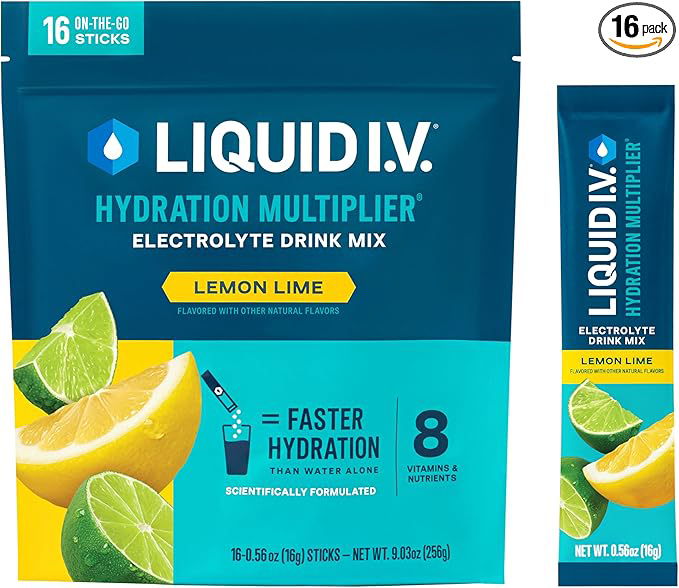
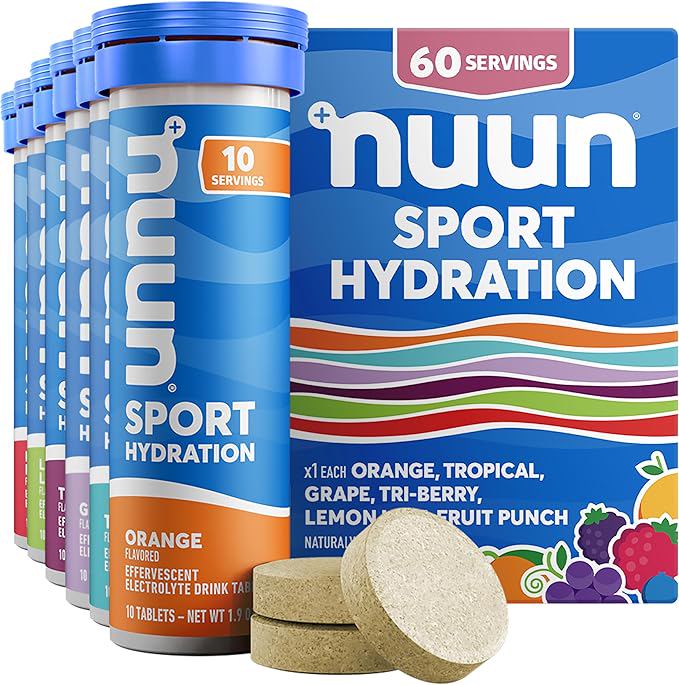
- Drink water according to your thirst, not a fixed number of glasses. Thirst is a reliable guide for most people. If you’re active, add a pinch of high-quality salt or an electrolyte powder to your water.
- Include mineral-rich foods in your diet: leafy greens, avocados, nuts, seeds, and bone broth all provide potassium and magnesium that help your body manage sodium effectively.
- Be mindful of hidden sodium in packaged foods — breads, sauces, deli meats, and even some “healthy” snacks can pack more salt than you realize.
- Give your body time to adjust. If you’ve been on a very low-sodium or very high-sodium diet for a while, changes won’t happen overnight. Focus on consistency rather than quick fixes.
Bottom line: That puffy feeling in the morning isn’t something you have to live with. It’s often your body’s way of telling you that your sodium and water balance needs a gentle reset — not a drastic overhaul.