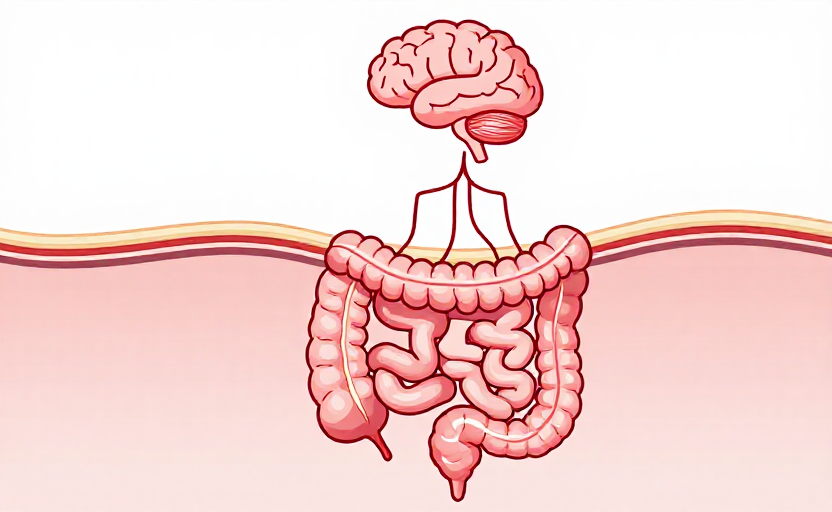
You’ve likely felt it before—a knot in your stomach before a big presentation, or butterflies during a stressful conversation. That sensation is more than just a metaphor; it’s a direct line of communication between your brain and your digestive system. When stress becomes chronic, this connection can contribute to a condition often called 'leaky gut,' where the intestinal lining becomes more permeable than it should be.
Understanding this link isn't about adding another worry to your plate. Instead, it's about recognizing a key piece of the gut-health puzzle. By looking at lifestyle factors within your control, you can create a supportive environment for your digestive well-being, even when life feels demanding.
What Does 'Leaky Gut' Actually Mean?
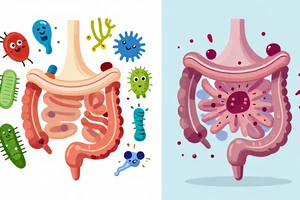
In medical terms, you might hear 'leaky gut' referred to as increased intestinal permeability. Think of the lining of your intestines as a sophisticated, selective barrier. Its job is to absorb vital nutrients and water while keeping out undigested food particles, bacteria, and toxins. This barrier is held together by tight junctions, which are like the seals between the cells.
When this system is functioning well, it's a precise gatekeeper. However, various factors, including significant or prolonged stress, can cause these tight junctions to loosen. This allows substances that should stay in the gut to pass into the bloodstream, potentially triggering an immune response and inflammation.
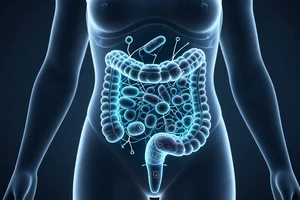
Your gut and brain are in constant conversation via the gut-brain axis. Chronic stress can disrupt this dialogue, sending signals that weaken your gut's defensive barrier.
How Stress Triggers the Chain Reaction
Stress isn't just a feeling—it's a full-body physiological event. When your brain perceives a threat, it activates the hypothalamic-pituitary-adrenal (HPA) axis, leading to the release of stress hormones like cortisol. In short bursts, this is adaptive. Over the long term, elevated cortisol can directly affect your gut.
Cortisol can alter the composition of your gut microbiota, the community of bacteria essential for health. It can also reduce the production of protective mucus in the gut and decrease the regeneration of the cells that line it. Furthermore, stress activates the body's inflammatory pathways. Since the gut lining is already a site of immune activity, this added inflammation can further compromise the integrity of those crucial tight junctions.
It creates a challenging cycle: stress contributes to gut permeability, and the resulting inflammation and discomfort can, in turn, feed back to the brain, creating more feelings of stress and anxiety.
Lifestyle Factors You Can Influence
While you can't eliminate all stress, you can build resilience and directly support your gut through daily habits. The goal is to dampen the stress response and nourish the gut environment.
Mindful Movement Over Intense Exercise
When stressed, pushing through intense workouts can sometimes add to the body's cortisol load. Gentle, mindful movement is often more restorative for the gut-brain axis. Activities like walking in nature, yoga, tai chi, or stretching can lower stress hormones, stimulate healthy digestion, and improve circulation without overtaxing your system.
The Rhythm of Eating
How you eat can be as important as what you eat when managing stress and gut health. Rushed meals eaten at your desk signal 'stress' to your nervous system, shifting it away from the 'rest and digest' mode needed for optimal digestion.
- Prioritize regularity: Try to eat meals at consistent times to help regulate your body's circadian rhythms.
- Create a pause: Take three deep breaths before you start eating to transition your nervous system.
- Chew thoroughly: This simple act is the first critical step of digestion and reduces the workload on your gut.
Prioritizing Sleep for Repair
Sleep is when your body conducts most of its repair work, including the regeneration of the gut lining. Chronic sleep deprivation raises cortisol and is linked to negative shifts in gut bacteria. Focus on sleep hygiene: a cool, dark room, a consistent bedtime, and avoiding screens for at least an hour before sleep can make a substantial difference.
Nourishing Connections
Social isolation is a potent stressor. Positive social connection triggers the release of oxytocin, a hormone that can buffer the effects of cortisol. Whether it's a phone call with a friend, sharing a meal, or participating in a community group, nurturing relationships is a profound form of gut support.
Building a Gut-Supportive Plate
Alongside managing stress, the foods you choose provide the raw materials to maintain and repair the gut lining. Aim for a diverse, colorful diet rich in plants.
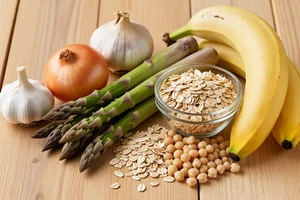
Focus on fiber diversity: Different fibers feed different beneficial gut bacteria. Include a variety of sources like oats, apples, lentils, flaxseeds, and a rainbow of vegetables. These bacteria produce short-chain fatty acids, like butyrate, which are the primary fuel for the cells of your colon and help strengthen the gut barrier.
Include fermented foods: Foods like plain yogurt, kefir, sauerkraut, kimchi, and kombucha introduce beneficial probiotics to your gut ecosystem. Think of them as adding diverse, helpful residents to your internal community.
Be mindful of potential irritants: For some individuals, during periods of high stress and gut sensitivity, common irritants like excessive alcohol, highly processed foods, and added sugars may be more likely to exacerbate symptoms. Paying attention to your body's unique responses is key.
Food is information for your gut. A diverse, fiber-rich diet tells your microbiome to produce compounds that calm inflammation and repair the lining.
Remember, the connection between stress and your gut is a two-way street. By taking steps to manage your stress response through lifestyle, you are directly sending a message of safety and support to your digestive system. It’s a gradual process of building habits that foster resilience, not a race to a perfect fix. Listening to your body and making consistent, gentle choices is the most powerful approach you can take.