If you’ve been living with a foggy, bone-tired exhaustion that sleep doesn’t fix, and you’ve also noticed that certain meals seem to make you feel worse, you’re not imagining things. The connection between what you eat and how much energy you have is real, and for many people, it runs deeper than a simple sluggish afternoon. Chronic fatigue and food intolerances often travel together, but the link is easy to miss. Here’s what’s actually happening inside your body, and how you can start connecting the dots.
What food intolerance does to your energy reserves
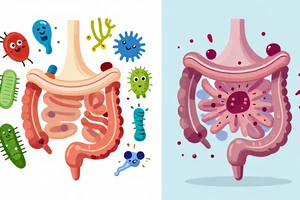
Food intolerances are not the same as allergies. When you have an intolerance, your digestive system struggles to break down a certain food component—common triggers include lactose, gluten, fructose, and specific fermentable carbohydrates (the group known as FODMAPs). Because the food isn’t properly processed, it lingers in your gut and ferments, which leads to bloating, gas, and inflammation.
That inflammation is the real energy thief. When your immune system is triggered on a low-grade, ongoing basis, it releases signaling molecules called cytokines. These cytokines are the same ones that make you feel sluggish when you have a cold. In the case of a food intolerance, the reaction is less dramatic but continuous, which can drain your body’s resources day after day. The result is a persistent fatigue that doesn’t improve with rest.
Why standard medical tests often miss the connection
One reason this hidden link goes undiagnosed is that food intolerances rarely show up on standard allergy panels or blood work. If your doctor runs a basic fatigue panel—checking thyroid, iron, and vitamin B12 levels—those results can come back normal, even as your gut is quietly struggling. This leaves you in a frustrating gray area. You feel awful, the tests look fine, and the conversation stalls.
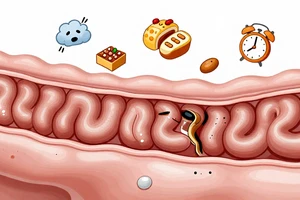
Furthermore, the effects of an intolerance are not immediate. Unlike an allergy that can cause hives or trouble breathing within minutes, an intolerance can take anywhere from 30 minutes to 48 hours to produce symptoms. This delayed response makes it nearly impossible to figure out the trigger on your own. You might eat a food on Monday, feel wiped out by Wednesday, and have no reason to connect the two.
The fatigue-gut inflammation cycle
To understand how deep this goes, it helps to look at the gut-brain axis, the two-way communication system between your digestive tract and your central nervous system. When your gut is inflamed due to an undigested food particle, it sends stress signals to your brain. That signal tells your body it is under attack, which shifts your metabolic resources toward defense and away from normal repair and energy production.
This cycle is self-reinforcing. Fatigue makes you more likely to reach for quick energy sources like sugar or caffeine, which can further irritate a sensitive gut. You may also lose appetite for nutrient-dense foods because your digestion feels heavy, which leads to vitamin and mineral deficiencies that worsen the exhaustion. Over time, the body can become stuck in a state of low-grade inflammation that perpetuates both gut discomfort and fatigue.
A practical first step: pay attention to how you feel two to three days after a meal, not just a few hours later.
Common culprits to examine first
While any food can theoretically trigger an intolerance in an individual, the most common offenders are well-documented. Dairy, because many adults lose the enzyme lactase needed to break down milk sugar. Gluten, even in people without celiac disease, can cause gut permeability and subtle immune activation. High-FODMAP foods—such as onions, garlic, wheat, beans, and certain fruits—can ferment rapidly in the gut and cause significant bloating and fatigue in sensitive individuals.
Some people also react to food additives, such as artificial sweeteners, preservatives, or emulsifiers. These substances are not recognized by the gut lining in the same way whole foods are, and they can interfere with the balance of gut bacteria. When your microbiome is disrupted, it produces fewer short-chain fatty acids and energy-related nutrients, which directly impacts your stamina.
How to untangle the link safely and sustainably
If you suspect hidden food intolerances are contributing to your chronic fatigue, the most effective approach is a temporary elimination diet, done with proper guidance. The goal is not to restrict forever, but to identify specific triggers. You remove the most likely culprits—dairy, gluten, eggs, soy, and high-FODMAP foods—for two to three weeks, then reintroduce them one at a time while tracking your symptoms and energy levels.
Keep a simple journal. Write down what you ate, when you ate it, and a quick energy rating on a scale of one to ten for the following two days. This gives you data instead of guesswork. The reintroduction phase is the most revealing part. If a food triggers a noticeable dip in energy within 48 hours, you have found a likely piece of the puzzle.
It is worth noting that elimination diets can be difficult without professional support. A registered dietitian who specializes in gut health can help you ensure you still get enough fiber, vitamins, and protein during the elimination phase. This is especially important if you already feel depleted. Working with a professional also prevents unnecessary restriction and helps you avoid the trap of developing anxiety around food.
Supporting your gut while you investigate
Even before you start any elimination protocol, you can take steps that support both your digestion and your energy. Eating smaller, more frequent meals can reduce the digestive burden on your system. Chewing food thoroughly and eating without distractions also helps your body produce the enzymes needed for proper breakdown.
Including a variety of fiber-rich vegetables, as tolerated, feeds your gut bacteria and promotes a healthier microbiome. Hydration matters too: even mild dehydration can amplify feelings of fatigue, especially if your gut is already inflamed. Water, herbal teas, and broth-based soups are gentle options.
Sleep and stress management are not separate from this equation. The gut-brain axis runs in both directions. When you are chronically fatigued, your stress response is often heightened, which reduces blood flow to your digestive system and makes food intolerances more likely to cause symptoms. Prioritizing even small windows of rest and gentle movement like walking can help break the cycle.
When to look beyond food intolerances
While the hidden link between food intolerances and chronic fatigue is real, it is not the only cause. Conditions such as sleep apnea, thyroid dysfunction, adrenal insufficiency, and post-viral syndromes can all produce similar exhaustion. If an elimination diet does not lead to an improvement in your energy, or if you have other symptoms like unexplained weight loss, persistent fever, or joint pain, it is important to continue working with your healthcare provider to rule out other factors.
It is also possible to have both a food intolerance and another underlying condition. Addressing the intolerance can reduce your total symptom burden, but it may not resolve fatigue entirely. Think of it as removing one heavy weight from a scale—it makes everything easier to manage, even if other factors remain.
The connection between what you eat and how much energy you have is not a simple, one-size-fits-all equation. But for many people, the hidden influence of food intolerances on chronic fatigue is a piece of the puzzle that has been overlooked. By paying close attention to your body’s delayed signals and approaching the investigation methodically, you can start to uncover a clearer path toward consistent, sustainable energy.