You track your protein intake. You make sure every meal has a solid source—eggs at breakfast, chicken at lunch, a shake after your workout. But what if a routine habit, something you do every day without thinking, is quietly undermining all that effort?
Your gut is the gatekeeper of every nutrient you eat. If it's not functioning well, even the highest-quality protein won't be fully broken down and absorbed. And according to integrative nutritionist and gut health coach Payal Kothari, one very common daily habit could be the culprit: chronic stress.
Here's how the body's second brain controls your protein absorption—and what you can do about it.
Your Gut: The Gatekeeper of Protein
Protein digestion doesn't start in your stomach. It starts with chewing, then moves to your stomach where hydrochloric acid and enzymes begin breaking down long chains of amino acids. From there, the small intestine takes over, absorbing those amino acids into your bloodstream.
But this entire process depends on a healthy gut lining, balanced stomach acid, and the right enzyme activity. When your gut is inflamed or out of balance, that cascade can break down at any point. Research shows the gut houses roughly 100 trillion bacteria, produces 70 to 80 percent of your immune cells, and even generates about 95 percent of your body's serotonin. It is, as neuroscientists have noted, a “second brain.”
When that second brain is under constant pressure, it can't perform its basic duties—including digesting and absorbing the protein you rely on.
The Daily Habit That Interferes with Absorption
The habit that secretly lowers protein absorption is not a food. It's not a supplement you're skipping. It's the way you respond to your day.
Chronic stress—whether from work deadlines, relationship tension, financial worry, or constant screen time—keeps your body in a sympathetic (fight-or-flight) state. When you're in this mode, blood flow is diverted away from the digestive tract toward your muscles and heart. Digestion slows, stomach acid production drops, and enzyme secretion diminishes.
“Most individuals store a lot of stress hormones in the gut, like relationship stress, work stress, releasing more and more cortisol—the stress hormone—in their gut,” explains Kothari. “This can make the body extremely vulnerable to low immunity, acidity, and prone to simple to chronic illnesses.”
When cortisol stays high, the gut lining can become more permeable (often called leaky gut). An inflamed gut lining absorbs nutrients less efficiently. Even if you eat enough protein, your body may not be getting the amino acids it needs for muscle repair, hormone production, and immune function.
Signs Your Gut Needs Support
How do you know if stress is interfering with your protein utilization? Your body sends signals. According to Kothari, common red flags include:
- Frequent bloating or upset stomach after meals
- Increased sugar cravings (dysbiosis often triggers sugar hunger)
- Unexplained fatigue, especially after eating protein-rich foods
- Unintended weight changes
- Recurring skin issues like acne or eczema
These symptoms suggest that your gut microbiome is out of balance and that your digestion may not be extracting the full value from the protein you eat.
How to Reboot Your Gut for Better Absorption
The good news: you can reset your gut's ability to digest and absorb protein. Kothari recommends a framework called the 4 R's:
- Reduce – Remove junk food, processed ingredients, and sources of inflammation from your diet. This also means actively lowering your stress load where possible.
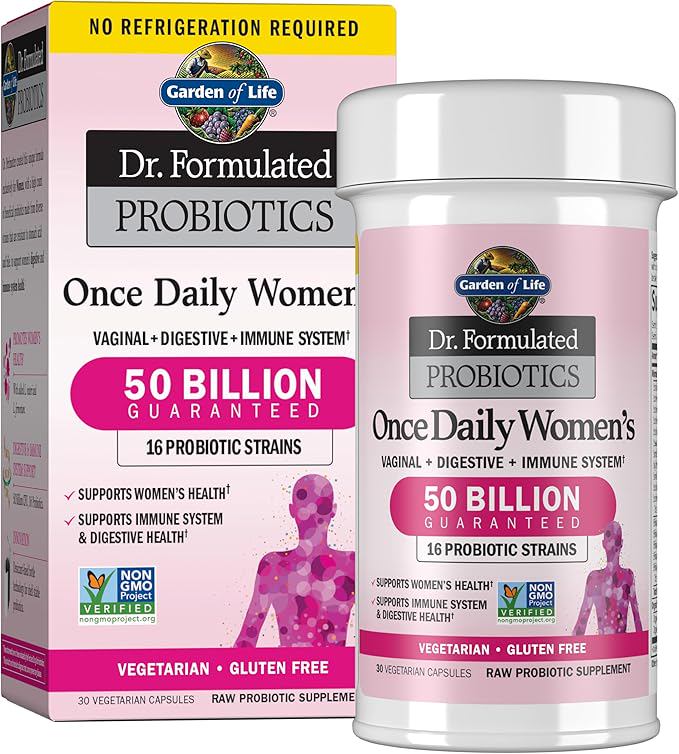
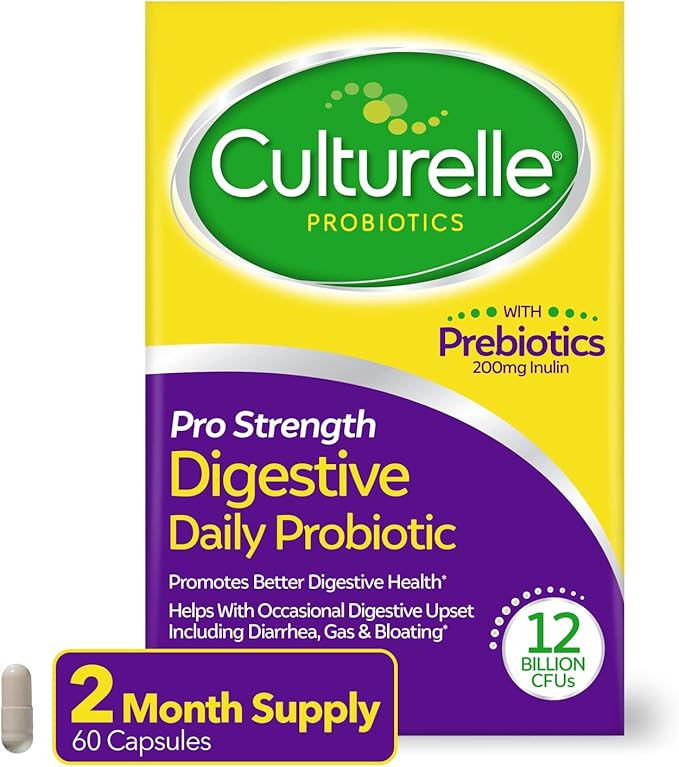
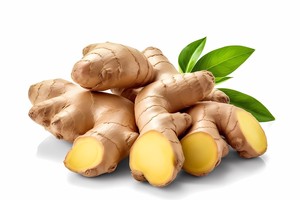
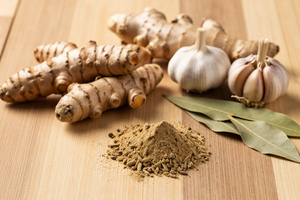
- Redesign – Rebalance your gut microbiome with enzymes and prebiotics/probiotics. Think fermented foods, garlic, ginger, and beetroot.
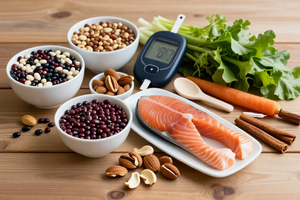
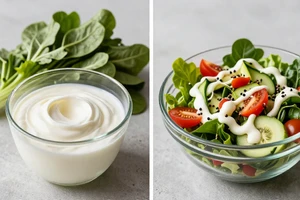
- Recharge – Fuel your gut with plant-based foods. Kothari suggests making 80 percent of your meal plant-based, including root vegetables, leafy greens, and omega-3 sources like flax seeds, olive oil, and walnuts.
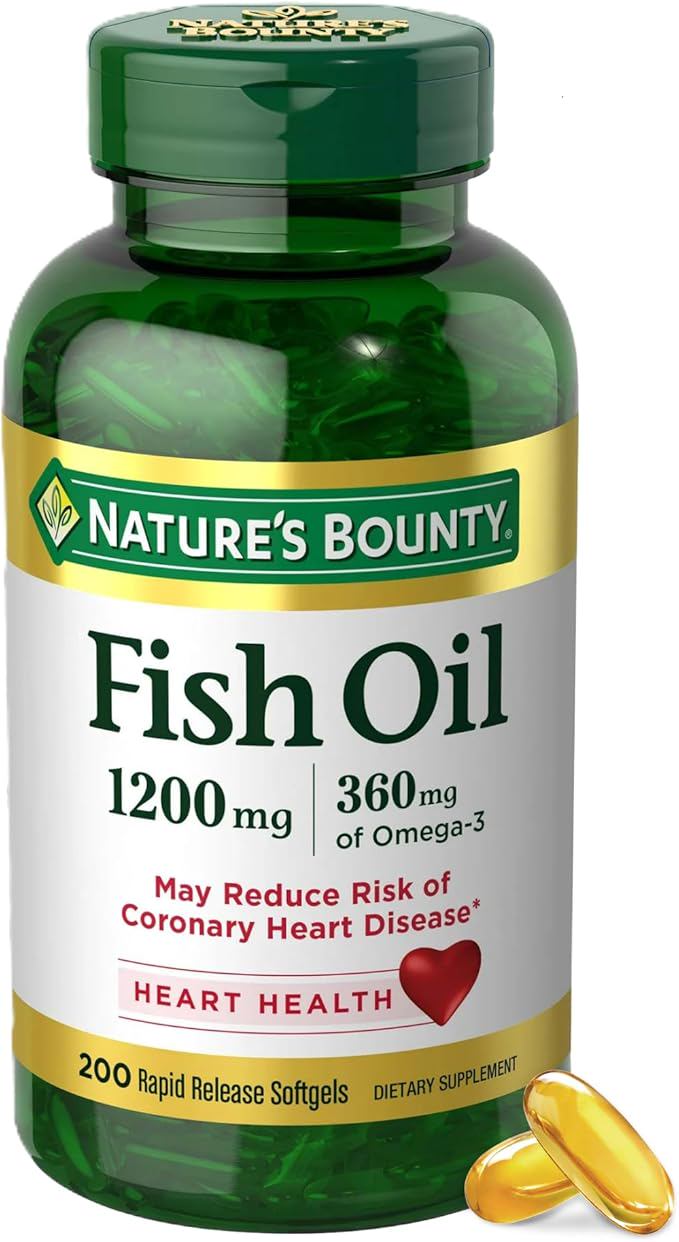
- Repair – Heal the gut lining with healthy fats and soothing nutrients. Bone broth, avocado, and omega-3 supplements can support this step.
She also highlights a specific practice: gut reboot meditation. Because stress hormones like cortisol are physically stored in the gut, targeted relaxation techniques may help release that tension. A calm gut is a gut that can digest and absorb protein efficiently.
Beyond Stress: Related Daily Habits
While chronic stress is the primary hidden habit undermining absorption, a few other daily patterns can compound the problem:
- Eating too quickly – Inadequate chewing means larger protein particles reach the stomach, making them harder to break down.
- Drinking excessive coffee or alcohol with meals – Both can irritate the gut lining and reduce enzyme activity.
- Skipping sleep – Poor sleep raises cortisol, which in turn suppresses digestive function.
Addressing these habits alongside stress management can help restore your gut's ability to absorb the protein you're already eating.
The Bottom Line
You don't need to eat more protein. You might just need to create the conditions for your body to absorb the protein it's already getting. That starts with recognizing that chronic stress is not just a mental burden—it's a physical one that directly interferes with your digestion.
By supporting your gut through targeted nutrition, stress reduction, and restorative habits, you can ensure the protein you work so hard to consume actually reaches your muscles, organs, and cells.