You watch your salt shaker. You read nutrition labels. Yet your daily sodium intake may still be creeping higher than you expect—often without you realizing it. The culprit isn't the food itself; it's a common habit that many of us do without thinking: relying on condiments, seasoning mixes, and prepared sauces to add flavor to home-cooked meals.
A squeeze of this, a sprinkle of that—these small additions can silently transform a low-sodium meal into one that rivals restaurant fare. Understanding where hidden sodium lurks in your everyday cooking routine is the first step toward taking back control.
Why Your Seasoning Cabinet Deserves a Second Look
Many of the most popular bottled sauces and seasoning blends are formulated with salt as a primary ingredient—not just for taste, but for preservation. Soy sauce, teriyaki sauce, salad dressings, taco seasoning packets, and even some “healthy” marinades can pack hundreds of milligrams of sodium per tablespoon. If you're cooking at home with wholesome ingredients like fresh vegetables and lean proteins but then coating them in a prepared sauce, the total sodium content of your plate can skyrocket.
Consider this: a single tablespoon of standard soy sauce contains around 900 mg of sodium—nearly 40 percent of the daily limit recommended by many health organizations. A typical serving of bottled Italian dressing adds roughly 300–400 mg. When you combine multiple condiments in a single meal, the numbers add up fast.
One Teaspoon at a Time: The Real Impact of Table Salt
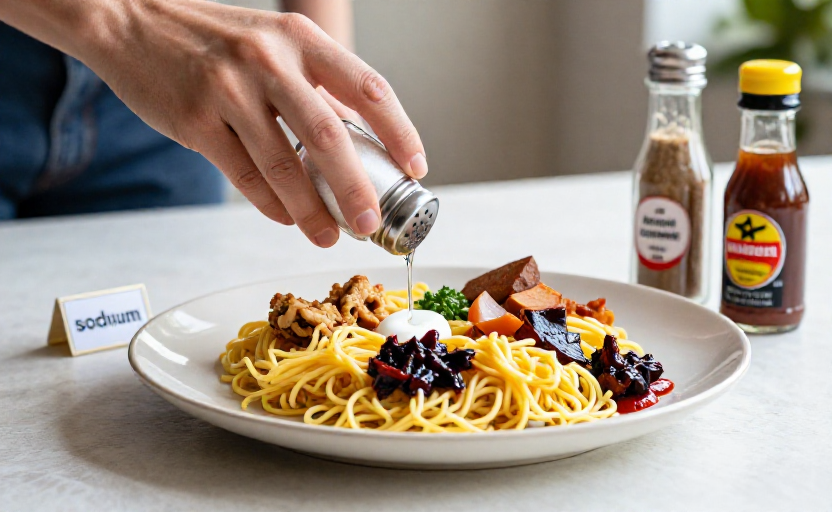
Even if you're not using bottled sauces, the simple act of salting food during cooking—and again at the table—can quietly push you over the edge. Many home cooks add salt to pasta water, to vegetables before roasting, to grains while they simmer, and then again as a finishing touch. That pinch here and another there can easily total one or more teaspoons by the end of a meal. Since one teaspoon of salt contains about 2,300 mg of sodium (the entire daily upper limit for most adults), this habit alone can meet or exceed your recommended intake in a single sitting.
Hidden Sodium in “Healthy” Cooking Shortcuts
Some daily habits that feel health-conscious can also bring unexpected sodium. For example:
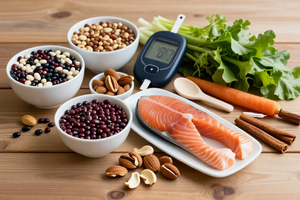
- Canned vegetables and beans – A quick way to add fiber and nutrients, but most are packed with salt as a preservative. One cup of canned black beans can contain 600–800 mg of sodium unless you buy a no-salt-added version and rinse them well.
- Broth and stock – Using store-bought vegetable or chicken broth as a soup base adds sodium even before you season the dish. Many brands deliver 600–900 mg per cup.
- Pre-made spice blends – Onion salt, garlic salt, lemon pepper, and seasoned salts are often just salt with a little dried herb or spice mixed in. They offer flavor but deliver sodium fast.
- Cheese as a garnish – A sprinkle of feta, parmesan, or cheddar on a salad or bowl can add 200–400 mg of sodium per ounce.
How to Break the Habit Without Losing Flavor
Reducing hidden sodium doesn't mean eating bland food. It means shifting the way you season. Small swaps and new habits can keep your meals satisfying while bringing your sodium intake back into a healthier range.
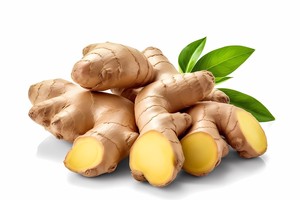
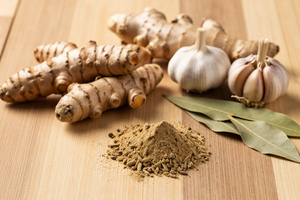
- Cook from scratch with whole spices. Instead of reaching for a seasoning blend, toast and grind cumin, coriander, fennel, or mustard seeds. Use fresh garlic and ginger, or dried herbs like oregano, thyme, and rosemary. These add depth without a salt hit.
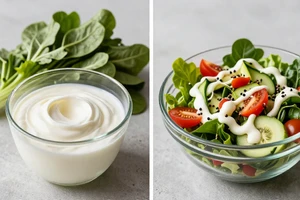
- Acid is your friend. A squeeze of lemon, a splash of vinegar, or a spoonful of plain yogurt can brighten a dish and reduce the need for salt. Acid enhances other flavors naturally.
- Choose low-sodium or no-salt-added versions. Opt for canned beans labeled “no salt added” and rinse them before use. Buy unsalted broth and add your own seasonings.
- Measure instead of shake. When you do use salt, measure it. This simple act prevents the automatic shakes that can double your intended amount.
- Taste before salting. Make it a rule to taste your food first. Many dishes need far less salt than you think, especially once you've used other seasonings.
A dietitian’s tip: If you're used to a higher sodium load, your palate will adjust within a week or two of cutting back. Foods you once found bland will begin to taste naturally flavorful again.
Awareness Is the First Ingredient
The daily habit of adding hidden sodium is often just that—a habit. By becoming aware of where sodium sneaks in—through sauces, seasoning blends, salty shortcuts, and automatic salt shakes—you can make intentional choices that protect your health. Your heart, kidneys, and blood pressure will thank you.