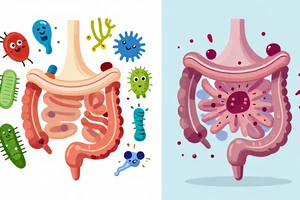
Fermented foods have earned a permanent spot in the gut-health conversation, and for good reason. Kimchi, sauerkraut, yogurt, kefir, kombucha, and miso deliver live probiotics that can support digestion and diversify your microbiome. But if you’ve ever wondered whether there’s a right time of day to eat them for maximum payoff, you're not alone. Timing, it turns out, can influence how well those beneficial microbes survive and take hold.
We asked registered dietitians to weigh in on the best window for eating fermented foods—and the answers may shift how you plan your meals.
Does timing matter for probiotic survival?
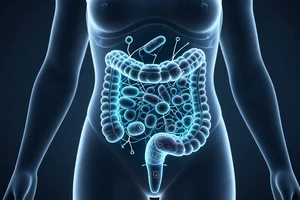
Probiotics are living organisms, and your stomach is a harsh environment—highly acidic, churning, and filled with digestive enzymes. The goal when you eat fermented foods is to get as many live microbes as possible safely through the stomach and into your intestines, where they can do their work.
“The biggest factor that determines probiotic survival is stomach acid—not the clock,” says one dietitian specializing in digestive health. “But you can influence acidity levels by what and when you eat.”
The case for eating fermented foods on an empty stomach
Several dietitians suggest that eating fermented foods first thing in the morning, or at least before a large meal, gives probiotics a better chance of reaching the gut intact. Here’s why:
- Lower stomach acid: Overnight, your stomach produces less acid. If you eat fermented foods before your first large meal, the pH in your stomach tends to be less hostile, so more live cultures may survive transit.
- Faster gastric emptying: On an empty stomach, food passes through the stomach more quickly. That means less exposure time for probiotics to get destroyed by acid.
- No interference from other foods: Fermented foods alone allow direct delivery, without heavy proteins or fats that prolong digestion and keep food in the acidic stomach longer.
Tip: Start with a small glass of water kefir or a few forkfuls of sauerkraut about 15–20 minutes before your breakfast.
Eating fermented foods with meals: the buffer argument
Not everyone can tolerate fermented foods on an empty stomach. For some, the sharp acidity or strong flavors can cause discomfort. That’s where eating them with food becomes practical—and still beneficial.
“Eating fermented foods alongside a meal provides a buffering effect,” explains another dietitian. “Proteins, fats, and carbohydrates can all help neutralize stomach acid to some degree, creating a less hostile environment for the probiotics. It’s a trade-off: they travel slower through the stomach, but they also face less acid.”
This approach works especially well for foods like yogurt or kefir with oatmeal, miso stirred into soup, or kimchi served alongside a bowl of rice and vegetables. The meal itself can help deliver the probiotics deeper into the digestive tract.
Should you eat fermented foods at night?
Evening consumption isn’t a concern for gut health, but it may matter for comfort. Fermented foods are rich in histamines and can be stimulating for some people. Those prone to acid reflux or sleep disruption may prefer to avoid large servings of tangy, fermented fare right before bed.
“Your microbiome doesn’t have a bedtime—it processes probiotics whenever you eat them,” one gut-health specialist notes. “But if sauerkraut or kimchi makes you feel bloated or gives you heartburn, eat them earlier in the day.”
What consistency matters more than timing
While timing can nudge probiotic survival in your favor, the real key is regular, consistent consumption. A single dose of fermented food once a week won’t shift your microbiome meaningfully. Dietitians emphasize that daily or near-daily intake has a far greater impact than eating a large amount at a “perfect” hour.
Aim for about a serving—think half a cup of yogurt, a quarter cup of sauerkraut, or a small glass of kombucha—spread across your day. Rotating different fermented foods also exposes your gut to a wider variety of bacterial strains.
Practical ways to time your fermented foods
Instead of overthinking the clock, match your fermented food habit with your routine. Here are actionable suggestions from dietitians:
- Mornings: Stir a spoonful of miso into hot water for a savory probiotic broth before breakfast. Or sip a small kombucha while you prepare your morning meal.
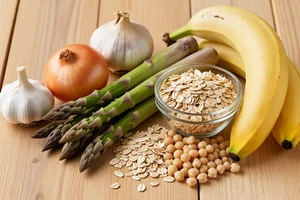
- With lunch: Add a handful of sauerkraut or kimchi to a grain bowl. The fiber in the bowl also acts as a prebiotic, feeding the probiotics along the way.
- Afternoon snack: A small cup of plain kefir or yogurt provides probiotics without the acidity of fruit-based versions.
- With dinner: Use fermented vegetables as a condiment rather than a side dish. A spoonful of pickled beets or curtido can enhance flavor and deliver live cultures.
Who should be cautious about timing fermented foods?
If you have small intestinal bacterial overgrowth (SIBO), histamine intolerance, or a condition like ulcerative colitis, fermented foods may trigger symptoms regardless of timing. These individuals often do better introducing very small amounts with meals or avoiding them under medical guidance.
For everyone else, the best time to eat fermented foods is simply whenever you will actually eat them consistently—morning, noon, or night.
Final takeaway: Eating fermented foods on an empty stomach may offer a slight advantage for probiotic survival due to lower stomach acid and faster transit. But eating them with meals is still effective, often more tolerable, and easier to sustain. What matters most is making them a regular part of your eating pattern, not hunting for the perfect hour on the clock.