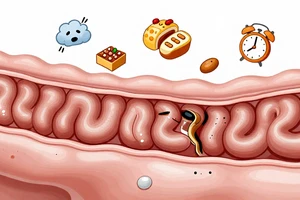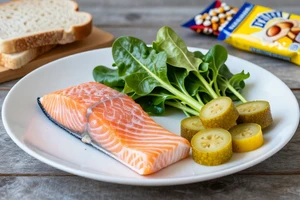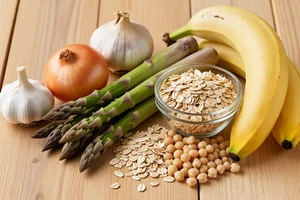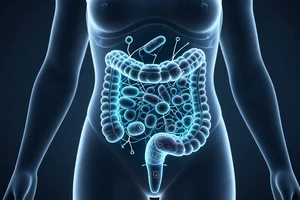
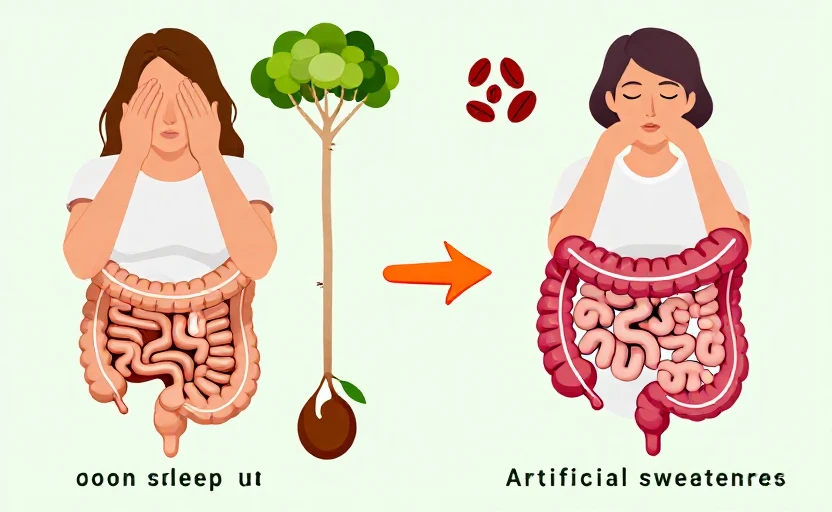
Your gut is a bustling ecosystem, home to trillions of bacteria that influence far more than just digestion. These microscopic residents play a crucial role in your immune function, mood, and overall health. Yet, many of our daily routines—actions we perform almost on autopilot—can quietly disrupt this delicate balance. We spoke with dietitians to identify the common, everyday habits that most consistently undermine a healthy gut microbiome.
It’s not about a single misstep, but the patterns we repeat. The good news is that by bringing awareness to these routines, we can make small, sustainable shifts that support our inner community instead of sabotaging it.
Relying Heavily on Artificial Sweeteners
In an effort to cut sugar, many people turn to diet sodas, sugar-free snacks, and packets of zero-calorie sweeteners. While the intention is health-conscious, the impact on your gut bacteria can be counterproductive. Research suggests that certain artificial sweeteners, like aspartame, sucralose, and saccharin, may alter the composition and function of the gut microbiome.
“These sweeteners aren’t just inert,” explains one registered dietitian. “Some can inhibit the growth of beneficial bacterial strains. They’re also hundreds of times sweeter than sugar, which may continue to train your palate to crave intense sweetness, potentially crowding out more diverse, microbiome-friendly foods from your diet.” The gut’s response appears to be highly individual, but for those struggling with gut issues, artificial sweeteners are a common culprit worth examining.
Eating the Same Limited Foods Every Day
Consistency is comforting, and having a standard breakfast or go-to lunch can simplify a busy life. However, a lack of dietary diversity is one of the most significant threats to a rich and resilient gut microbiome. Different bacterial species thrive on different types of fiber and plant compounds.
If your weekly menu rotates through the same ten to fifteen foods, you’re essentially feeding only a fraction of your microbial community. The rest may starve and diminish. Diversity in your diet directly fuels diversity in your gut, which is a key marker of gut health.
Aim to “eat the rainbow” across the week, not just in one meal. Each color in fruits and vegetables represents different phytonutrients that feed various beneficial bacteria.
Chronic, Unmanaged Stress
Your brain and your gut are in constant conversation via the gut-brain axis. When you’re stuck in a cycle of chronic stress—whether from work, relationships, or general overwhelm—your body releases hormones like cortisol. This prolonged state can directly affect your gut.
“Stress can alter gut motility, increase intestinal permeability sometimes called ‘leaky gut,’ and change the actual composition of your microbiota,” notes a dietitian who focuses on the gut-brain connection. “It often favors less helpful bacteria and can reduce the production of beneficial short-chain fatty acids.” Since you can’t eliminate stress entirely, the habit to watch is the lack of a consistent management practice, leaving your nervous system—and your gut—in a perpetual state of alert.
Insufficient and Poor-Quality Sleep
Skimping on sleep or having irregular sleep patterns does more than leave you groggy. It disrupts your circadian rhythm, and your gut bacteria have their own circadian rhythms that sync with yours. Night shift work, late-night screen time, and inconsistent bedtimes can throw this system out of balance.
Studies show that sleep deprivation can lead to decreases in beneficial gut bacteria. Furthermore, when you’re tired, you’re more likely to reach for sugary, highly processed snacks the next day, creating a double hit to your microbiome. Prioritizing seven to nine hours of quality sleep is a non-negotiable pillar of gut health that is often overlooked.
Overusing Antibiotics and Not Supporting Recovery
Antibiotics are life-saving medicines, and you should always take them as prescribed by your doctor. The habit here is not the necessary use, but the pattern of not actively supporting your gut during and after a course of treatment. Antibiotics are notoriously non-discriminatory; they wipe out harmful pathogens along with swathes of beneficial bacteria.
“If you’ve needed antibiotics, think of the following weeks as a recovery period for your gut,” advises a dietitian. “Not replenishing with probiotic-rich fermented foods and prebiotic fibers is a missed opportunity. It’s like reseeding a lawn after a drought but not watering it.” This support helps repopulate the gut and can reduce the risk of long-term microbial imbalance.
What You Can Do Starting Today
Reversing these habits doesn’t require a complete life overhaul. Start with one area. Could you swap your diet soda for sparkling water with a squeeze of citrus? Add one new vegetable to your grocery cart this week? Take five minutes for deep breathing when you feel stressed? These small, consistent actions signal to your gut bacteria that their environment is becoming more stable and supportive, allowing that vital inner ecosystem to thrive.