You’ve just rolled up your mat after a satisfying yoga session. Your muscles feel worked, your mind is clear, and a pleasant sense of fatigue is settling in. This is the moment when what you choose to eat next can make a significant difference in how your body recovers and adapts. While yoga isn’t always about high-intensity exertion, it still creates micro-tears in muscle fibers, depletes energy stores, and requires your body to repair and rebuild. The right post-yoga snack supports that process, helping you feel refreshed rather than depleted.
Nutrition experts emphasize that the goal isn’t just to quell hunger. It’s about strategic refueling. A well-considered snack can reduce muscle soreness, replenish glycogen, provide building blocks for repair, and rehydrate you. The ideal combination? A little protein to aid muscle synthesis, some carbohydrates to restore energy, and fluids to replace what was lost through breath and sweat.
Why your body needs fuel after yoga
Even a gentle or restorative yoga practice places demands on your body. Holding poses builds strength and endurance, which stresses muscle tissue. Flowing through a vinyasa sequence elevates your heart rate and burns fuel. This creates a window of opportunity—often cited as within 30 to 60 minutes post-practice—where your muscles are particularly receptive to nutrients that kickstart recovery. Ignoring this need can lead to prolonged stiffness, fatigue, and slower progress in building strength and flexibility.
The core components of a recovery snack are straightforward:
- Protein: Provides amino acids, the essential building blocks your body uses to repair the micro-damage in muscle fibers. This is crucial for rebuilding and strengthening the muscles you just engaged.
- Carbohydrates: Your primary fuel source during practice. Replenishing glycogen stores in your muscles and liver helps restore energy levels and prepares you for your next session.
- Fluids & Electrolytes: Yoga, especially in heated rooms or vigorous styles, leads to fluid loss through sweat. Rehydration is key for every bodily function, including nutrient transport and joint lubrication.
Think of your post-yoga snack as part of the practice itself—an act of mindful nourishment that honors the work your body just did.
Practical snack ideas from nutritionists
You don’t need a complicated recipe or specialty ingredients. The best snacks are simple, digestible, and combine the key elements. Here are expert-backed combinations that fit seamlessly into a busy day.
Quick & no-prep options
For when you need something immediately after class, before you head home.
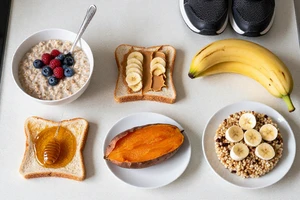
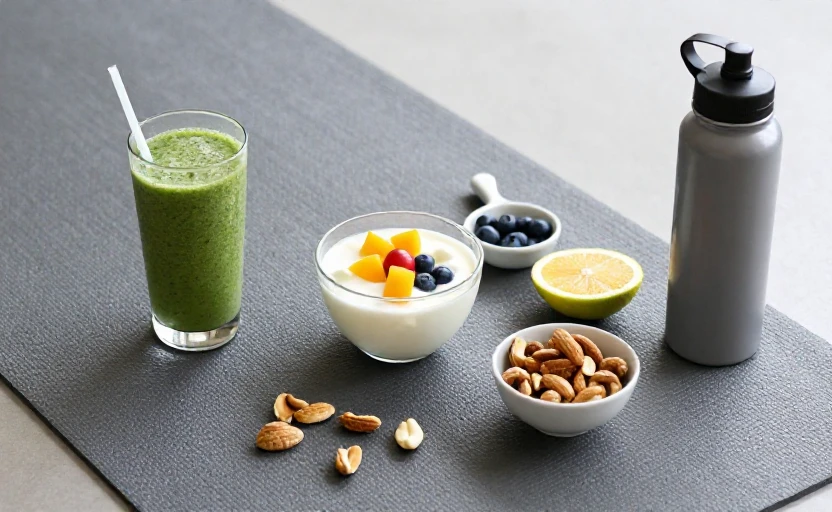
- A small container of Greek yogurt with a handful of berries.
- A banana with a tablespoon of almond or peanut butter.
- A hard-boiled egg (prepared ahead) with a piece of whole-grain toast or a few whole-grain crackers.
- A glass of chocolate milk (it provides the ideal protein-carb ratio).
Simple assembled snacks
These require minimal assembly once you’re home.
- Cottage cheese topped with pineapple or peach slices.
- Whole-grain rice cakes topped with avocado and a sprinkle of hemp seeds.
- A smoothie made with milk (or a fortified plant-based alternative), a scoop of protein powder, a handful of spinach, and half a frozen banana.
- Apple slices paired with a few slices of cheddar cheese or a small handful of walnuts.
Timing and portion: listening to your body
The infamous "anabolic window" is more forgiving for most yoga practitioners than for endurance athletes. If your practice was moderate, you have flexibility. The key is to not wait until you’re ravenously hungry. A small snack within an hour is generally sufficient to support recovery without overloading your digestive system.
Portion size should be just enough to satisfy, not a full meal. Listen to your body’s signals. After a vigorous 90-minute power flow, you’ll likely need more than after a 30-minute gentle stretch. A good rule of thumb is a snack containing 10-20 grams of protein and 20-40 grams of carbohydrates, adjusted for your size and practice intensity.
What to avoid after your practice
Just as some foods aid recovery, others can hinder it. Experts suggest steering clear of snacks that are heavily processed, high in refined sugar, or very high in fat immediately after exercising. A sugary pastry or a bag of chips might offer a quick energy spike, but it can lead to a crash and provides little of the protein or quality nutrients your muscles need for repair. Similarly, a very large, heavy meal can divert blood flow to your digestive system when it’s still needed in your muscles, potentially increasing feelings of sluggishness.
Hydration: the non-negotiable companion
No discussion of recovery is complete without emphasizing fluids. Water is essential, but if your practice was sweaty, you may also need to replace electrolytes like sodium and potassium. Coconut water is a natural source, or you can simply add a pinch of salt to your post-yoga water and eat a potassium-rich food like a banana or sweet potato. Herbal teas, like ginger or peppermint, are also a soothing, hydrating option that can aid digestion and reduce inflammation.
Ultimately, the best post-yoga snack is one that you enjoy, that agrees with your digestion, and that makes you feel replenished. It’s a personal part of your wellness ritual. By choosing foods that intentionally support recovery, you extend the benefits of your practice far beyond the mat, nurturing resilience from the inside out.