You’ve just finished a run. Your legs feel heavy, your breath is coming back to you, and a deep sense of satisfaction settles in. What you do in the next 30 to 60 minutes can profoundly influence how you feel tomorrow—and how your body adapts to the effort you just put in. This window isn’t about indulgence; it’s about strategic refueling to support muscle repair, replenish energy stores, and minimize that familiar ache of delayed onset muscle soreness.
Think of your muscles after a run. They’ve been working hard, breaking down glycogen for fuel and experiencing microscopic tears in the muscle fibers—a normal part of the adaptation process. The right snack provides the raw materials to reverse this breakdown. It’s a simple equation: you give your body what it needs to rebuild, and it responds with quicker recovery, less stiffness, and better readiness for your next outing.
What makes a snack ideal for recovery?
An effective post-run snack focuses on two primary components: carbohydrates and protein. They work as a team. Carbohydrates are your body’s preferred fuel source. Running depletes the glycogen stored in your muscles and liver. Replenishing these stores with carbs stops the breakdown process and provides energy for the repair work ahead.
Protein provides the amino acids, the building blocks, necessary to repair those micro-tears in your muscle fibers. This synthesis of new muscle protein is what leads to strength and adaptation. Consuming protein after your run signals to your body that it’s time to switch from breakdown mode to repair and build mode.
The goal isn't a large meal, but a balanced, easily digestible snack that delivers this nutrient pair efficiently.
Aiming for a ratio of roughly 3:1 or 4:1 (carbohydrates to protein) is a helpful guideline for endurance activities like running. For a moderate 30–60 minute run, a snack containing 15–25 grams of protein and 45–100 grams of carbs is often sufficient. Don’t overcomplicate it; consistency in getting something good into your system matters more than perfect precision.
Quick and effective snack ideas
You don’t need specialty products. Some of the best options are simple, whole foods you likely already have at home. The key is choosing something you’ll actually enjoy and can prepare with minimal effort when you’re tired.
Simple pairings from your kitchen
These combinations are easy to assemble and hit the recovery targets perfectly.
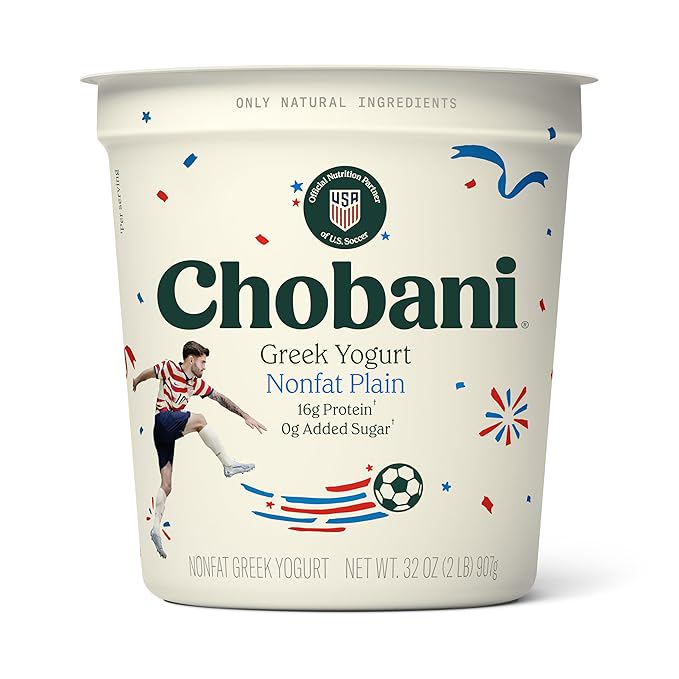
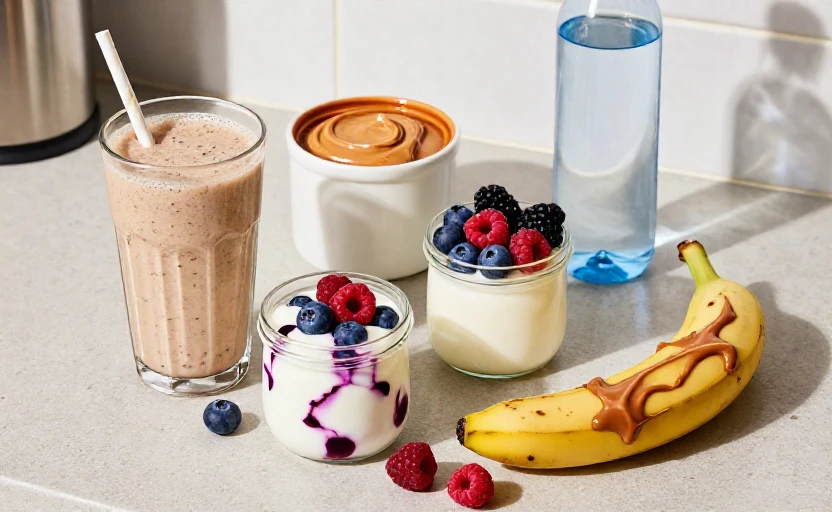
- Greek yogurt with berries and a drizzle of honey: Greek yogurt is packed with high-quality protein. Berries add carbohydrates, fiber, and antioxidants that may help combat exercise-induced inflammation. A spoonful of honey provides quick-digesting carbs.
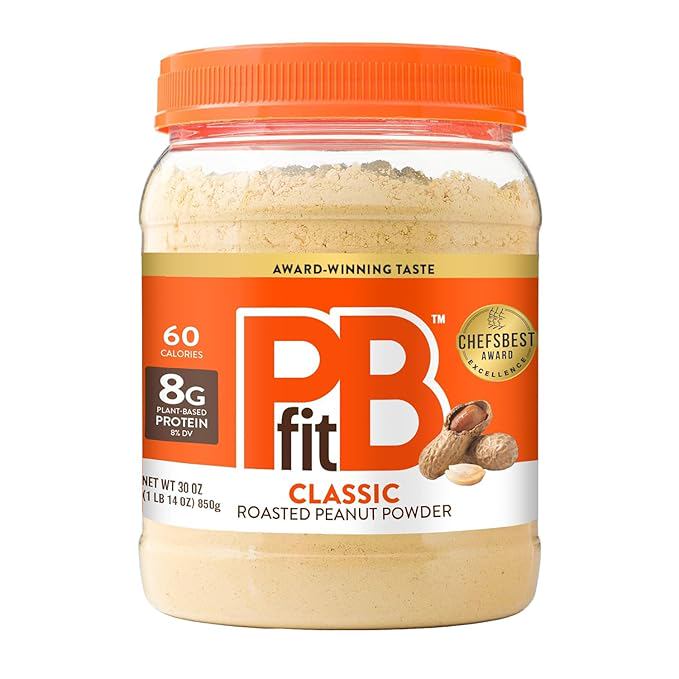
- A banana with a tablespoon of almond or peanut butter: A classic for good reason. The banana offers potassium (an electrolyte lost in sweat) and fast-acting carbs. The nut butter adds healthy fats and protein to slow digestion and extend the nutrient release.
- Cottage cheese with pineapple or peaches: Cottage cheese is a casein protein, which digests slowly, providing a steady stream of amino acids. The fruit adds the necessary carbohydrates and flavor.
- Whole-grain toast with avocado and an egg: This provides complex carbs, healthy fats, fiber, and complete protein. It’s more substantial, ideal after a particularly long or hard effort.
When you need something on-the-go
For runs that end away from home, a little planning ensures you still recover well.
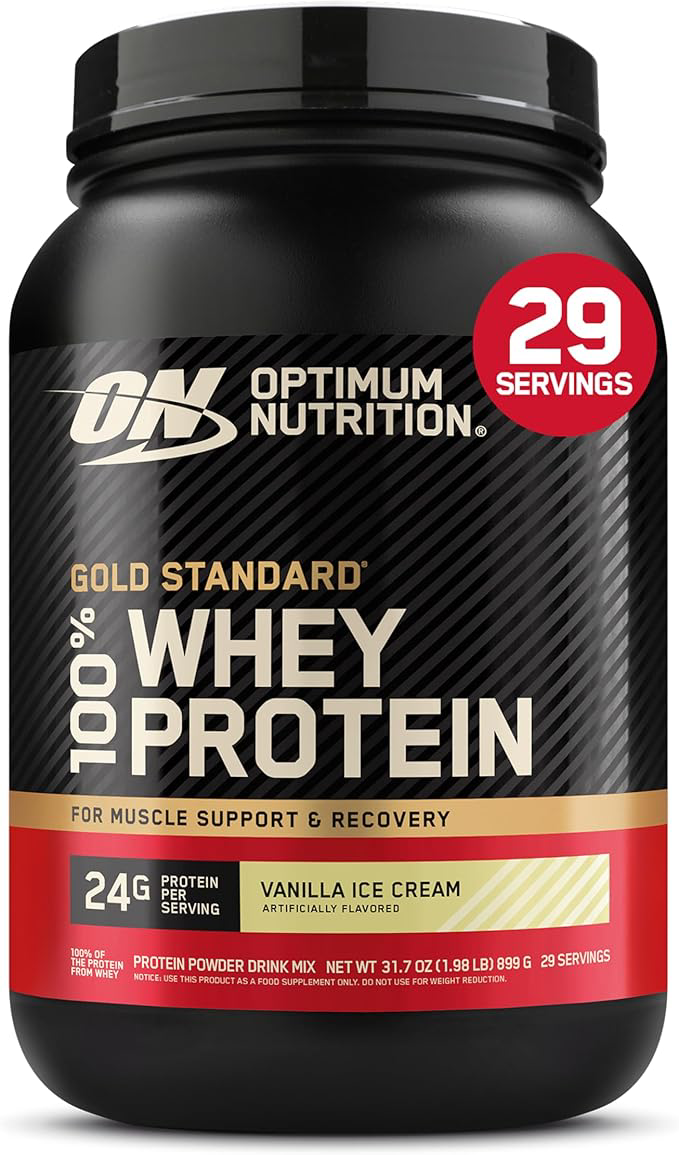
- A homemade smoothie: Blend milk (dairy or a fortified plant-based alternative), a scoop of protein powder, a banana, and a handful of spinach. Pre-portion the dry ingredients or keep a shaker bottle handy.
- A small handful of trail mix with nuts and dried fruit provides a mix of protein, carbs, and fats. Watch portion sizes, as it’s calorie-dense.
- A pre-made protein shake or bar: If choosing a bar, read the label. Look for one with recognizable ingredients, at least 15g of protein, and not loaded with added sugars or artificial fillers.
Hydration is part of the snack
Don’t let your snack do all the work. Rehydrating is a critical, and often overlooked, component of recovery. Fluid loss from sweat impacts your blood volume, making it harder for nutrients to reach your muscles and for waste products to be cleared.
Water is excellent, but after a sweaty run longer than an hour, you may also need to replace electrolytes like sodium and potassium. You can do this simply:
- Sip on water alongside your snack.
- Choose a snack naturally rich in electrolytes, like a banana (potassium) or yogurt.
- Consider adding a pinch of salt to your post-run smoothie or having a small serving of salty foods like pretzels if you were a heavy sweater.
What about soreness?
While no single food can completely eliminate delayed onset muscle soreness (DOMS), the right recovery nutrition can significantly reduce its severity and duration. The anti-inflammatory properties of foods like tart cherries, berries, fatty fish, and turmeric, when consumed regularly as part of a balanced diet, may help modulate the inflammatory response that contributes to soreness.
Timing matters here, too. Getting your recovery snack in promptly helps curb the inflammatory cascade and provides the nutrients needed for repair before soreness fully sets in. Think of it as getting ahead of the ache.
Consistency in your post-run routine—hydration, carbs, and protein—is your most reliable strategy for managing soreness over time.
Listening to your body
These guidelines are a starting point. Your ideal snack may depend on the intensity and duration of your run, your personal digestive comfort, and your overall daily nutrition. After a gentle 3-mile jog, a glass of chocolate milk might be perfect. After a 15-mile long run, you might need something more substantial like a small meal.
Pay attention to how you feel. Less soreness, more energy for daily tasks, and feeling ready for your next run are the best signs that your recovery strategy is working. The goal is to support your running habit in a sustainable, enjoyable way, making sure your nutrition works as hard for you as you do on the road.