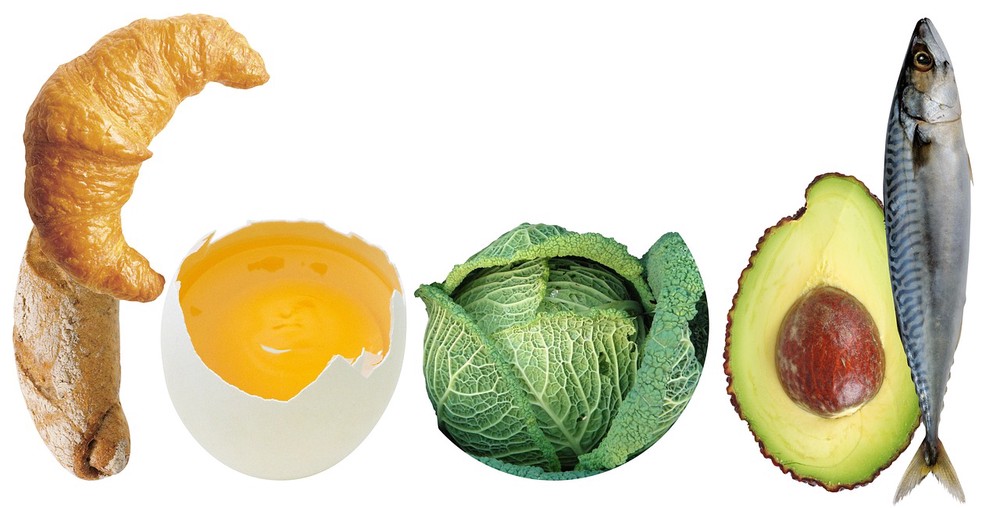
When you are always on the go, every meal is a chance to fuel your body. But not all calories are created equal. The concept of nutrient density—getting more vitamins, minerals, and beneficial compounds per bite—is a game-changer for busy adults who want to stay healthy without eating huge portions. Instead of focusing on what you can't have, it shifts the focus to what you can eat more of: foods packed with goodness that support your energy, skin, digestion, and long-term health.
Think of it this way: if you are going to eat, you might as well eat foods that give you the most return on your bite. Here are some of the most nutrient-dense foods you can enjoy freely, along with practical ways to include them in your daily life.
What makes a food nutrient-dense?
Nutrient-dense foods are those that provide substantial amounts of vitamins, minerals, fiber, and other health-promoting substances relative to their calorie count. They are the opposite of empty-calorie foods. For busy adults, prioritizing these foods means you can eat satisfying portions without worrying about weight gain, and you get the added bonus of better digestion, clearer skin, and stable energy throughout the day.
Carrots and vegetable juice: a winter powerhouse
Carrots are a standout source of vitamin A in the form of beta-carotene, along with lycopene, alpha-carotene, and lutein. A glass of fresh carrot juice is naturally sweet, hydrating, and high in fiber, which supports gut health and regular digestion. It also provides vitamin C for immune support and skin protection from oxidative stress. For the best nutrient boost, combine carrot juice with tomato, ginger, and beetroot—this mix enhances iron absorption and gives your skin a natural glow.
Spinach: the leafy green that does it all
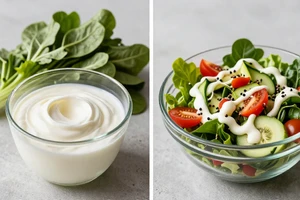
Spinach is a nutrient superstar, rich in vitamins A, B2, C, K, folates, iron, magnesium, manganese, and the antioxidant kaempferol. Vitamin K supports bone health by helping calcium absorption, while iron and folates are essential for healthy skin, hair, and brain function. Kaempferol has been linked to lower inflammation and reduced risk of chronic disease. A squeeze of lemon juice over spinach dishes boosts iron absorption even further.
"Vitamin K strengthens your bones by optimizing calcium absorption," notes clinical nutritionist Dr. Lovneet Batra. "Iron and folates are needed for good skin, hair, and brain health. Iron also helps to purify your blood better and increases your hemoglobin."
However, if you have a history of kidney stones or are on blood-thinning medications, consult your healthcare provider before increasing spinach intake, as vitamin K can interfere with certain medications.
Moong dal: the gentle lentil for digestion and hair
Moong dal (split yellow gram) is a lentil that is surprisingly easy on the stomach while being packed with folic acid and protein. Folic acid is crucial for cell health and is especially important during pregnancy to support fetal brain and spinal cord development. The high insoluble fiber content promotes regular digestion and keeps you feeling full for hours, making it a weight-management ally. The combination of vitamins A, C, and folic acid also supports strong hair and can help reduce hair fall.
For a complete post-workout meal, enjoy moong dal with rice and a sprinkle of moringa powder. This combination provides high-quality protein for muscle repair and recovery.
Cucumber: hydration and satiety in every crunch
Cucumbers are 96% water, making them one of the most hydrating snacks you can choose. The soluble fiber pectin helps regulate bowel movements, while the high water content aids in weight loss by filling your stomach without adding many calories. Skip the store-bought cheese spreads and instead enjoy cucumber in salads, raita, or cold soup with mint and yogurt for a refreshing, nutrient-dense treat.
Amaranth flour: a gluten-free grain that supports the heart
Also known as rajgira atta, amaranth flour is a gluten-free grain that provides a notable amount of protein and calcium. It supports heart health by helping to lower cholesterol and can boost metabolism, which aids in healthy weight management. Use it to make rotis, pancakes, or a nourishing pulao.
Steel-cut oats: fiber for gut health and stable blood sugar
Unlike instant oats, steel-cut oats are minimally processed and retain more fiber. The soluble fiber beta-glucan forms a gel-like substance in your digestive tract that helps lower LDL (bad) cholesterol and stabilize blood sugar levels. This is particularly beneficial for women with PCOS and anyone looking to maintain steady energy. The insoluble fiber adds bulk to stool, supporting regular bowel movements.
Coconut water: nature's electrolyte drink
After a workout or on a hot day, coconut water provides natural electrolytes—potassium, magnesium, and sodium—that rehydrate your body more effectively than plain water. It also helps reduce acidity and supports gut health. For an enhanced version, mix one glass of coconut water with a tablespoon of lemon juice, a teaspoon of chia seeds, and a teaspoon of rose petals for a refreshing, antioxidant-rich drink.
Buttermilk: a probiotic drink that satisfies hunger
Buttermilk is a natural probiotic that helps keep your hunger hormones in check. It contains natural whey protein, making it an excellent post-workout recovery drink. "Buttermilk is a natural probiotic that can help to keep our hunger hormones satisfied," says Dr. Batra. "This source of natural whey protein acts as an excellent post-workout drink that is strengthening and energizing."
Pumpkin seeds: a small seed with big benefits
Pumpkin seeds are an excellent source of magnesium, a mineral that plays a key role in sleep regulation, blood pressure control, and heart health. Magnesium also supports bone strength. A handful of pumpkin seeds makes a convenient, no-prep snack that delivers a concentrated dose of nutrients.
Sweet potatoes: vitamin A for your skin
Sweet potatoes are one of the richest natural sources of vitamin A, which stimulates fibroblasts—the cells responsible for keeping skin firm and healthy. Enjoy them baked, roasted, or as a sweet potato chaat with a squeeze of lime and a sprinkle of spices. "Sweet potato chaat is a great snack to fulfill your body's vitamin A requirements and keep skin healthy," adds Dr. Batra.
Putting it all together
Nutrient density isn't about restriction—it's about abundance. By choosing foods that deliver more vitamins, minerals, and fiber per calorie, you can eat satisfying portions, support your body's natural functions, and feel energized without the guilt. For busy adults, this approach simplifies healthy eating: you don't need to count every calorie, just prioritize foods that work harder for you.
Disclaimer: This article is for general informational purposes only and does not constitute medical advice. Always consult a qualified healthcare provider before making significant changes to your diet, especially if you have underlying health conditions or are taking medications.