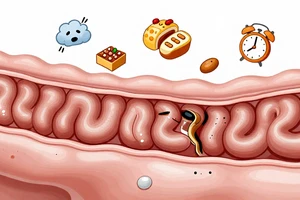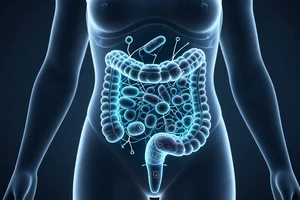
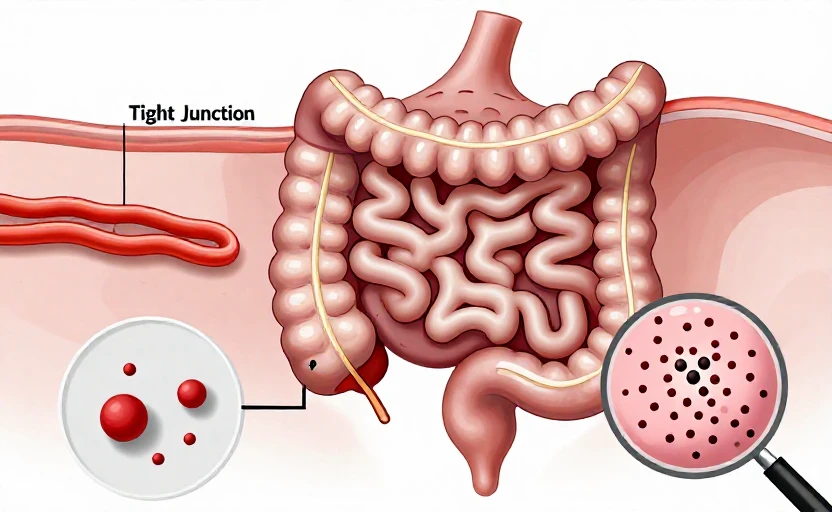
You’ve likely heard the term ‘leaky gut’ in wellness circles, often accompanied by a mix of confusion and concern. It sounds alarming, but what does it actually mean for your health? At its core, leaky gut syndrome—more formally known as increased intestinal permeability—is a condition where the lining of the small intestine becomes damaged. This allows undigested food particles, toxins, and microbes to ‘leak’ through the intestinal wall into the bloodstream.
The body’s immune system flags these foreign substances as invaders, which can trigger widespread inflammation and a host of uncomfortable symptoms, from bloating and fatigue to joint pain and skin issues. While conventional medicine is still mapping the full implications, the concept provides a useful framework for understanding how gut health connects to overall well-being. The good news is that the gut lining is remarkably resilient and can often be supported back to health by addressing the underlying factors that strain it.
What exactly causes the gut lining to become more permeable?
Think of your gut lining as a sophisticated, selective barrier—a wall with tightly regulated gates. Its job is to let vital nutrients pass into circulation while keeping harmful substances out. Several common, modern-day factors can weaken the mortar between the bricks of this wall, making the gates looser than they should be. It’s rarely one single thing, but rather a combination of lifestyle and dietary patterns that, over time, can contribute to the problem.
Five common contributors to leaky gut
1. A diet high in processed foods and refined sugars
The standard Western diet, rich in packaged snacks, sugary drinks, and refined carbohydrates, is a primary suspect. These foods are often low in the fiber that feeds your beneficial gut bacteria and high in ingredients that can promote inflammation. Sugar, in particular, can feed less desirable microbes like yeast, disrupting the delicate balance of your gut microbiome. An imbalanced microbiome can produce substances that irritate and damage the intestinal lining.
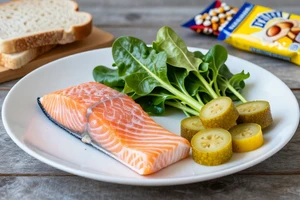
Focus on whole, fiber-rich foods—they provide the prebiotics your good gut bacteria need to thrive and produce compounds that help maintain a strong gut barrier.
2. Chronic stress
Your gut and brain are in constant communication via the gut-brain axis. When you’re under prolonged stress, your body releases hormones like cortisol. While helpful in short bursts, chronically elevated cortisol can weaken the immune system in your gut and directly increase intestinal permeability. It can also slow digestion and alter gut bacteria, creating a perfect storm for gut lining distress.
3. Overuse of certain medications
Non-steroidal anti-inflammatory drugs (NSAIDs) like ibuprofen and naproxen are known to irritate the intestinal lining and can increase permeability, especially with frequent use. Similarly, while sometimes necessary, prolonged or repeated courses of broad-spectrum antibiotics don’t just target bad bacteria—they wipe out beneficial ones, too. This loss of protective microbes can compromise the gut barrier’s integrity.
4. Excessive alcohol consumption
Alcohol can be directly irritating to the mucosal lining of the gut. It can also promote the growth of inflammatory bacteria and increase the production of toxins that damage the tight junctions holding your intestinal cells together. Moderation is key, as the impact is often dose-dependent.
5. Food sensitivities and chronic inflammation
This can become a cyclical issue. An initial bout of increased permeability may allow partially digested food proteins (like gluten or dairy casein) into the bloodstream, where the immune system may start to recognize them as threats. This can lead to the development of food sensitivities. Every time that food is eaten thereafter, it triggers an inflammatory response that further damages the gut lining, perpetuating the leaky gut cycle.
How can you support a healthier gut barrier?
Addressing leaky gut is less about finding a single miracle cure and more about removing the aggravating factors and providing the building blocks for repair. It’s a process of supporting your body’s innate healing capacity.
Revise your plate. The most powerful step is to shift your diet toward whole, anti-inflammatory foods. Prioritize vegetables, fruits, lean proteins, healthy fats, and fermented foods. Consider an elimination diet under guidance to identify potential food sensitivities, commonly starting with gluten, dairy, soy, and refined sugars. Reintroducing bone broth, rich in collagen and amino acids like glutamine, may provide nutrients that support the repair of the gut lining.
Manage your stress, don’t just manage your diet. Since stress is a direct contributor, incorporating daily stress-reduction practices is non-negotiable. This doesn’t have to be complicated. It could be ten minutes of deep breathing, a daily walk in nature, mindfulness meditation, or gentle yoga. Consistency matters more than duration.
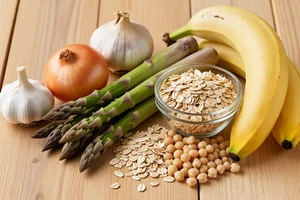
Support your microbiome. A diverse and robust community of gut bacteria is essential for barrier function. Incorporate probiotic-rich foods like kefir, sauerkraut, kimchi, and yogurt. Equally important are prebiotic fibers—found in foods like garlic, onions, leeks, asparagus, and bananas—which act as fuel for those good bacteria.
Review medication use with your doctor. Never stop prescribed medication on your own, but do have a conversation with your healthcare provider about the necessity and duration of any medications known to affect the gut, exploring alternatives if appropriate.
Consider supportive supplements. Certain supplements have been studied for their role in gut barrier support. L-glutamine is an amino acid that serves as a primary fuel source for intestinal cells. Zinc carnosine has shown promise in supporting mucosal repair. Deglycyrrhizinated licorice (DGL) can help soothe the gut lining. Always consult with a knowledgeable healthcare practitioner before starting new supplements, especially if you have underlying health conditions.
Healing is a journey, not an overnight fix. Patience is essential, as the gut lining renews itself every few weeks. By consistently applying these supportive strategies, you create the conditions your body needs to restore balance and function from the inside out.