If you’ve been exploring wellness topics, you’ve likely encountered the term ‘leaky gut.’ It’s a concept that sits at the intersection of emerging science and holistic health, often described as a gateway to systemic inflammation. While the medical community continues to research its precise role, many people report that dietary changes make a tangible difference in their digestive comfort and overall well-being. This approach isn’t about a single miracle food, but rather a thoughtful framework for eating that supports the intricate ecosystem within your digestive tract.
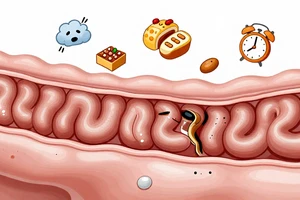
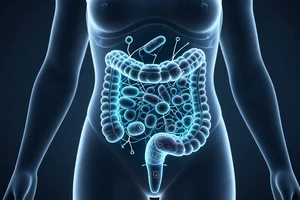
Think of the lining of your intestines as a discerning gatekeeper. In a state of optimal health, this barrier is selectively permeable, allowing vital nutrients to pass into the bloodstream while keeping larger, potentially harmful substances contained. The theory behind leaky gut, or increased intestinal permeability, suggests that this barrier can become compromised. When the tight junctions between intestinal cells loosen, particles that normally stay put may enter the bloodstream, potentially triggering an immune response. Diet plays a central role in either challenging or calming this delicate system.
What does a gut-supportive diet look like?
Navigating dietary advice can feel overwhelming. The core principle for managing intestinal permeability is consistency and nourishment, not extreme restriction. The goal is to reduce inflammatory triggers while providing the building blocks your gut lining needs to repair and maintain itself. This means emphasizing whole, anti-inflammatory foods and being mindful of those that might irritate a sensitive gut.
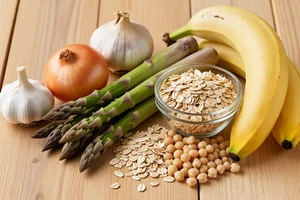
Focus on creating meals rich in diversity and color. A wide variety of plant foods supports a diverse gut microbiome, which is essential for a healthy intestinal barrier. Fiber, particularly the soluble kind found in oats, apples, and legumes, is fermented by gut bacteria into short-chain fatty acids like butyrate—a primary fuel source for the cells lining your colon.
Consistency is more powerful than perfection. A generally supportive diet, sustained over time, creates a better environment for gut healing than sporadic bouts of perfect eating.
Foods to emphasize for gut lining support
Certain foods are particularly rich in nutrients that contribute to a robust intestinal barrier. Incorporating these regularly can provide the raw materials your body needs.
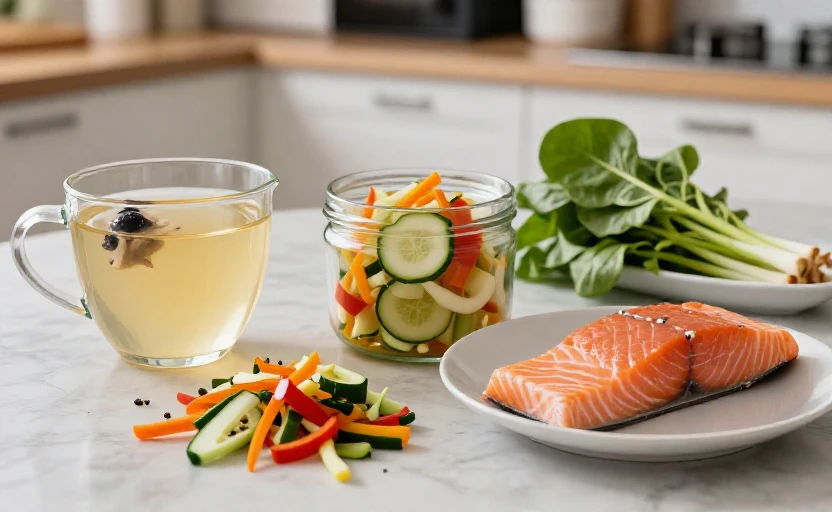
Bone broth and collagen peptides are popular for their glycine and proline content, amino acids that are key components of the proteins that structure the gut lining. While research is ongoing, these traditional foods are valued for their easily absorbed nutrients.
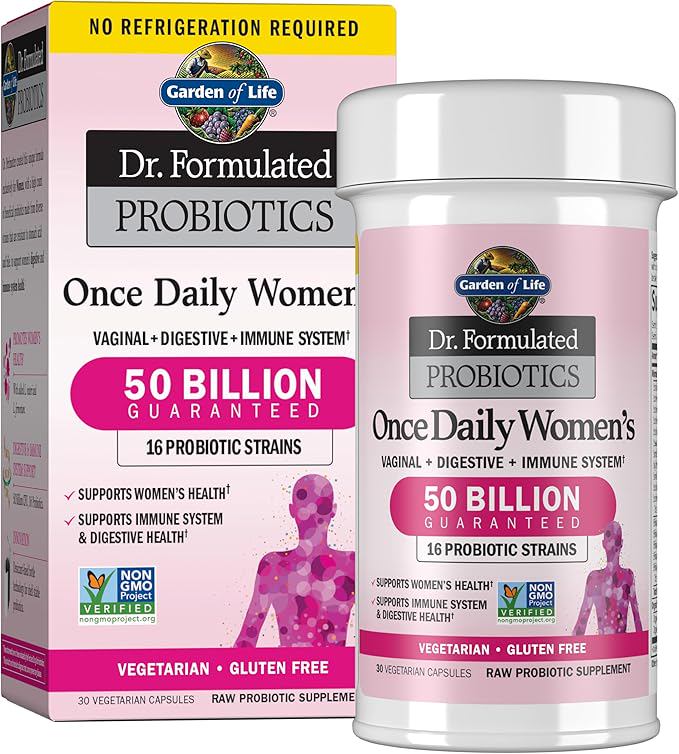
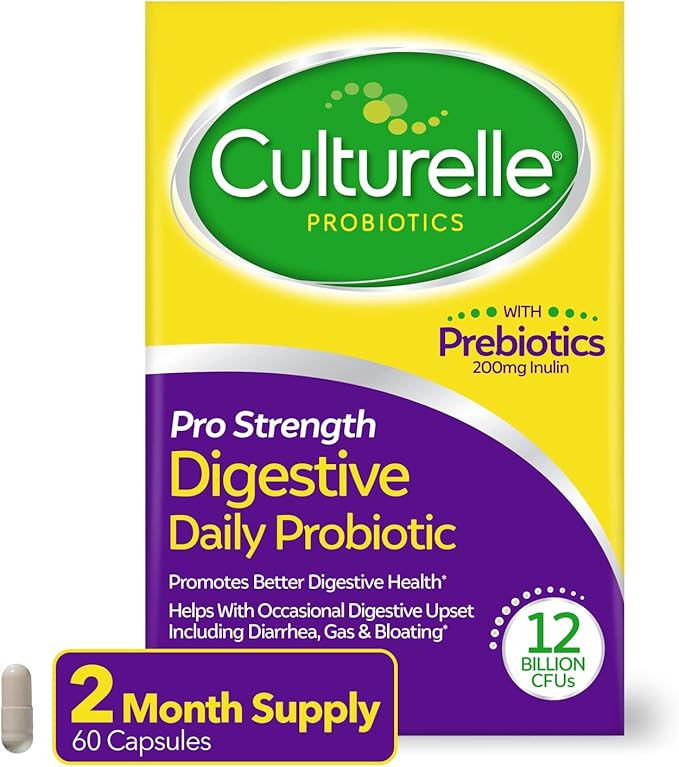
Fermented foods like sauerkraut, kimchi, kefir, and plain yogurt introduce beneficial probiotics. These live cultures help crowd out less helpful bacteria and contribute to a balanced microbial community, which is intimately linked to barrier function.
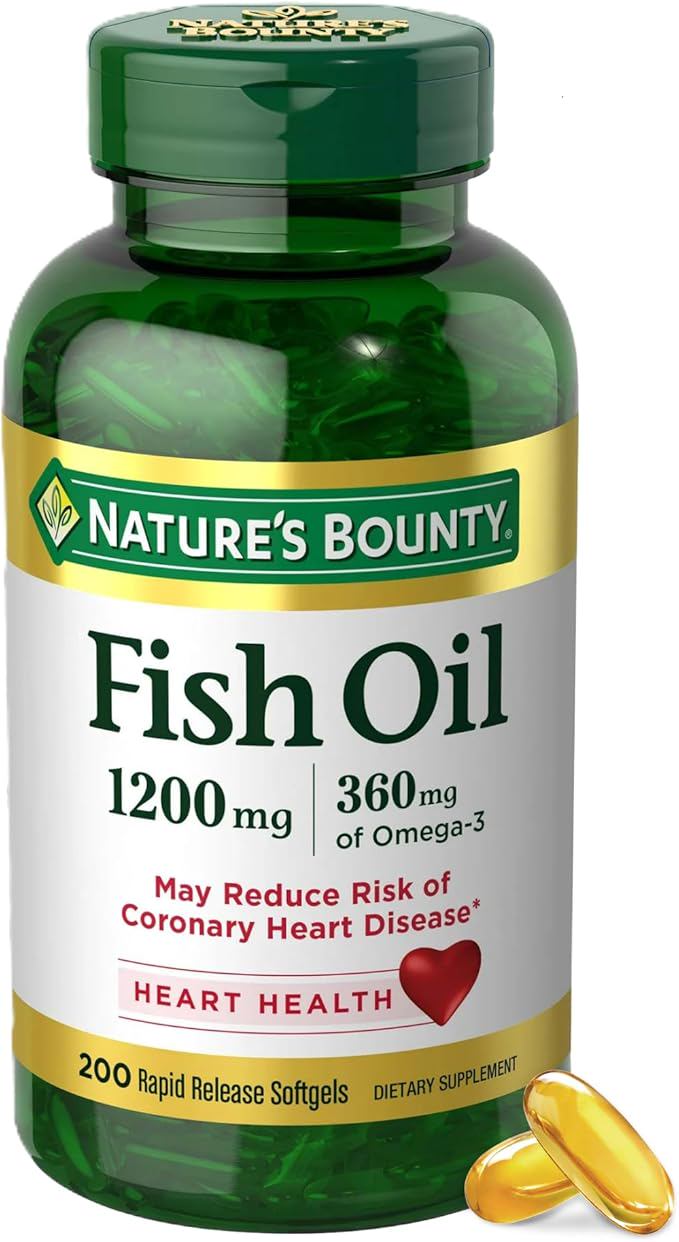
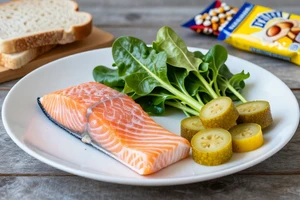
Omega-3 rich foods, such as wild-caught salmon, sardines, flaxseeds, and walnuts, are prized for their anti-inflammatory properties. Chronic inflammation can weaken tight junctions, so including these fats can help create a more soothing internal environment.
Cooked and easily digestible vegetables like squash, carrots, spinach, and asparagus are often better tolerated than raw, fibrous varieties during periods of significant gut sensitivity. They provide essential vitamins and antioxidants without excessive roughage.
Common dietary triggers to consider
While everyone’s triggers are unique, some foods and substances are commonly reported to exacerbate gut permeability and inflammation. This isn’t a mandate for lifelong avoidance, but a suggestion for a temporary, observant experiment. An elimination diet should be undertaken thoughtfully, and ideally with guidance from a healthcare professional.
Many find that reducing or removing the following for a period allows their gut to settle:
- Gluten: The protein in wheat, barley, and rye can increase zonulin, a protein that regulates tight junctions, in some individuals.
- Excessive sugar and refined carbohydrates: These can feed less beneficial gut bacteria and yeast, potentially contributing to imbalance and inflammation.
- Industrial seed oils: High intake of oils like soybean, corn, and canola oil, which are rich in omega-6 fatty acids, may promote an inflammatory state if not balanced with omega-3s.
- Alcohol: Alcohol can directly irritate the gut lining and disrupt the microbiome.
- Dairy: For some, the lactose (sugar) or casein (protein) in dairy can be difficult to digest and provoke inflammation.
The role of stress and lifestyle
It’s impossible to separate diet from the broader context of your life. Chronic stress activates pathways that can directly increase intestinal permeability. No amount of bone broth can fully offset the effects of constant, high cortisol. Pairing dietary strategies with stress-management practices—like mindful eating, adequate sleep, and gentle movement—creates a synergistic effect. Eating in a rushed or anxious state can impair digestion, so simply taking a few deep breaths before a meal is a foundational gut-supportive habit.
Building a sustainable approach
Rather than chasing a quick fix, view this as cultivating a long-term relationship with food that serves your gut health. Start with additions, not just subtractions. Focus on incorporating more of the supportive foods first. Keep a simple journal to note how you feel after meals, tracking energy, mood, and digestion. This personalized data is far more valuable than any generic list.
Remember, the gut is remarkably resilient. By providing consistent nourishment and reducing insults, you create the conditions it needs to find its own balance. Progress may be gradual, measured in improved digestion, clearer skin, or more stable energy rather than overnight transformation.
If digestive symptoms are severe or persistent—such as significant pain, unexplained weight loss, or blood in stool—it is essential to consult a doctor or gastroenterologist. They can help rule out other conditions and provide personalized guidance. The strategies here are for general wellness education and are not a substitute for professional medical advice, diagnosis, or treatment.