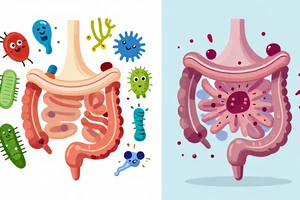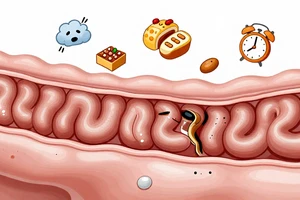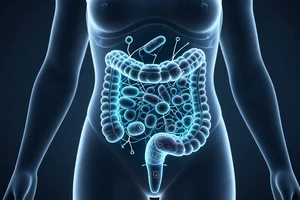
You’ve likely heard the term ‘leaky gut’—or its medical name, increased intestinal permeability—floating around wellness circles. It describes a condition where the lining of the small intestine becomes more porous than it should be, potentially allowing undigested food particles, toxins, and microbes to pass into the bloodstream. This can trigger inflammation and a host of uncomfortable symptoms like bloating, gas, cramps, and food sensitivities. While the concept is complex and research is evolving, many people with sensitive stomachs find their symptoms are intimately connected to what’s on their plate.
If you’re navigating digestive discomfort, it’s not about chasing a trendy diagnosis. It’s about understanding how everyday foods might be contributing to irritation and inflammation in your gut. The goal isn’t to live in fear of food, but to become a thoughtful observer of how your body responds, empowering you to make choices that support calm and comfort.
What does ‘leaky gut’ really mean for your digestion?
Think of your intestinal lining as a sophisticated, selective barrier. In a healthy gut, tight junctions—like the carefully sealed gates between cells—control what passes from your digestive tract into your body. When this barrier is functioning well, it allows properly digested nutrients through while keeping larger, potentially problematic compounds out.
When this system is challenged, those ‘gates’ can become loose. This is what’s referred to as increased permeability. It’s not a disease in itself but rather a physiological state observed in various digestive conditions. When larger particles cross this barrier, the immune system, which is highly concentrated in gut tissue, may see them as threats. This can launch an inflammatory response, which is often what you feel as bloating, pain, or erratic bowel movements.
Listening to your body’s signals after eating is the first, most personal step toward identifying your unique triggers.
Common dietary triggers for gut sensitivity
No single list applies to everyone, as gut health is deeply individual. However, certain foods and compounds are frequent contributors to inflammation and gut lining irritation. For many people, moderating or temporarily avoiding these foods can provide significant symptom relief and a clearer picture of their personal tolerances.
Highly processed foods and refined sugars
A diet high in ultra-processed snacks, fast food, and sugary drinks can be one of the most significant stressors on the gut. These foods are often low in the fiber that nourishes beneficial gut bacteria and high in additives, unhealthy fats, and simple sugars. This combination can promote an imbalance in gut bacteria and fuel inflammation, which may compromise the integrity of the intestinal lining over time.
Gluten and certain grains
For individuals with celiac disease, gluten—a protein found in wheat, barley, and rye—triggers an autoimmune attack that directly damages the small intestine. For others with non-celiac gluten sensitivity or wheat intolerance, gluten and other compounds in these grains (like FODMAPs) can cause significant digestive distress and inflammation without the autoimmune component. This inflammatory response is a key player in gut permeability.
Conventional dairy products
Dairy can be problematic for two primary reasons. First, lactose intolerance, caused by a deficiency of the lactase enzyme, leads to undigested lactose fermenting in the colon, causing gas and bloating. Second, some people react to the proteins in dairy, like casein and whey, which can stimulate an inflammatory immune response that irritates the gut lining.
Industrial seed oils and fried foods
Oils high in omega-6 fatty acids, such as soybean, corn, and sunflower oil, are prevalent in processed and fried foods. While we need some omega-6s, the modern diet is often heavily skewed toward them and away from anti-inflammatory omega-3s. A chronic imbalance can promote systemic inflammation, which doesn’t spare the digestive tract.
Alcohol
Alcohol is a direct irritant to the mucosal lining of the gut. Even moderate consumption can increase permeability temporarily, and chronic use can lead to more sustained damage and bacterial imbalance. It can also impair the function of the tight junctions between intestinal cells.
How to approach your diet without overwhelm
Identifying triggers isn’t about launching into a permanent, overly restrictive diet. It’s a temporary investigative process aimed at creating a long-term, sustainable way of eating that makes you feel well. A structured yet gentle approach tends to yield the best results.
Consider starting with a simple food and symptom journal for a week or two. Note what you eat and any digestive symptoms that follow, along with their timing and severity. Patterns often emerge that you might otherwise miss.
Many find guidance in an elimination diet, where common trigger foods are removed for a period of 3-6 weeks to allow symptoms to settle. This is followed by a careful, systematic reintroduction phase, where foods are added back one at a time while you monitor your body’s response. This method provides clear, personal data.
An elimination diet is a tool for discovery, not a life sentence. Its power lies in the reintroduction phase, where you learn exactly which foods are friends to your gut.
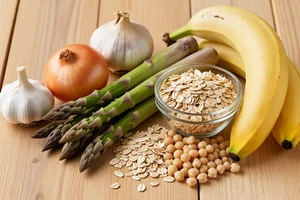
Throughout this process, focus on what you can add, not just what you remove. Nourishing your gut with a variety of colorful vegetables, fermented foods, lean proteins, and healthy fats provides the building blocks for repair and helps cultivate a resilient microbiome.
Foods that often support a calmer gut
While avoiding irritants is one side of the coin, actively incorporating soothing, nutrient-dense foods is the other. These foods provide the vitamins, minerals, and compounds that support the repair and maintenance of the gut lining.
- Bone broth: Long-simmered broth contains collagen, gelatin, and amino acids like glutamine, which are thought to help support the integrity of the gut lining.
- Fermented foods: Sauerkraut, kimchi, kefir, and plain yogurt (if you tolerate dairy) introduce beneficial probiotics that can help balance gut bacteria.
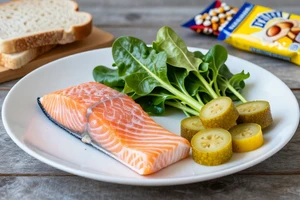
- Cooked vegetables: Gently cooked, non-starchy vegetables like carrots, zucchini, and spinach are often easier to digest than raw ones, providing fiber and antioxidants without excess irritation.
- Healthy fats: Avocado, olive oil, and fatty fish like salmon provide anti-inflammatory omega-3 fatty acids.
- Ginger and turmeric: These spices have long been used for their natural anti-inflammatory and soothing properties for the digestive tract.
Remember, your journey is unique. What triggers one person’s symptoms may be perfectly fine for another. The path to a happier gut is built on patience, observation, and a commitment to nourishing your body with kindness.