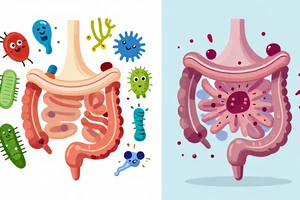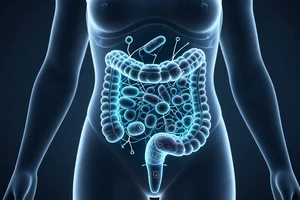

Your gut is more than just a digestive organ; it's a complex ecosystem teeming with trillions of microorganisms that influence everything from your mood to your immune system. Feeling curious—or concerned—about its state is a natural step toward taking charge of your overall well-being. The good news is that understanding your gut health is more accessible than ever, blending professional medical insight with simple at-home observations.
This guide walks you through the landscape of gut health assessment, from formal medical diagnostics you can discuss with a doctor to the daily signs your body provides. It’s not about self-diagnosis, but about becoming an informed partner in your own health journey.
When to Consider a Gut Health Check
Our bodies are remarkably communicative. Persistent digestive discomfort is often its way of signaling that something is off-balance. While occasional bloating or irregularity is normal, a pattern of symptoms warrants closer attention.
Consider exploring gut health testing if you regularly experience:
- Persistent bloating, gas, or abdominal pain
- Unexplained shifts between diarrhea and constipation
- Chronic fatigue or low energy that doesn’t improve with rest
- Frequent headaches or “brain fog”
- Skin conditions like eczema or acne that flare without clear cause
- New or worsening food intolerances
- Unexplained mood changes, such as increased anxiety or low mood
Think of these symptoms as clues, not conclusions. They are the starting point for a conversation with a healthcare professional, who can help rule out specific conditions and guide appropriate testing.
Professional Diagnostic Tests
If your symptoms are persistent, a doctor can recommend tests to look for specific, treatable conditions. These are not general “wellness” checks but targeted investigations.
Comprehensive Stool Analysis
Often ordered by gastroenterologists or functional medicine practitioners, this test provides a detailed snapshot of your gut’s inner workings. A sample is analyzed in a lab to assess digestion markers, levels of beneficial and harmful bacteria, presence of yeast, and markers of inflammation or immune function in the gut. It can identify imbalances like dysbiosis—an overgrowth of less-helpful microbes—or insufficient levels of key digestive enzymes.
Breath Tests
Simple and non-invasive, breath tests are commonly used to diagnose specific conditions. For Small Intestinal Bacterial Overgrowth (SIBO), you drink a sugar solution, and your breath is analyzed at intervals for hydrogen and methane gases, which are produced by bacteria fermenting in the small intestine. A similar test exists for lactose intolerance, measuring hydrogen produced when undigested lactose ferments in the colon.
Blood Tests
Blood work can screen for markers that point to gut-related issues. A doctor might check for celiac disease antibodies, inflammation markers like C-reactive protein (CRP), or nutrient deficiencies (like vitamin B12, iron, or vitamin D) that can result from poor gut absorption.
Endoscopy and Colonoscopy
These procedures allow a doctor to visually examine the lining of your upper or lower digestive tract. Using a small camera, they can look for physical signs of disease such as inflammation, ulcers, polyps, or celiac disease. Tissue samples (biopsies) can be taken for further analysis. These are typically recommended for investigating specific symptoms like persistent pain, bleeding, or significant changes in bowel habits.
The Power of Home Monitoring and Observation
While medical tests diagnose diseases, daily observation helps you understand your unique baseline and track how lifestyle choices affect you. This is about cultivating awareness, not replacing a doctor’s expertise.
Keep a Simple Symptom and Food Journal. For 1-2 weeks, note what you eat, your stress levels, sleep quality, and any digestive symptoms (bloating, gas, stool form, abdominal comfort). Use a simple notebook or an app. The goal isn’t to achieve perfection but to identify patterns. You might notice that high-stress days lead to bloating, or that certain foods consistently cause discomfort.
Learn the Bristol Stool Chart. This simple, visual scale classifies stool into seven types. Types 3 and 4 (like a smooth sausage or snake) are generally considered ideal. Consistently being at the harder (types 1-2) or looser (types 5-7) ends can indicate issues with transit time, fiber, or hydration. Tracking this can provide objective data on your digestive rhythm.
Pay Attention to Non-Digestive Signals. Your gut health echoes throughout your body. Note your energy levels after meals, the clarity of your skin, your mood stability, and the quality of your sleep. Improvements in these areas after positive dietary changes can be powerful indicators that you’re supporting your gut ecosystem.
Home monitoring turns vague feelings into tangible data. It empowers you to have more productive conversations with healthcare providers and make informed, incremental changes to your diet and lifestyle.
Understanding Direct-to-Consumer Microbiome Tests
Commercial at-home gut microbiome test kits have surged in popularity. You provide a stool sample, mail it to a lab, and receive a report detailing the types and relative abundances of bacteria in your gut.
These reports can be fascinating and educational, offering a glimpse into your microbial diversity. However, it’s crucial to interpret them with caution. The science of the microbiome is still young, and there is no single, universally agreed-upon “ideal” microbiome profile. Your report shows a snapshot in time, which can be influenced by recent diet, travel, or medication.
View these results as a piece of the puzzle—a conversation starter, not a diagnostic tool. They may highlight low microbial diversity, which is generally associated with poorer health outcomes, but they cannot diagnose specific diseases. Always review such findings with a qualified healthcare professional who can put them in context with your overall health.
Building a Gut-Healthy Lifestyle
Testing and observation are about gathering information. The real work—and the most rewarding part—lies in the supportive habits you build from that knowledge.
Focus on a diverse, fiber-rich diet. Different gut microbes thrive on different fibers. Aim for a colorful variety of fruits, vegetables, legumes, nuts, and whole grains. Include fermented foods like yogurt, kefir, sauerkraut, and kimchi, which contain live beneficial bacteria.
Manage stress mindfully. Chronic stress can directly alter gut motility, increase inflammation, and disrupt the microbial balance. Incorporating practices like daily walks, deep breathing, or meditation can have a profoundly positive impact on your digestive system.
Prioritize consistent, quality sleep and regular physical activity. Both are fundamental regulators of your circadian rhythm and inflammation levels, which in turn govern a healthy gut environment.
Remember, changes in gut health often happen gradually. Be patient and consistent. The most meaningful test is often how you feel day-to-day—more energy, better digestion, and a greater sense of vitality are the ultimate markers of success.