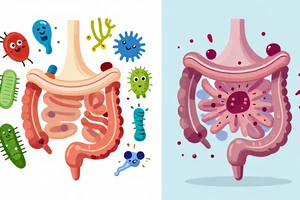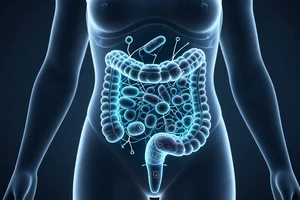
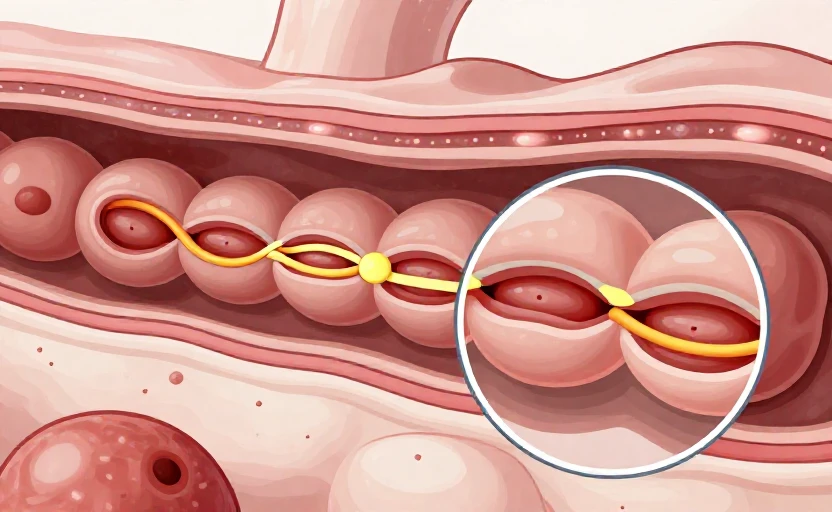
If you've been exploring the world of gut health, you've likely encountered the term 'leaky gut.' Officially known as increased intestinal permeability, it describes a condition where the lining of the small intestine becomes compromised, potentially allowing undigested food particles, toxins, and microbes to pass into the bloodstream. This can trigger inflammation and has been linked to a wide array of symptoms, from bloating and fatigue to joint pain and skin issues. Understanding how to approach testing for this condition is a common first step for many seeking answers.
It's important to frame this conversation carefully. While the concept is a legitimate area of scientific study, diagnosing 'leaky gut syndrome' as a standalone clinical condition is not universally standardized in conventional medicine. Instead, healthcare providers look for evidence of intestinal permeability within the context of your overall health picture. The path to clarity involves a blend of professional medical evaluation and thoughtful personal observation.
What Does Professional Testing Involve?
There is no single, definitive 'leaky gut test' that you can order at a standard lab. Diagnosis is typically a process of investigation. A knowledgeable practitioner, such as a gastroenterologist or a functional medicine doctor, will start with a thorough review of your health history and symptoms. They are looking for patterns that suggest gut barrier dysfunction, often in connection with conditions like irritable bowel syndrome (IBS), inflammatory bowel disease (IBD), celiac disease, or chronic stress.
From there, they may utilize specific tests to assess intestinal permeability and related factors.
The Lactulose-Mannitol Test
This is the most direct test for intestinal permeability and is considered the gold standard in research. It's a simple, non-invasive urine test. You drink a solution containing two sugar molecules: lactulose (a larger molecule) and mannitol (a smaller one). In a healthy gut with tight junctions, very little lactulose should pass through the intestinal lining into the bloodstream, while a predictable amount of mannitol is absorbed.
After several hours, your urine is collected and analyzed. A high ratio of lactulose to mannitol suggests that the intestinal barrier is more permeable than it should be, allowing the larger lactulose molecules to 'leak' through. It's a functional test that provides a snapshot of your gut's barrier integrity at that moment.
Comprehensive Stool Analysis
While not a direct permeability test, a detailed stool test can reveal crucial indirect evidence. It assesses the landscape of your gut microbiome—the balance of beneficial and harmful bacteria, the presence of yeast or parasites, and markers of inflammation and immune function in the gut.
An imbalanced microbiome (dysbiosis) is a primary driver of increased intestinal permeability. Finding and addressing these imbalances is often the first therapeutic step.
These tests can measure levels of secretory IgA, an antibody that plays a key role in gut immune defense. Low levels may indicate a compromised gut barrier struggling to protect itself.
Blood Tests for Inflammation and Immune Reactivity
Blood work can provide supporting clues. Markers like C-reactive protein (CRP) or zonulin (a protein that modulates tight junctions) may be elevated. Some tests also look for antibodies against components of the gut lining itself (like actomyosin) or against bacterial toxins like lipopolysaccharide (LPS), which can translocate into the bloodstream when permeability is high.
Furthermore, food sensitivity panels (not traditional IgE allergy tests) are sometimes used to identify IgG reactions to foods. The theory is that a leaky gut allows more food proteins into circulation, potentially provoking an immune response. The clinical utility of these IgG tests is debated, but some practitioners find them helpful as part of a larger elimination diet strategy.
Practical Steps for Home Monitoring and Insight
While you cannot formally diagnose a leaky gut at home, you can become a keen observer of your body's signals. This self-monitoring creates valuable data to share with your healthcare provider and guides lifestyle adjustments.
Start with a detailed symptom journal. Track not just digestive symptoms—bloating, gas, stool consistency, abdominal pain—but also seemingly unrelated issues like brain fog, headaches, skin flare-ups, joint stiffness, and energy crashes. Note their timing, severity, and potential triggers. The link between gut and systemic symptoms is a core piece of the puzzle.
The most powerful tool you have at home is the elimination diet. This isn't about random restriction; it's a structured experiment. By systematically removing common irritants—like gluten, dairy, refined sugars, alcohol, and processed foods—for a period of 3-4 weeks, you give the gut lining a chance to calm down and begin to repair.
The reintroduction phase is where the real testing happens. You add one food group back at a time, in a pure form, and monitor your symptoms closely for 2-3 days. A noticeable reaction (digestive distress, headache, return of fatigue) can be a strong indicator that a particular food was contributing to gut inflammation and permeability for you.
Pay attention to lifestyle factors that are well-known to impact gut barrier function:
- Stress Management: Chronic stress elevates cortisol, which can directly weaken tight junctions. Note how your symptoms correlate with stressful periods.
- Sleep Quality: Poor sleep disrupts gut repair cycles. Track your sleep and next-day gut feelings.
- Medication Use: Document your use of NSAIDs (like ibuprofen), antibiotics, or proton pump inhibitors, as all can affect the gut lining.
Putting It All Together: A Collaborative Approach
Navigating leaky gut is best done as a partnership. Your role is that of a dedicated investigator—tracking symptoms, implementing dietary and lifestyle changes, and gathering personal data. The role of a qualified healthcare provider is to help interpret that data, order appropriate tests to rule out other serious conditions (like celiac disease or IBD), and create a structured, safe plan for healing.
Healing the gut lining is a process, not an event. It revolves around removing irritants, replenishing with gut-supportive nutrients, rebalancing the microbiome with probiotics and prebiotics, and repairing the lining with compounds like L-glutamine, zinc, and collagen peptides. Your 'testing' continues as you observe how your body responds to these supportive measures over time, gradually moving toward less reactivity and greater resilience.