You check the label, see the sodium number, and think you are in the clear. But the truth is that sodium hides in many of the foods we eat every day—often in places you would never expect. Even products that do not taste salty can pack a surprising amount of sodium, and the front of the package does not always tell the full story.
Learning how to read a nutrition label for hidden sodium is a small skill that can make a big difference for your health, especially if you are watching your blood pressure or trying to eat a more balanced diet. Here is a straightforward guide to finding the salt that is hiding in plain sight.
Why Sodium Hides in Foods You Wouldn't Expect
Sodium is not just the salt shaker on your table. It is used as a preservative, a flavor enhancer, and a texture stabilizer in processed foods. This means that even sweet items like baked goods, breakfast cereals, and certain beverages can contain surprising amounts of sodium. The key is to stop assuming that only salty-tasting foods are the culprits.
A quick rule of thumb: If it comes in a box, a can, or a bag, check the label. The less processed a food is, the lower its sodium content typically is.
Reading Past the Front-of-Package Claims
Marketing language on the front of a package can be misleading. Phrases like “low sodium,” “reduced sodium,” or “no salt added” have specific legal definitions, but they are not all equally strict. For example:
- Low sodium: 140 mg or less per serving.
- Very low sodium: 35 mg or less per serving.
- No salt added: No salt was added during processing, but the food may still contain naturally occurring sodium.
Always flip the package over and look at the actual Nutrition Facts panel. The front is a headline; the back is the full story.
How to Read the Sodium Line on the Label
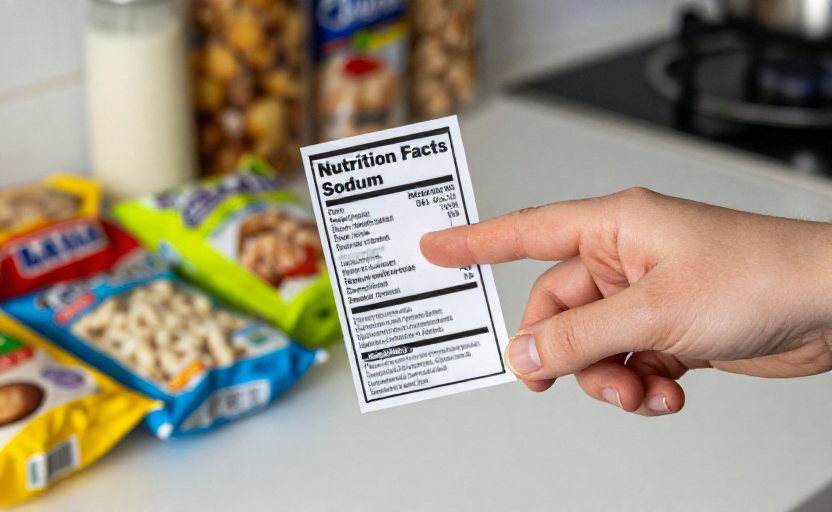
The Nutrition Facts label lists sodium in milligrams (mg) and as a percent of the Daily Value (%DV). Here is what to look for:
- %DV of 5% or less is considered low sodium per serving.
- %DV of 20% or more is considered high sodium per serving.
But the serving size is the trickiest part. Many packages contain more than one serving, so if you eat the whole container, you need to multiply the sodium by the number of servings you actually ate. A small bag of chips might list 150 mg of sodium per serving but contain three servings. That means you just ate 450 mg of sodium—about one-fifth of the daily recommended limit.
The Big Culprits: Foods Where Sodium Hides Most
Even if you avoid the salt shaker, you may still be eating more sodium than you realize. These are the most common sources of hidden sodium:
- Bread and rolls: A single slice can have 100–200 mg of sodium. Have a sandwich with two slices, and you are already at 400 mg before adding anything else.
- Cold cuts and cured meats: Deli turkey, ham, salami, and bacon are very high in sodium. Even “lower sodium” versions are still significant sources.
- Soup: Canned and boxed soups are notoriously high in sodium. A single cup can contain 800 mg or more—more than half the recommended daily limit.
- Pizza: The combination of crust, sauce, cheese, and cured meats makes pizza a sodium powerhouse. A single slice can have 500–700 mg.
- Sandwiches and burgers: Restaurant versions are often loaded with sodium from the bun, condiments, cheese, and meat.
- Snack foods: Pretzels, crackers, chips, and even some granola bars contain unexpected sodium.
- Condiments and sauces: Ketchup, mustard, soy sauce, salad dressings, and pasta sauces can add significant sodium without you noticing.
- Frozen meals: Many frozen dinners contain high sodium levels to preserve flavor and texture.
How to Compare Products in the Same Category
Not all brands are equal. A frozen pizza from one brand may have 600 mg of sodium per serving, while another brand’s same-style pizza may have 400 mg. The same goes for bread, soup, and canned vegetables. The easiest way to spot hidden sodium is to compare the sodium content of similar products side-by-side at the store. You may be surprised at the range.
When comparing, look at the mg per serving and the serving size. If the serving sizes differ (one soup is 1 cup and another is 1.5 cups), adjust the numbers so you are comparing equal amounts.
Hidden Sodium Names on the Ingredient List
Sodium goes by many names on an ingredient list. If you see any of the following, the product contains added sodium:
- Salt (sodium chloride)
- Monosodium glutamate (MSG)
- Baking soda (sodium bicarbonate)
- Baking powder
- Disodium phosphate
- Sodium alginate
- Sodium nitrate or sodium nitrite
- Sodium citrate
- Disodium inosinate or disodium guanylate (often used with MSG)
Products can contain several different sodium-containing ingredients, so even if the total sodium per serving looks moderate, the cumulative amount can add up if you eat multiple servings or multiple processed foods in a day.
Tips for Lowering Your Sodium Intake Without Losing Flavor
Cutting back on sodium does not mean eating bland food. Here are a few strategies to reduce your sodium intake while still enjoying your meals:
- Rinse canned beans and vegetables under cold water before using them. This can remove up to 40% of the sodium.
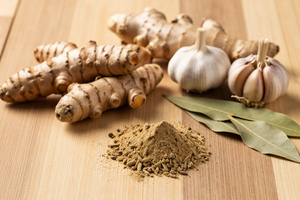
- Use herbs, spices, garlic, lemon juice, and vinegar to season food instead of salt.
- Choose fresh or frozen vegetables over canned versions when possible.
- Cook more meals at home so you control the salt.
- When eating out, ask for sauces and dressings on the side.
Remember: The daily recommended limit for sodium for most adults is less than 2,300 mg per day, with an ideal limit of 1,500 mg for those with high blood pressure or heart concerns. Every little bit of awareness helps.