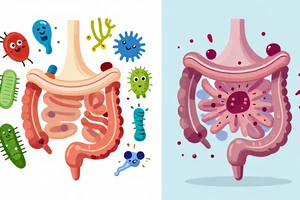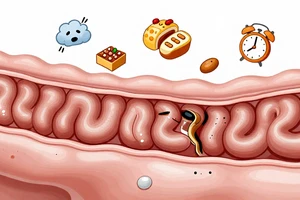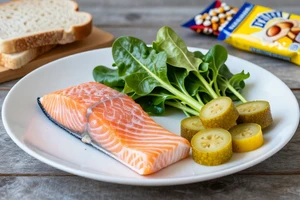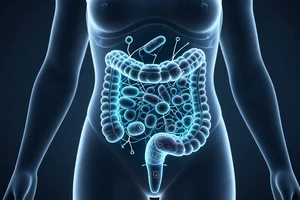
Feeling off, but can't quite pinpoint why? It might not be in your head—it could be in your gut. The trillions of bacteria, fungi, and other microbes living in your digestive system, collectively known as your gut microbiome, play a surprisingly central role in your overall well-being. From digestion and immune function to mood and energy levels, this internal ecosystem influences far more than just your stomach. When it's thrown out of balance—a state called dysbiosis—you might experience bloating, fatigue, skin issues, or a general sense of unwellness.
Restoring balance isn't about a single magic pill. It's a gradual process of creating an environment where beneficial microbes can thrive. Think of it like tending a garden: you can't force the plants to grow, but you can cultivate the soil, pull the weeds, and provide the right conditions for health to flourish. The strategies that follow are grounded in this principle of nourishment and support.
What Does a Balanced Gut Actually Mean?
Balance isn't about having only "good" bacteria and zero "bad" ones. A healthy gut is a diverse and resilient community. It's home to hundreds of different species, each with a role to play. Dysbiosis occurs when this community structure shifts—perhaps certain beneficial strains become scarce, or less helpful ones overgrow. This shift can be triggered by a course of antibiotics, a period of high stress, a diet consistently low in fiber, or even excessive alcohol.
The goal of restoration, then, is to encourage diversity and resilience. You're not sterilizing the garden; you're helping the most beneficial species become strong, established residents.
Feed the Good Guys: The Power of Prebiotics
Your beneficial gut bacteria need to eat. Prebiotics are the specific types of dietary fiber they ferment for fuel. Without enough prebiotics, your good microbes can't multiply and do their job effectively.
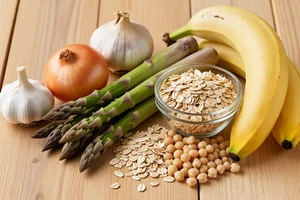
Increasing your intake of prebiotic-rich foods is one of the most direct ways to support your microbiome. These aren't exotic or expensive ingredients; they're often humble, everyday plants. Focus on incorporating more of the following:
- Alliums: Garlic, onions, leeks, and shallots.
- Certain vegetables: Asparagus, Jerusalem artichokes, jicama, and green (unripe) bananas.
- Whole grains: Oats and barley.
- Legumes: Chickpeas, lentils, and beans.
Aim to include one or two of these in your meals daily. Instead of seeing it as a restriction, view it as an opportunity to add more flavor and texture to your plate—caramelized onions in a frittata, a handful of chickpeas in a salad, or a slice of sourdough toast with your eggs.
Think of prebiotics as fertilizer for your inner garden. They don't contain live bacteria themselves, but they provide the nourishment your existing beneficial microbes need to grow.
Introduce Beneficial Strains: A Thoughtful Look at Probiotics
Probiotics are live microorganisms that, when consumed in adequate amounts, may confer a health benefit. They are the "seeds" you can add to your garden. They come in two main forms: fermented foods and supplements.
Fermented foods are a traditional and excellent source. Options like live-culture yogurt, kefir, sauerkraut, kimchi, kombucha, and miso contain a variety of live cultures. The key is to look for labels that say "live and active cultures" or are found in the refrigerated section, as shelf-stable versions may have been pasteurized, which kills the bacteria.
Probiotic supplements can be useful, particularly after a course of antibiotics or for specific strains researched for certain conditions. However, they are not a one-size-fits-all solution. The microbiome is complex, and research is still evolving on which strains are most effective for general balance.
If you choose to explore supplements, it's wise to consult with a healthcare provider. They can help you navigate the options and select a product with strains that have been studied for gut health support.
Create a Gut-Friendly Lifestyle
What you eat is paramount, but it's not the whole story. Your daily habits create the backdrop against which your microbiome either struggles or thrives.
Manage Stress Mindfully
Chronic stress doesn't just tense your shoulders—it can directly alter your gut bacteria composition and weaken the intestinal barrier. Incorporating stress-reduction practices is a non-negotiable part of gut healing. This doesn't require an hour of daily meditation (though that's wonderful if you can). It could be five minutes of deep breathing, a short walk in nature, or simply putting your phone away during meals to eat without distraction.
Prioritize Sleep
Your gut has its own circadian rhythm. Disrupted or insufficient sleep can throw this rhythm off and negatively impact your microbial community. Aim for consistent sleep and wake times, and create a dark, cool, and quiet environment to support deep, restorative sleep.
Move Your Body Regularly
Moderate, consistent exercise has been shown to increase the diversity of gut bacteria. The goal isn't intense, gut-wrenching workouts every day, but rather consistent movement—a daily walk, cycling, yoga, or dancing. Find something you enjoy so it becomes a sustainable part of your routine.
Be Cautious with Unnecessary Medications
While antibiotics are life-saving when necessary, they are non-discriminatory—they wipe out both harmful and beneficial bacteria. Only use them when prescribed by a doctor for a bacterial infection. Similarly, frequent use of over-the-counter NSAIDs (like ibuprofen) can irritate the gut lining. Use all medications as directed and discuss alternatives with your doctor if you have concerns.
Restoring gut balance is a journey of consistent, gentle support. It's about making more of the choices that nourish your microbial allies, day after day. Start small—perhaps by adding a prebiotic vegetable to your dinner or swapping a sugary snack for a cup of kefir. Listen to your body's signals, be patient with the process, and know that every positive choice contributes to a more resilient and balanced inner ecosystem.