
Standing in the grocery aisle, you grab a package that boldly says "High Protein" on the front. You flip it over, scan the nutrition facts panel, and immediately feel your eyes glaze over. Grams, percentages, serving sizes—it all blurs together. You are not alone. Food labels are dense, and protein claims can be especially tricky to decode. Knowing how to cut through the marketing noise is a straightforward skill that puts you back in control of your choices.
This guide walks you through the specific numbers and phrases that matter when you are shopping for protein, so you can confidently compare products and pick what actually fits your needs—without a nutrition degree.
Start With Serving Size—It Changes Everything
The very first line on any Nutrition Facts label is the serving size, and it is the most overlooked detail. A protein bar might list 20 grams of protein, but if that number is for two bars and you eat only one, you are getting half the amount. Similarly, a yogurt container may appear to be a single serving, but check the label: some small cups are technically two servings.
Always note the serving size in grams or milliliters, then compare it to how much you actually plan to eat. If the label says 30 grams of protein per 100 grams of product, that is a different density than 30 grams per 200 grams. Train your eye to look at both the number and the unit it sits next to.
Ignore the Front-of-Package Hype
"Excellent Source of Protein," "High Protein," "Protein-Rich"—these phrases are regulated but can still mislead. The FDA allows a product to claim "high protein" if 20% or more of its calories come from protein, but that does not tell you whether the total protein is substantial for a meal or snack. A 100-calorie snack that is 20% protein provides only 5 grams—not much for someone aiming to build or maintain muscle.
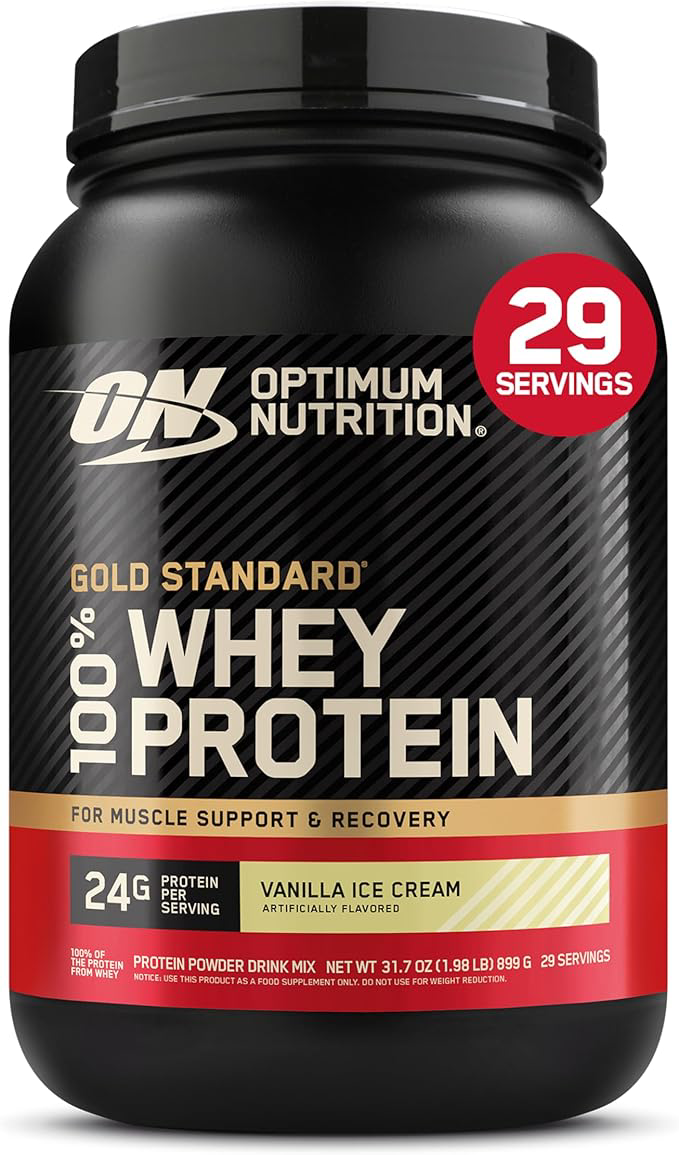
Your best move is to skip the front entirely and go straight to the back panel. The only numbers you can trust are printed in black and white on the Nutrition Facts table.
Read the Grams, Not the Percent Daily Value
Percent Daily Value (%DV) on a protein label is less useful than it is for fiber or sodium. The %DV for protein is based on 50 grams per day for a general 2,000-calorie diet, but many active individuals, older adults, or people focused on body composition need much more—sometimes 1.2 to 2.0 grams per kilogram of body weight. The %DV does not reflect your personal needs.
Focus on the actual grams of protein per serving. A good benchmark? Look for at least 15 to 20 grams of protein in a meal-sized product (like a frozen entrée or sandwich) and 8 to 15 grams in a snack (like a bar or yogurt). Adjust up or down based on your own goals, but always use grams as your anchor.
Check the Ingredient List for Protein Sources
The number on the label tells you quantity, but the ingredient list tells you quality. Protein can come from whole foods like chicken, eggs, milk, or beans, or from isolates and concentrates such as soy protein isolate, whey protein concentrate, or pea protein. There is no single "best" source—it depends on your digestion, allergens, and dietary preferences—but you want to see recognizable protein sources early in the list.
If a product lists sugar, oil, or fillers before its protein source, the protein content may be diluted. Also, be aware of "protein-spiking" where manufacturers add cheap amino acids (like glycine or taurine) to artificially boost the total protein number on the label. Legitimate protein-rich foods get their protein from whole ingredients or clean isolates, not from free-form amino acids that are counted as protein but offer less nutritional value.
A quick trick: If the ingredient list includes words like "collagen hydrolysate," "gelatin," or "free-form amino acids" near the top, the protein profile may be incomplete.
Compare Protein per Calorie and per Gram
Two products can both have 15 grams of protein, but one may pack 300 calories while the other has only 150. To get the most protein bang for your calorie budget, divide the grams of protein by the total calories per serving, then multiply by 100 to see the percentage of calories coming from protein. Lean options—like Greek yogurt, chicken breast, or tofu—often deliver 40% or more of their calories from protein.
Similarly, look at the protein density per gram of food. A product with 10 grams of protein per 100 grams of total weight is moderate; one with 20 grams per 100 grams is concentrated. This helps you choose whether you need a light snack or a dense protein source for recovery after a workout.
Don't Forget Sugar and Saturated Fat
A high-protein label does not automatically mean the product is healthy. Many protein bars, cereals, and meal replacements are also high in added sugar and saturated fat. If you are eating a protein bar to curb cravings, you do not want it to contain 15 grams of sugar—that is half a candy bar’s worth.
Set a quick filter for yourself: for most packaged foods, aim for less than 10 grams of added sugar per serving and no more than 2 to 3 grams of saturated fat. This keeps your protein choice aligned with overall wellness, not just macros.
Watch for Vegan and Plant-Based Protein Labels
Plant-based products often blend multiple protein sources (pea, brown rice, hemp, or soy) to create a complete amino acid profile. That is a good thing, because single plant proteins can be low in one or more essential amino acids. When reviewing a plant-based protein bar or powder, check that it lists at least two different plant protein sources in the ingredients. A single source like "pea protein isolate" may still be fine if it is fortified, but blends generally offer better nutritional balance.
Also, note that some plant-based products have lower protein digestibility compared to animal sources—meaning your body may absorb slightly less. Look for products that mention "protein digestibility corrected amino acid score" (PDCAAS) or "digestible indispensable amino acid score" (DIAAS) on the label or brand website if you want more detail.
Trust Your Own Math Over Marketing
At the end of the day, reading a protein label is a small math exercise—and you are perfectly capable of doing it. Multiply the grams of protein by 4 to get the calories from protein. Divide that by the total calories. Compare those numbers across brands. The front of the package is advertising; the back is data. Learn to read the data, and you will never be fooled by a protein claim again.