You've heard it a hundred times: eat your vegetables. But if you're boiling broccoli until it's army-green or roasting carrots at a scorching temperature, you might be stripping away the very vitamins and minerals you're trying to get. The good news is that you don't need a chemistry degree or a sous-vide machine to preserve nutrients. A few small shifts in how you prep and cook your produce can make a real difference.
We spoke with registered dietitians to get the straight story on heat, water, and timing. Here’s what they want you to know about getting the most out of your vegetables.
Why cooking method matters
Heat can break down cell walls, which sometimes makes nutrients more available—think lycopene in cooked tomatoes or beta-carotene in cooked carrots. But water-soluble vitamins like vitamin C and the B-complex group are sensitive to high heat and can leach into cooking liquid. The key is choosing a method that balances palatability with preservation. Dietitians generally agree that gentler, faster, and lower-moisture techniques are your best bet for everyday cooking.
Steaming: the Goldilocks method
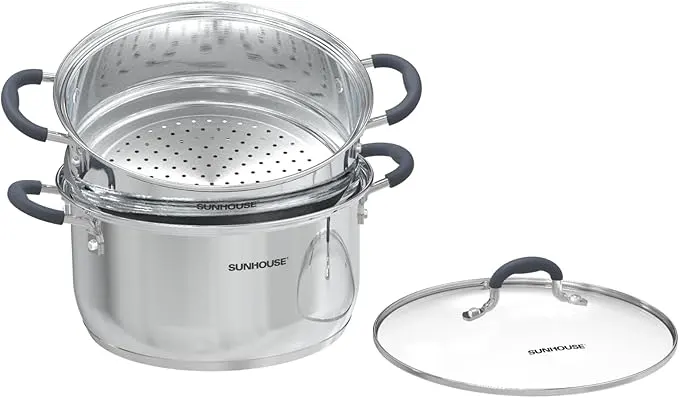
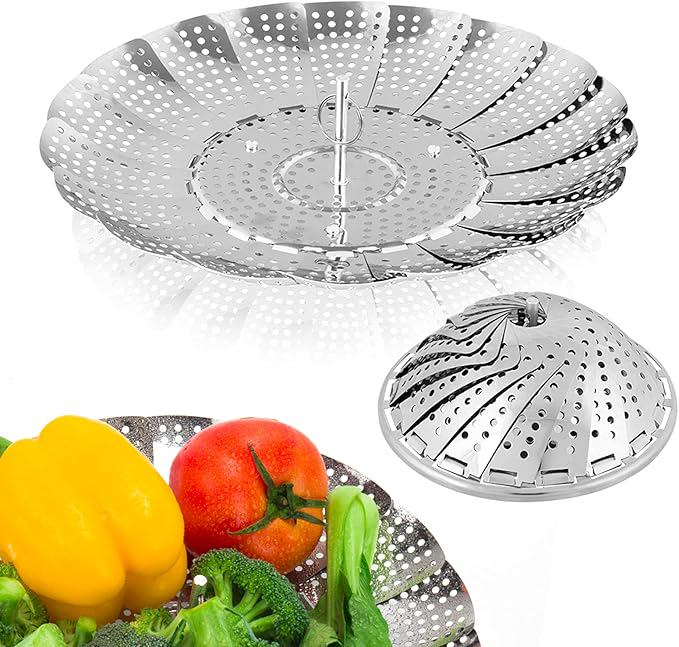
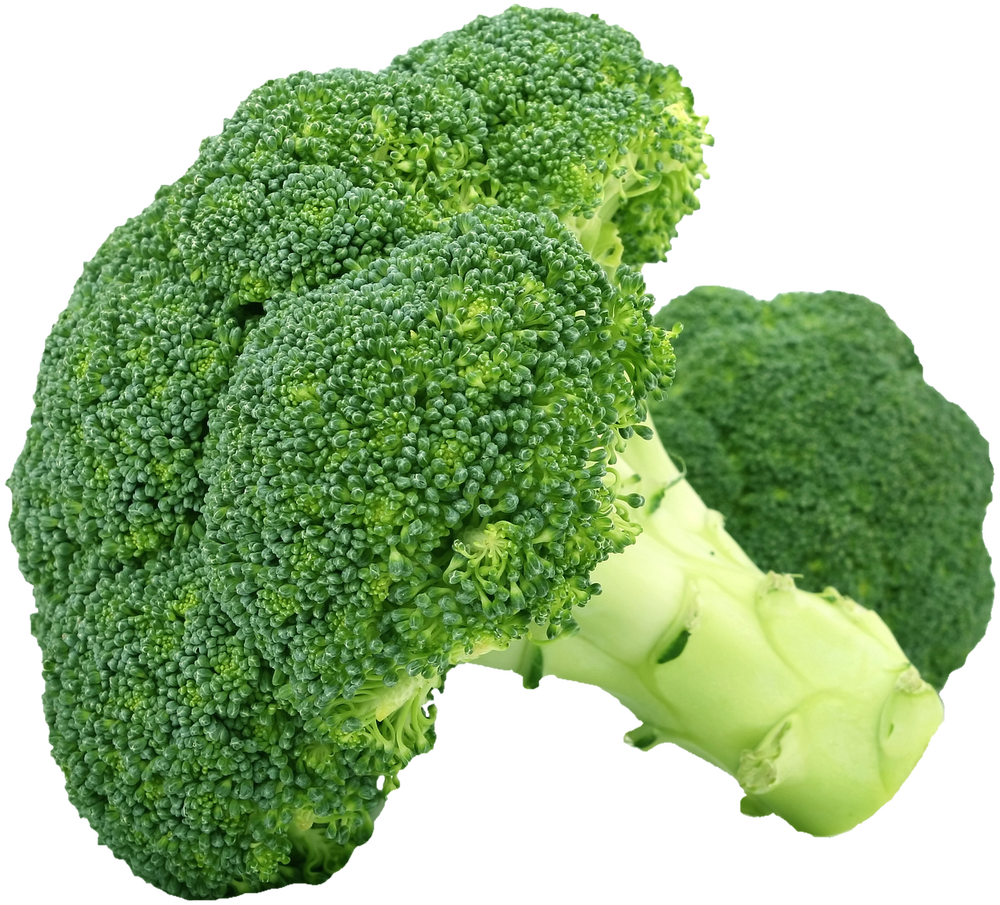
Steaming consistently tops dietitian lists because it uses minimal water and moderate heat for a short time. Studies suggest that steaming preserves more glucosinolates (the cancer-fighting compounds in cruciferous vegetables) than boiling does. The trick is to steam just until tender—about four to five minutes for broccoli florets, five to seven for green beans. Overcooking will still lead to nutrient loss, so pull them off the heat as soon as a fork meets slight resistance.
Quick tip: keep the lid on your pot to maintain a steady temperature and reduce cooking time.
Sautéing and stir-frying: quick and hot
Stir-frying in a small amount of healthy oil (like avocado or olive oil) exposes vegetables to heat for only a few minutes. This method can actually increase the absorption of fat-soluble vitamins A, D, E, and K. Because the cooking time is short and the contact with water is minimal, nutrient losses are usually low. The dietitians we spoke with recommend cutting vegetables into uniform pieces so they cook evenly and quickly.
Roasting: watch the temp
Roasting brings out deep, sweet flavors, but excessively high heat (above 400°F or 200°C) can degrade heat-sensitive vitamins. A better target is 375°F to 400°F, and roasting just until the edges are golden—not charred. Dietitians also point out that you can roast many vegetables without peeling them (think potatoes and carrots), since fiber and many nutrients reside in or just under the skin. Tossing them in a little oil helps the body absorb fat-soluble nutrients, but go easy: a tablespoon per sheet pan is plenty.
Boiling: the least efficient option
Boiling is convenient, but it’s also the method that tends to send the most water-soluble vitamins down the drain. One study found that boiling broccoli reduced its vitamin C content by roughly 34% in just five minutes. If you must boil—for soups or stocks, for example—use as little water as possible and keep the peel on when possible. Some experts suggest saving the cooking liquid to use as a base for soups or sauces, recapturing some of those lost nutrients.
Microwaving: surprisingly effective
Many people overlook the microwave, but dietitians point to research showing that microwaving can retain nutrients as well as—or better than—steaming. Because cooking times are short and very little water is needed, fewer vitamins leach out. A 2019 review of cooking methods found that microwaved vegetables consistently scored high for preserving antioxidants. Use a microwave-safe bowl with a splash of water and cover it loosely; three to four minutes is usually enough for a serving of broccoli or spinach.
Should you eat vegetables raw?
Eating raw vegetables certainly preserves the most water-soluble vitamins—there’s no heat to destroy them. But raw isn't always better. Some nutrients, particularly carotenoids and antioxidants, become more bioavailable after cooking. For example, cooked carrots provide more beta-carotene than raw ones, and cooked spinach releases more iron and calcium. A balanced approach is best: mix raw salads with cooked sides to get the benefits of both.
General rules from dietitians
- Cut vegetables larger. The more surface area exposed to heat and water, the more nutrients can escape. Larger chunks cook more slowly but lose fewer vitamins.
- Cook with the skin on whenever possible—it protects nutrients and provides extra fiber.
- Don't soak cut vegetables in water before cooking. Rinse them quickly and cook right away to minimize vitamin loss.
- Keep cooking times short. Bright color and a slight crunch are good indicators that you haven't gone too far.
- Use the cooking water in soups, stews, or grains to reclaim any vitamins that did leach out.
The bottom line
There is no single perfect way to cook every vegetable, but the principles are simple: minimize water, moderate the heat, and keep cooking time as short as possible. Steaming, stir-frying, microwaving, and moderate roasting all allow you to eat vegetables that taste good and still deliver the nutrients you're looking for. Pay attention to how your vegetables look and feel as they cook, and you'll quickly develop an intuitive sense for when they're done—and when they've gone too far.