Walking through the grocery store, it’s easy to feel overwhelmed by the sudden explosion of “probiotic” labels on everything from sparkling water to granola bars. But for someone just starting out, the real question isn’t which package has the trendiest claim—it’s which foods actually deliver live, beneficial bacteria to your gut in a meaningful way. The good news is that you don’t need a science degree or a specialty fridge to make smart choices. A few simple shifts in how you shop and eat can set you up for real results.
What Makes a Food Truly Probiotic?
First, a quick reality check: not every item with a friendly bacteria sticker on the front counts as a genuine probiotic food. True probiotic-rich foods contain live microorganisms that, when consumed in adequate amounts, can confer a health benefit—that’s the official definition agreed upon by experts. The key phrase is “adequate amounts.” A product might have a few million bacteria added after processing, but if most of them die off before you eat them—or can’t survive your stomach acid—you’re not getting much.
Therefore, the most reliable probiotic foods are traditionally fermented and never heat-treated after fermentation. Think of foods like yogurt, kefir, sauerkraut (the refrigerated kind, not the shelf-stable canned version), kimchi, miso, tempeh, and kombucha. These time-tested staples naturally develop robust microbial communities during fermentation, and they’ve been used for centuries before probiotics were a marketing buzzword.
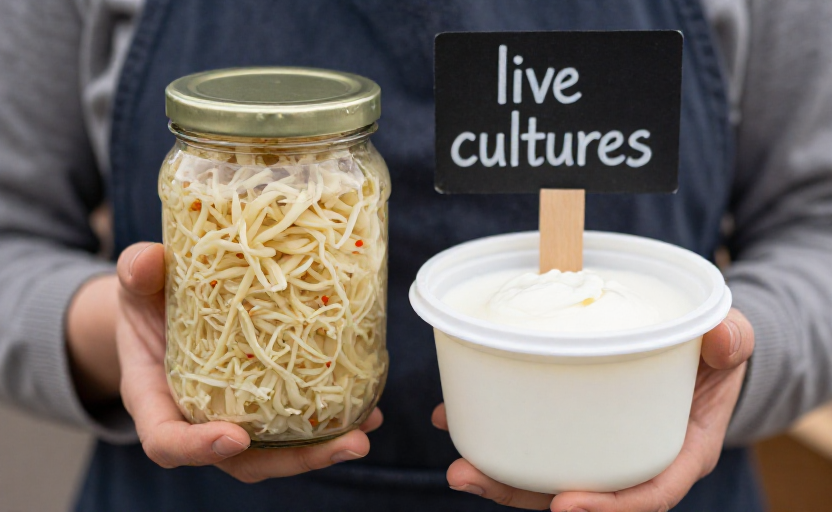
A simple rule: if it’s pasteurized after fermentation (common with some commercial pickles or jarred sauerkraut), the beneficial bugs are likely dead. Look for “live cultures,” “raw,” or “unpasteurized” on the label, especially for vegetable ferments.
Start With Fermented Dairy if You Tolerate It Well
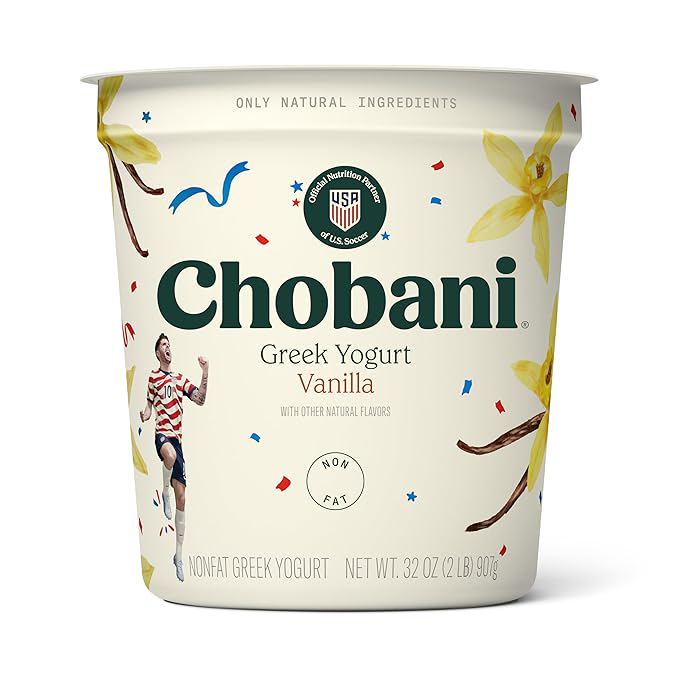
For most beginners, the easiest entry point is live-culture yogurt or kefir. These dairy ferments are widely available, familiar in taste, and generally well-tolerated even by people who are a bit lactose-sensitive because the fermentation process breaks down much of the lactose. A good-quality plain Greek yogurt with no added sugar can deliver several strains of beneficial bacteria, including Lactobacillus acidophilus and Bifidobacterium lactis.
When choosing yogurt, skip the fruit-on-the-bottom options loaded with sugar. Sugar can actually feed less desirable bacteria in your gut and can also stress the probiotic cultures themselves. Instead, buy plain and add your own fresh fruit or a drizzle of honey. For kefir, start with a small serving—about half a cup—to see how your digestive system responds. It’s more tart and effervescent than yogurt, and packed with a wider variety of microbes.
If dairy isn’t your friend, try coconut milk yogurt with live cultures or water kefir, which is a non-dairy fermented beverage that can be made at home or found in specialty stores. Just be sure to check the label for the phrase “live and active cultures.”
Explore Vegetable Ferments for Diversity
Once you’re comfortable with dairy ferments, adding vegetable-based probiotics can broaden the range of bacteria reaching your gut. Sauerkraut and kimchi are excellent options. The key is to look for unpasteurized versions found in the refrigerated section of the store—usually sold in jars or pouches rather than cans. Pasteurized sauerkraut, which sits on an unrefrigerated shelf, has been heat-treated and contains no live microbes.
Kimchi, a spicy Korean staple, is especially rich in Leuconostoc, Weissella, and Lactobacillus strains. It works beautifully as a side dish with eggs, rice bowls, or stir-fries. Start with a small spoonful to let your gut adjust, especially if you’re not used to fermented or spicy foods. Raw, fermented pickles (in brine, not vinegar) are another option, though harder to find—again, they must be refrigerated and unpasteurized.
These vegetable ferments have an added perk: they deliver fiber and prebiotics (the food for probiotics) naturally, which helps the good bacteria survive and thrive once they reach your colon.
Don’t Overlook Miso, Tempeh, and Kombucha
Miso paste, made from fermented soybeans, is a probiotic powerhouse if you buy it unpasteurized. Many traditional miso brands found in the refrigerated section are alive with Aspergillus oryzae and Bacillus species. Use it to make a simple soup—just don’t boil the miso after adding it, or you’ll kill the beneficial cultures. Tempeh, a fermented soybean cake with a nutty flavor, contains a different set of microbes and is also high in protein and fiber. It’s versatile: crumble it into salads, sauté it with vegetables, or slice and pan-fry it for sandwiches.
Kombucha, a fermented tea, is popular but can be a bit tricky. Many store-bought kombuchas are pasteurized or filtered, which removes the live bacteria and yeast. And even raw kombucha can be high in sugar and acid, which may irritate a sensitive stomach. If you enjoy it, treat it as a small, occasional beverage—four to six ounces a day is plenty—and look for raw, unpasteurized bottles with no added flavors or sweeteners. You can also brew your own at home with a starter SCOBY, giving you full control over ingredients.
Read Labels Like a Pro
To pick the best probiotic-rich foods, you need to look past the front-of-pack claims. Here’s what to check on the back:
- Live cultures statement: The best labels explicitly say “contains live and active cultures” or “raw” or “unpasteurized.”
- Refrigeration required: Most live probiotics need to stay cold to survive. If it’s on a shelf at room temperature and not a dry ferment (like sourdough starter), it probably isn’t alive.
- Ingredients list: Fewer ingredients is usually better. Avoid added sugars, syrups, and artificial thickeners, which can crowd out the actual food and stress the microbes.
- Strain names: You don’t need to memorize these as a beginner, but seeing specific genus and species names (e.g., Lactobacillus casei) is a good sign that the manufacturer has put thought into the culture.
Gradual Introduction and Consistency Matter More Than Quantity
Perhaps the most important expert advice for beginners is this: start slow and be consistent. Eating a whole jar of kimchi on day one won’t speed up results—it’s more likely to cause bloating, gas, or digestive upset. Instead, incorporate small amounts of one or two fermented foods into your daily meals. A spoonful of sauerkraut on a sandwich, half a cup of kefir in a smoothie, or a tablespoon of miso in your soup. Over two to four weeks, your gut microbiome will begin to adapt, and you can increase the serving sizes if you feel comfortable.
Consistency is key because probiotics don’t permanently colonize your gut—they pass through, providing benefits along the way. You need to keep eating them regularly to maintain the effect. Think of it like watering a garden: one big drenching won’t keep plants alive for the whole season. Small, frequent waterings work best.
Pair Probiotics With Prebiotics for Best Results
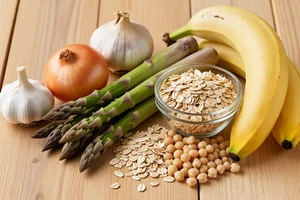
Finally, to get the most out of any probiotic-rich food, eat it alongside prebiotic foods—these are fibers and compounds that feed the good bacteria. Garlic, onions, leeks, asparagus, bananas, oats, and Jerusalem artichokes are excellent sources. A simple dinner of tempeh stir-fry with onions, garlic, and asparagus gives you both probiotics and prebiotics in one meal. Or top your morning yogurt with a sliced banana and a sprinkle of oats.
When you feed the microbes you’re consuming, you dramatically increase the chance that they’ll survive and have a positive impact on your digestion, immunity, and overall well-being. It’s a small habit that makes a big difference—and it’s exactly the kind of practical, research-backed advice that helps beginners build a sustainable probiotic routine.