
Walk down the supplement aisle and you'll see shelf after shelf of fish oil bottles. Some promise heart health, others swear by brain function, and many claim to support joint mobility. But here's the catch: not all fish oil supplements deliver what they advertise. The difference between a high-quality, effective supplement and a bottle of expensive oil that does very little often comes down to a few specific details that are easy to overlook.
Experts in nutrition and lipid chemistry agree that purity, form, concentration, and freshness are the real markers of a fish oil that actually does something in your body. If you are looking for a genuine health benefit from fish oil, you need to know what to look for on the label and what to avoid. Here is a practical, expert-backed guide to making the right choice.
What Makes a Fish Oil Supplement Effective?
The main active ingredients in fish oil are two long-chain omega-3 fatty acids: eicosapentaenoic acid (EPA) and docosahexaenoic acid (DHA). These are the molecules that research links to reduced inflammation, cardiovascular support, and cognitive health. The problem is that many supplements contain very little EPA and DHA per serving, filling the capsule instead with cheaper oils or unnecessary fillers.
Check the Milligrams of EPA and DHA, Not the Total Oil Dose
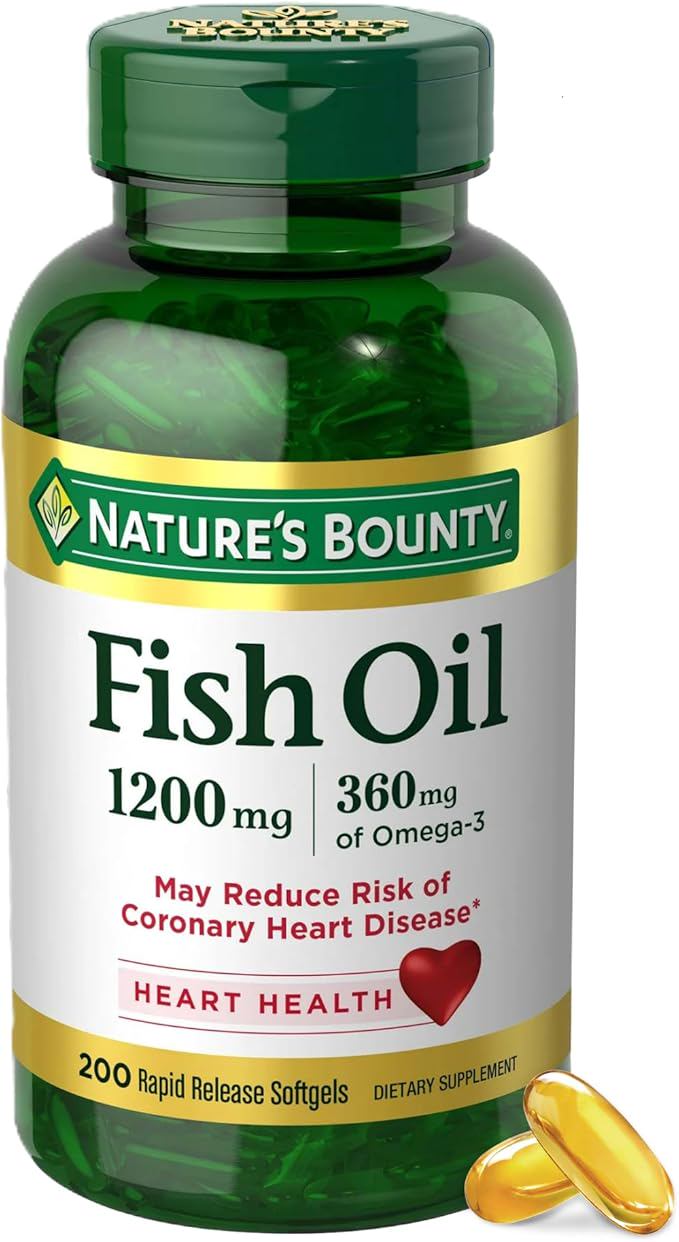
This is the most common mistake people make. A softgel label might say "1,200 mg fish oil," but if you flip it over to see the supplement facts, the combined EPA and DHA could be as low as 300 mg. The rest is often just oil that your body does not need. For a supplement to be considered effective for general wellness, experts typically suggest looking for a total of at least 500 mg of combined EPA and DHA per serving. Many therapeutic doses go higher, but the key takeaway is that you should always compare the actual omega-3 content, not the total oil weight.
Understand the Molecular Form: Triglyceride vs. Ethyl Ester
Fish oil naturally exists in the triglyceride (TG) form. However, many cheap supplements are processed into ethyl esters (EE) to concentrate the EPA and DHA, which makes the oil cheaper to produce but harder for your body to absorb. Some studies suggest that triglyceride-form fish oil has superior bioavailability, meaning your body actually uses more of the omega-3s you swallow.
Look for labels that specifically state "triglyceride form" or "re-esterified triglycerides." If the label is silent on the form, it is very likely ethyl ester, which is less absorbable. Some premium brands also use a process called re-esterification to convert ethyl esters back into a natural triglyceride structure, which can be even more absorbable than standard fish oil.
How to Verify Purity and Freshness
Fish oil is susceptible to oxidation—essentially, it can go rancid. Taking oxidized fish oil may not only be ineffective but could potentially add pro-inflammatory compounds to your system instead of anti-inflammatory ones. Freshness matters.
Look for Third-Party Testing Markers
Reputable supplement companies send their fish oil to independent labs for testing. Look for seals from organizations like the International Fish Oil Standards Program (IFOS), USP, or NSF International. These third-party verifications confirm that the oil is within acceptable limits for peroxides, heavy metals (like mercury and lead), PCBs, and dioxins.
If a brand does not publish its oxidation values or purity certificates on its website or on the product label, it is a red flag. Some brands will even allow you to scan a QR code on the bottle to view the specific batch's certificate of analysis. That is the gold standard for transparency.
Use Your Senses
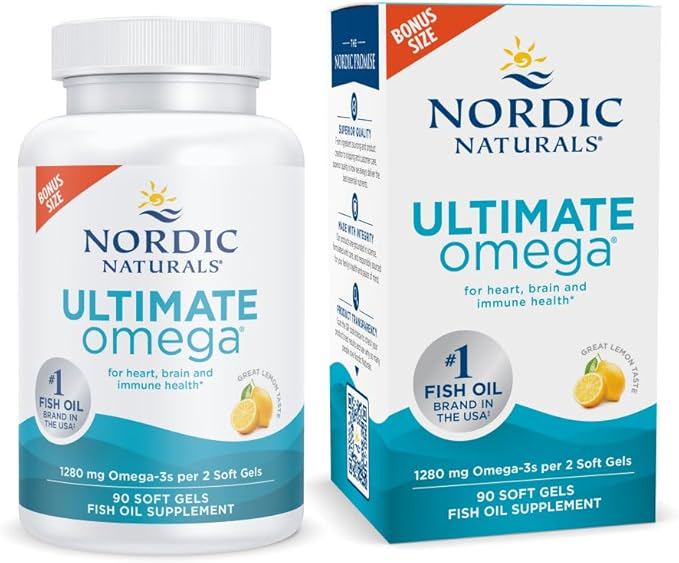
High-quality fish oil should not taste or smell strongly fishy. If a capsule smells bad, it is likely oxidized. Some brands add natural lemon or orange oil to mask the flavor and prevent burping, but that is different from a strong rancid odor. If you cut open a capsule and it tastes bitter or overwhelmingly fishy, you should not consume it.
What About Sustainability and the Source?
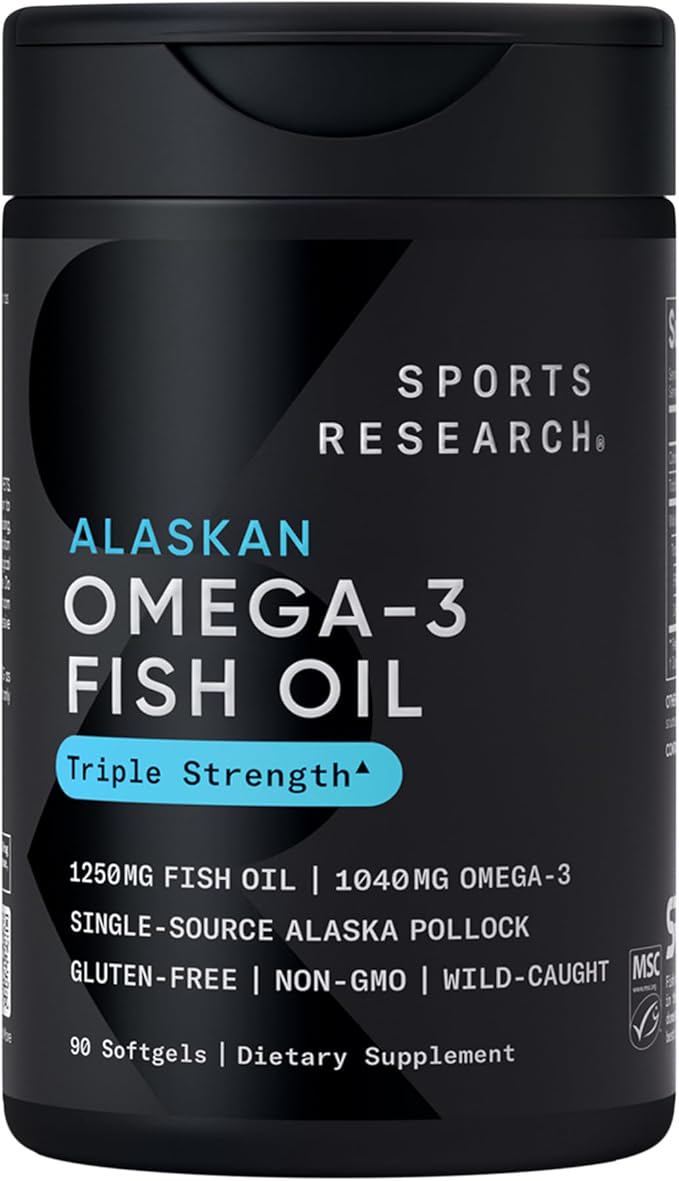
The effectiveness of your fish oil also depends on the quality of the fish it came from. Fish that are wild-caught and sourced from clean waters tend to produce cleaner, more stable oil. Look for brands that specify the fish species (anchovies, sardines, and mackerel are common sustainable choices) and that carry certifications from the Marine Stewardship Council (MSC) or Friend of the Sea.
Algae-based omega-3 supplements are also available for vegetarians and vegans, though they typically provide DHA with very little EPA. For most people, fish oil from small, oily fish remains the most balanced source of both EPA and DHA.
Common Mistakes to Avoid When Choosing Fish Oil
- Assuming all brands are the same. Quality varies wildly between a budget store brand and a tested, transparent manufacturer. Paying a little more for verified quality is often worth it.
- Ignoring the serving size. Some products require you to take three or four large capsules to get a meaningful dose. Compare the dose per softgel before you buy.
- Overlooking the expiration date. Fish oil degrades over time. Always check the date and buy from a store with high turnover to ensure freshness.
- Not checking for added ingredients. Some supplements contain unnecessary additives, fillers, or hydrogenated oils. A clean label with minimal ingredients is a good sign.
Putting It All Together
Choosing a fish oil supplement that actually works is not complicated, but it does require a few minutes of label reading. You want a product that lists a meaningful amount of EPA and DHA (not just total fish oil), is in the triglyceride molecular form, has been third-party tested for purity and freshness, and comes from a sustainable source. If a bottle checks those boxes, it is very likely to provide the benefits you are looking for. If it does not, you are probably better off spending your money elsewhere.