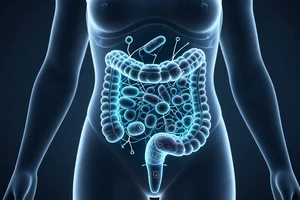
Fermented foods like kimchi, kombucha, and sauerkraut are celebrated for their gut-friendly probiotics. Yet for many people, the first few servings come with an uncomfortable surprise: bloating, gas, or a feeling of fullness that seems to defeat the purpose. You are not imagining it, and you are not alone.
The good news is that this digestive response is usually temporary, and a few strategic adjustments can help your gut adapt without the puffiness. Here is how to incorporate fermented foods into your daily meals while keeping your stomach flat and happy.
Why fermented foods can cause bloating at first
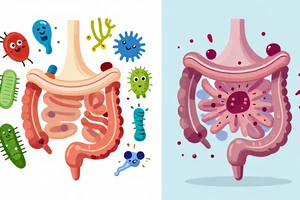
When you eat fermented foods, you are introducing live bacteria into an ecosystem that may not be used to them. These microbes begin fermenting fiber and other undigested carbohydrates in your colon, producing gas as a byproduct. This is a sign that your gut microbiome is waking up and diversifying, but the process can cause temporary distension.
The key variable is dosage. Most people start with too much, too fast. A single serving of sauerkraut or a full bottle of kombucha can overwhelm a gut that is accustomed to a low-ferment diet. Experts recommend starting with a teaspoon-sized portion and gradually working up over a period of one to two weeks.
The type of fermentation matters too. Vegetables fermented in brine (like pickles or kimchi) tend to cause less bloating than dairy ferments like yogurt or kefir, especially for those with mild lactose sensitivity. Water kefir and kombucha are often the gentlest options for beginners.
Start small and listen to your body
The golden rule for adding fermented foods without bloating is to begin with one teaspoon or one tablespoon per day, paired with a meal. Eating fermented foods on an empty stomach can amp up the gas production because the bacteria hit your gut without buffer foods to slow them down.
By mixing a small spoonful of sauerkraut into a bowl of rice or adding a splash of brine to a salad dressing, you give your microbiome time to adjust. After three or four days of no discomfort, you can double the serving. Keep increasing slowly until you reach a serving size that feels good.
One helpful sign to watch for: if bloating persists for more than two weeks at a very low dose, the issue may not be the probiotics themselves but a different component in the food. For example, some people react to the histamines in aged ferments or to the high sodium content in brined vegetables. In those cases, switching to a lower-histamine ferment like fresh sauerkraut or trying a reduced-sodium option can make a difference.
Quick tip: If you feel gassy after eating fermented foods, try taking a short walk or doing a gentle twist stretch to help move gas through the digestive tract. Movement can ease discomfort better than lying down.
Choose your ferments wisely
Not all fermented foods are created equal when it comes to bloat potential. Yogurt and kefir contain live cultures but also lactose, which can be problematic if you are lactose intolerant. Lactose-free yogurts and coconut-based kefir provide probiotics without the dairy trigger.
Kombucha is a popular choice, but it contains carbonation, which can cause immediate gas in the stomach regardless of the probiotics. If carbonation gives you bloating, try letting your kombucha sit open for ten minutes before drinking to let some bubbles escape, or dilute it with still water.
Vegetable ferments like kimchi, sauerkraut, and fermented pickles (the kind in the refrigerator case, not vinegar-pickled shelf-stable jars) are naturally low in lactose and usually well-tolerated. They also contain fiber, which helps regulate digestion over the long term.
For those who want a very gentle introduction, consider: miso paste stirred into soup, tempeh crumbled into stir-fries, or a mild spoonful of yogurt with a little honey. These options deliver probiotics in small, meal-integrated doses.
How to read a label for real fermentation
Many products marketed as “fermented” are actually pasteurized after fermentation, which kills the live cultures. To ensure you are getting active probiotics, look for labels that say “live cultures,” “unpasteurized,” or “raw.” Shelf-stable pickles and sauerkraut in the center aisle are often vinegar pickles, not true ferments. The real goods are typically refrigerated.
Pair fermented foods with prebiotics for balance
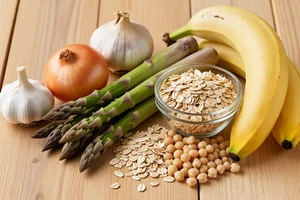
Probiotics need food to thrive, and that food comes from prebiotics: fibers found in onions, garlic, leeks, asparagus, bananas, oats, and artichokes. Adding a small amount of prebiotic-rich food to your fermented dish helps the good bacteria settle in more smoothly and can actually reduce bloating over time.
For example, top a bowl of plain yogurt with sliced banana and a sprinkle of oats, or add a little garlic to your kimchi fried rice. The key is keeping the prebiotic portion moderate at first—too much fiber all at once has its own bloat effect.
Hydration also plays a role. Fermented foods are often high in sodium, which can cause water retention and a puffy feeling in some people. Drinking plenty of water throughout the day helps flush extra sodium and supports digestion.
When to pause or adjust
If bloating is severe or accompanied by cramping, diarrhea, or nausea, stop the fermented foods for a few days and resume at a lower dose—or try a different type. Some people simply do not tolerate certain bacterial strains, just as others tolerate lactose poorly. This is individual and not a sign that fermented foods are bad for you.
If you have irritable bowel syndrome (IBS), consult with a registered dietitian before making significant changes. Some fermented foods are high in FODMAPs, which can trigger symptoms in sensitive individuals. For example, garlic and onion often used in kimchi and sauerkraut are high-FODMAP, while sauerkraut made with only cabbage and salt is usually low-FODMAP.
How to build a bloat-free fermented food routine
- Days 1–3: Start with one teaspoon of a low-sodium, unpasteurized vegetable ferment (like sauerkraut or brine-only pickles) with a meal.
- Days 4–7: Increase to one tablespoon if no bloating. Try adding a splash of miso to broth or a small serving of yogurt.
- Week 2: Experiment with a second type, like a few ounces of flat kombucha or a small serving of kefir, but never double two ferments on the same day.
- Ongoing: Listen to your body. If you feel good, you can gradually add a serving of fermented food to most meals, but even a small daily dose is enough for maintenance.
The goal is not to overwhelm your system but to create a sustainable habit. Many people find that a single serving of fermented vegetables or yogurt per day keeps their digestion running smoothly without any puffiness once the adjustment period passes.