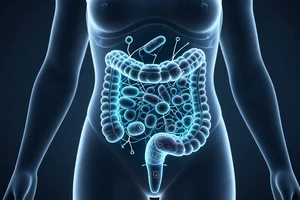
We hear a lot about probiotics—the live beneficial bacteria we can get from yogurt, kefir, and supplements. But those friendly microbes need to eat once they settle into your digestive tract. That is where prebiotic fiber comes in. Think of prebiotics as the fertilizer for your internal garden. They are specific types of dietary fiber that resist digestion in the small intestine, traveling to the colon where your gut microbes ferment them into fuel.
This is not a passing wellness trend. The connection between prebiotic fiber and a thriving gut microbiome is backed by decades of nutritional science. When your gut bacteria break down these fibers, they produce short-chain fatty acids (SCFAs) like butyrate, acetate, and propionate. These compounds do more than feed your colon cells—they influence your immune system, reduce inflammation, and even support mood regulation. Understanding which fibers do the job and how to add them to your plate is the practical part of the equation.
What makes a fiber prebiotic?
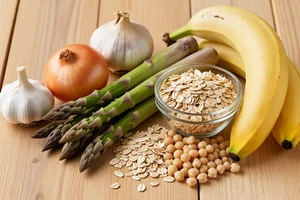
Not all fiber is created equal. A fiber qualifies as prebiotic when it passes undigested through the upper gut and gets selectively used by beneficial bacteria in the colon. The most researched prebiotic fibers include inulin, fructooligosaccharides (FOS), and galactooligosaccharides (GOS). You will find these naturally in foods like chicory root, Jerusalem artichokes, garlic, onions, and legumes.
Resistant starch is another important type. It resists digestion in the small intestine and feeds bacteria in the same way. Cooked and cooled potatoes, green bananas, and cooked-then-cooled rice are practical sources. The key is that your own digestive enzymes cannot break these fibers down—only your gut microbes have the tools to do it.
Short-chain fatty acids from prebiotic fermentation are the primary fuel source for the cells lining your colon. Without enough prebiotic fiber, those cells may not function optimally.
How fermentation benefits your whole body
When gut bacteria ferment prebiotic fiber, the resulting SCFAs lower the pH of the colon. A slightly acidic environment discourages the growth of potentially harmful bacteria while favoring beneficial species like Bifidobacterium and Lactobacillus. This is one reason why a fiber-rich diet is linked to better digestive regularity and reduced risk of colon issues over time.
The benefits do not stop at the gut. Butyrate, for example, strengthens the gut barrier—the thin layer of cells that separates your bloodstream from the contents of your intestines. A stronger barrier means fewer undigested particles or toxins leaking into circulation, a condition known as leaky gut. Emerging research also suggests that SCFAs influence how your body responds to insulin and how your immune system regulates inflammation.
Practical ways to add prebiotic fiber to your day
You do not need a perfect diet or exotic ingredients. Small, consistent additions make a meaningful difference. Here are a few approaches that fit into everyday eating patterns:
- Start with garlic and onions. Chop them into soups, stir-fries, or salad dressings. Even a clove of garlic crushed into a sauce adds inulin. Cooking reduces their pungency but does not destroy the prebiotic fiber.
- Add a serving of legumes. Lentils, chickpeas, black beans, and kidney beans are packed with galactooligosaccharides. Half a cup several times per week provides steady fuel for gut bacteria.
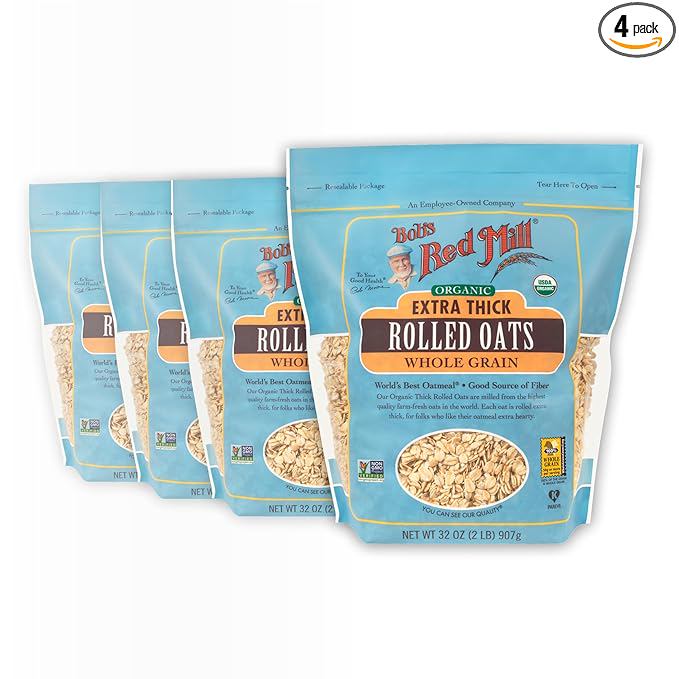
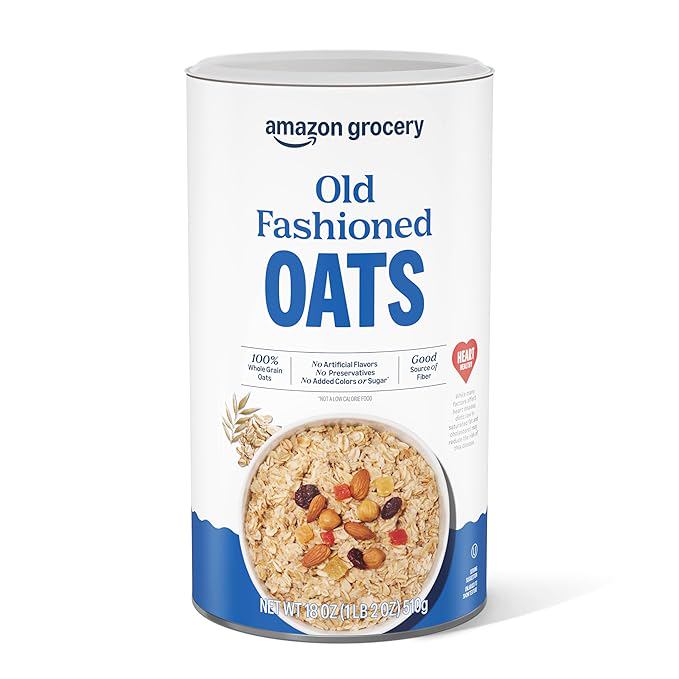
- Use whole grains. Barley, oats, and whole wheat contain beta-glucan and other fermentable fibers. Choose intact grains or minimally processed versions when possible.
- Try cooked and cooled starches. Let potatoes, rice, or pasta cool after cooking. The cooling process increases resistant starch content. Reheating them is fine—the resistant starch remains stable.
Start low and go slow to avoid discomfort
One mistake people make is adding large amounts of prebiotic fiber all at once. Because these fibers are highly fermentable, a sudden increase can cause bloating, gas, and cramping. Your gut bacteria need time to adjust. If you are new to high-fiber eating, begin with one or two servings per day and gradually increase over several weeks.
Drinking enough water also helps fiber move through your digestive system smoothly. Without adequate hydration, increasing fiber can backfire and lead to constipation rather than regularity. Aim for a glass of water with each high-fiber meal or snack.
Prebiotic supplements: when they make sense
Whole foods should always be the first choice. They provide a range of fibers, vitamins, and phytonutrients that supplements cannot replicate. However, a prebiotic supplement can be a practical option for people who struggle to eat enough fibrous foods due to a restricted diet, travel, or digestive conditions.
Look for products with a single ingredient like inulin from chicory root or partially hydrolyzed guar gum. Avoid blends with artificial sweeteners and fillers. Start with a half serving or less than the label recommends to see how your body responds. Supplements are a tool, not a replacement for diverse whole foods.
Frequently asked questions about prebiotic fiber
Do I need both prebiotics and probiotics?
Yes, they work best together. Probiotics introduce beneficial bacteria, while prebiotics supply the food those bacteria need to survive and multiply. This combination is called a synbiotic effect. Eating yogurt (probiotic) topped with a sliced banana (prebiotic resistant starch) is a simple example.
Can I get too much prebiotic fiber?
In theory, very high doses from supplements can cause intestinal distress, but it is almost impossible to overdo prebiotic fiber from whole foods alone. Your digestive system will signal discomfort before harmful levels are reached. Listen to your body and scale back if bloating or gas becomes persistent.
How quickly will I notice changes?
Some people notice improved regularity within a few days. Broader benefits like better energy or reduced bloating may take several weeks as your gut bacteria populations shift. Consistency matters more than quantity.
Is prebiotic fiber safe for people with IBS?
Some prebiotic fibers, especially inulin and fructans, can trigger symptoms in people with irritable bowel syndrome. A low-FODMAP approach temporarily restricts these fibers, but many people with IBS can tolerate small amounts of resistant starch or GOS from sources like oats and green bananas. Work with a dietitian to identify your personal tolerance.