Protein has earned a reputation as the superstar nutrient, and for good reason. It builds and repairs muscle, supports immune function, and helps keep you full between meals. But with protein bars, powders, and high-protein everything lining the shelves, it's easy to wonder: are you getting enough—or maybe too much? Let's clear up the confusion.
The short answer is that most healthy adults need somewhere between 0.8 and 1.2 grams of protein per kilogram of body weight each day. If you're active, older, or trying to build muscle, your needs may be on the higher end. But the real question is how to translate that into actual meals without turning your kitchen into a lab. Here's what a dietitian wants you to know.
What does 0.8 grams per kilogram look like?
First, a quick math check. To find your weight in kilograms, divide your weight in pounds by 2.2. Multiply that number by 0.8 for a baseline. For example, a 150-pound person weighs about 68 kilograms. At 0.8 grams per kilogram, they'd need roughly 54 grams of protein a day. That's not a massive number—it's about the amount in a chicken breast plus a cup of Greek yogurt and an egg.
But that's the minimum for basic health. If you're exercising regularly, recovering from an injury, or over the age of 65, your body uses protein more efficiently at higher intakes. Many experts now suggest 1.2 to 1.6 grams per kilogram for active individuals and older adults to preserve lean mass and support recovery.
Can you eat too much protein?
For most healthy people, there is a wide safety margin. The body simply excretes excess nitrogen from protein breakdown, and what you don't need isn't stored as muscle—it's stored as fat if you're eating more calories than you burn. Very high intakes (above 2 grams per kilogram for extended periods) can stress the kidneys over time, especially in people with pre-existing kidney concerns. But for the average person, spreading protein across meals is more important than worrying about an upper limit.
A practical tip: aim for 20 to 30 grams of protein at each meal rather than loading up at dinner. This supports steady muscle protein synthesis throughout the day.
Where should your protein come from?
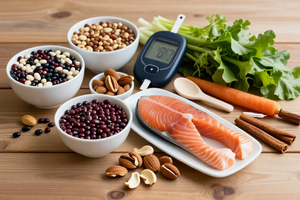
Animal sources like chicken, fish, eggs, and dairy are considered complete proteins because they contain all essential amino acids. Plant sources like beans, lentils, tofu, quinoa, and nuts can also meet your needs, but you may need to combine different types or eat slightly larger portions to get the full amino acid profile. Soy and quinoa are exceptions—they're complete plant proteins on their own.
Timing and distribution matter
Your body doesn't store protein the way it stores carbohydrates or fat. That means eating a 10-ounce steak at dinner after skipping protein at breakfast and lunch isn't ideal. Spreading protein evenly across three meals and one snack helps your muscles get a steady supply of amino acids. A simple goal: include a palm-sized serving of protein at breakfast, lunch, and dinner.
- Breakfast: eggs, Greek yogurt, cottage cheese, or a tofu scramble
- Lunch or dinner: chicken, fish, lean beef, lentils, chickpeas, or tempeh
- Snacks: a handful of nuts, a hard-boiled egg, or edamame
Do you need protein powders or supplements?
Whole foods should always come first. They provide vitamins, minerals, and fiber that supplements can't replicate. However, a protein shake or powder can be a convenient option if you're short on time, recovering from a workout, or struggling to meet your needs with food alone. Whey, casein, and plant-based blends all work well—choose one that fits your digestion and dietary preferences. Just be mindful of added sugars and artificial ingredients.
What about high-protein diets for weight loss?
Protein is satiating, which means it can help you feel full on fewer calories. That's one reason higher-protein diets are popular for weight management. Studies suggest that bumping protein intake to around 25 to 30 percent of total daily calories can help preserve muscle while losing fat. But there's a catch: you still need to be in a calorie deficit to lose weight. Protein isn't magic—it's a helpful tool within a balanced approach.
Common myths about protein
- Myth: More protein always builds more muscle. Reality: Without resistance training and adequate calories, extra protein doesn't translate into muscle gain.
- Myth: Plant protein is inferior. Reality: A varied plant-based diet can meet all essential amino acid needs when enough total protein is consumed.
- Myth: You must eat protein within 30 minutes of a workout. Reality: The anabolic window is wider than many think—having protein within a few hours post-workout is sufficient for most people.
Putting it all together
Stop obsessing over the exact gram count and start focusing on patterns. Include a source of protein at every meal, choose mostly whole-food sources, and pay attention to your body's signals. If you're recovering well from workouts, maintaining or building muscle, and feeling satisfied after meals, you're likely in a good place. If you have specific health conditions or are an elite athlete, working with a registered dietitian can help fine-tune your numbers.
The bottom line: protein is essential but not infinite. Balance, variety, and consistency matter far more than perfection.