That familiar 3 p.m. slump when your hand reaches for a cookie or a second coffee isn't a character flaw—it's your body's biochemistry trying to pull you into an energy trap. According to nutrition researchers who study circadian rhythms and metabolism, the secret to quieting those persistent sugar cravings may have less to do with willpower and more to do with when you eat your meals. Strategic meal timing works with your body's natural hormone cycles rather than against them, and it can fundamentally change how often you feel the need for something sweet.
When you eat at irregular intervals or skip meals, your blood glucose levels roller-coaster throughout the day. A steep drop in blood sugar triggers the release of cortisol and adrenaline, hormones that drive intense cravings for quick energy—usually sugar. The goal isn't to white-knuckle through those moments, but to prevent them from happening in the first place. Here's what the experts recommend.
Why Eating Earlier in the Day Can Reduce Sugar Cravings
A growing body of research suggests that front-loading your calories earlier in the day helps stabilize appetite hormones like ghrelin and leptin. When you eat a substantial breakfast and a satisfying lunch, your body's natural insulin sensitivity is higher in the morning and early afternoon, meaning your cells can process carbohydrates more efficiently without triggering a crash later. One study published in Obesity found that participants who ate their largest meal at breakfast had fewer cravings and lower overall hunger scores throughout the day compared with those who ate their largest meal at dinner. The practical takeaway: a protein-rich breakfast and a balanced lunch may be your best tools against late-afternoon sugar urges.
Think of your morning meal as a metabolic anchor. Without it, your body spends the day searching for a steady fuel source, and sugar is the easiest fuel to find.
The 12-Hour Overnight Window and Its Effect on Cravings
Time-restricted eating—a fancy term for giving your digestive system a predictable break every night—has shown promise in reducing sugar cravings. The idea is simple: finish your last meal or snack at least three hours before bed, then aim for a 12-hour period where you consume nothing but water or unsweetened herbal tea. This window allows insulin levels to drop to a low baseline, which resets your body's sensitivity to sweetness. Over time, people who practice this pattern often report that their sugar cravings become less intense and less frequent. It's not about restriction during the eating window; it's about giving your body enough time to finish processing before you eat again.
Meal Composition Matters as Much as Timing
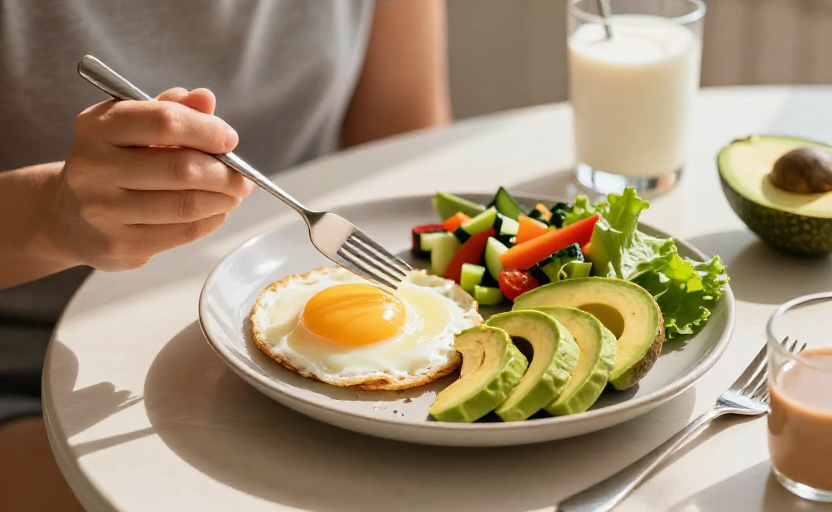
What you eat within your chosen meal windows plays a huge role in whether the timing strategy works at all. Protein and fiber are both powerfully satiating, and they slow the release of sugar into your bloodstream. If you eat a lunch that's mostly refined carbs—say, a white bread sandwich with a sugary drink—your blood sugar will spike and plunge regardless of when you eat it. But if that same meal includes grilled chicken, avocado, a handful of leafy greens, and a side of beans, the fiber and protein will keep your glucose steady for hours. Nutritionist Ms Manisha Chopra emphasizes that consistent glucose levels are the single most effective biological way to prevent cravings: "When your blood sugar stays stable, your brain stops sending urgent signals for sugar."
- Pair carbs with protein: An apple with almond butter, whole-grain crackers with cheese, or oatmeal with Greek yogurt all blunt the sugar spike that can trigger a craving later.
- Don't skip vegetables at lunch: The fiber in vegetables is especially effective at slowing carb absorption and keeping you full until dinner.
- Include a small amount of healthy fat: Fat further slows digestion and adds lasting fullness. Think olive oil on a salad or half an avocado on your sandwich.
How to Shift Your Meal Timing Without Feeling Deprived
For many people, the biggest hurdle is the idea that changing when you eat means eating less. The goal is actually the opposite: eat enough at the right times so that your body doesn't panic and demand emergency sugar. If you currently skip breakfast, start by adding a small protein-rich snack within an hour of waking—a hard-boiled egg, a container of Greek yogurt, or a smoothie with protein powder. Gradually move your lunch earlier if you notice you're starving by 11 a.m. And if you snack at night, move your last bite at least two hours earlier by shifting dinner or dessert slightly. Small, consistent adjustments work better than a sudden overhaul because they give your hunger hormones time to recalibrate.
What About Sugar Cravings That Still Appear?
If you have optimized your meal timing and composition but still occasionally feel a strong pull toward sweets, ask yourself whether you are truly hungry or just tired, bored, or stressed. Sleep deprivation elevates ghrelin—the hunger hormone—and lowers leptin, which signals fullness. This combination can lead to carbohydrate cravings that are actually your brain's way of trying to stay awake. Prioritizing seven to nine hours of sleep, managing stress with short walks or breathing exercises, and staying hydrated (thirst is often mistaken for hunger) will further reduce the frequency of cravings. The best meal timing plan in the world cannot override chronic sleep debt or unmanaged stress.