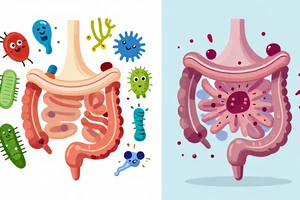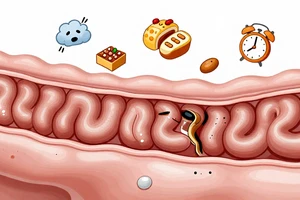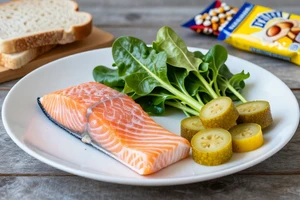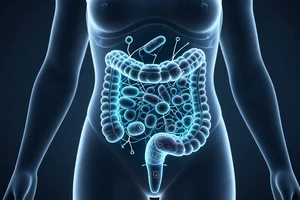
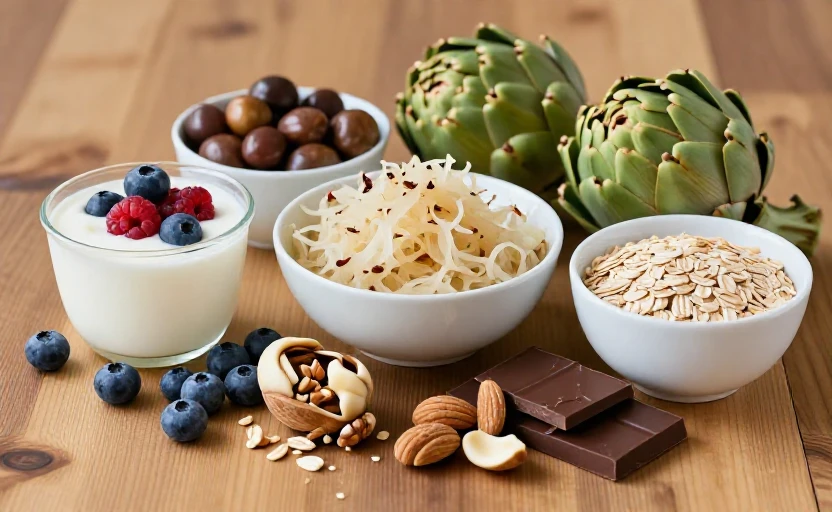
You might think of your gut as a simple digestive tube, but it’s more like a bustling, diverse ecosystem. Trillions of microbes—bacteria, fungi, and viruses—call it home. This community, your gut microbiome, doesn't just process food. It communicates with your immune system, influences your mood, and helps protect you from illness. The food you eat is the primary way you tend to this inner garden. By choosing gut-friendly foods, you nourish the beneficial microbes that, in turn, nourish you.
The goal isn't to sterilize or wage war, but to cultivate balance. A diverse, thriving microbiome is generally a resilient one. The path to better microbial balance is paved not with exotic supplements, but with everyday, fiber-rich, fermented, and polyphenol-packed foods that your good gut bugs love to feast on.
What makes a food "gut-friendly"?
Gut-friendly foods typically offer one or more of three key benefits: they act as prebiotics, providing fuel for beneficial bacteria; they are probiotics, containing live beneficial cultures themselves; or they are rich in polyphenols, plant compounds that have an anti-inflammatory effect and can support microbial diversity. Most often, the best choices check more than one box.
Think of feeding your microbiome like tending a garden. You want to plant good seeds (probiotics) and then fertilize them regularly (prebiotics) so they can flourish.
Foods to focus on for microbial balance
Building a gut-friendly plate is less about following a strict list and more about embracing patterns. Here are the types of foods that consistently support a healthy, balanced gut ecosystem.
Fiber-rich plants: The ultimate prebiotic fuel
Dietary fiber is indigestible to you, but it's a premier food source for your gut bacteria. When these microbes ferment fiber, they produce short-chain fatty acids like butyrate, which strengthen the gut lining and reduce inflammation.
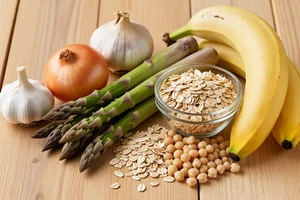
- Vegetables: Artichokes, asparagus, leeks, onions, garlic, and leafy greens are excellent sources of inulin and other prebiotic fibers.
- Legumes: Lentils, chickpeas, black beans, and peas are fiber powerhouses.
- Whole grains: Oats, barley, quinoa, and foods made with whole wheat provide sustained fuel.
- Fruits: Berries, apples (with skin), bananas, and pears offer a mix of fiber and polyphenols.
Aim for a variety of colors and types. Different fibers feed different bacteria, so diversity in your plants promotes diversity in your microbiome.
Fermented foods: Natural probiotics
These are foods transformed by live microorganisms. Consuming them introduces beneficial bacterial strains directly into your digestive tract, which can help crowd out less helpful microbes.
- Yogurt & Kefir: Look for labels that mention "live and active cultures." Kefir is a drinkable fermented milk product often containing an even wider array of strains.
- Sauerkraut & Kimchi: Fermented cabbage dishes. For probiotic benefits, choose refrigerated, unpasteurized versions, as pasteurization kills the live cultures.
- Kombucha: A fermented tea beverage. Be mindful of sugar content, as some brands are quite high.
- Miso & Tempeh: Fermented soy products common in Japanese and Indonesian cuisine, respectively.
Introduce fermented foods gradually if you're new to them, as your gut may need time to adjust.
Polyphenol-packed foods
Polyphenols are antioxidant compounds found in plants. Your gut bacteria metabolize them, and this process seems to stimulate the growth of beneficial bacteria while inhibiting harmful ones.
- Berries: Blueberries, strawberries, raspberries, and blackberries are especially rich.
- Nuts and Seeds: Flaxseeds, walnuts, and almonds.
- Olives and Extra Virgin Olive Oil
- Dark Chocolate & Cocoa: Opt for higher cocoa content (70% or more) for less sugar and more polyphenols.
- Green Tea and Coffee
Putting it into practice
You don't need a complete diet overhaul overnight. Start with small, sustainable swaps. Add a spoonful of sauerkraut to your lunch salad. Snack on a handful of almonds and berries instead of a processed bar. Choose oatmeal with sliced banana for breakfast. The cumulative effect of these choices is what shifts your internal ecosystem.
Listen to your body. Some high-fiber foods, like beans or cruciferous vegetables, can cause gas and bloating initially. This is often a normal sign of fermentation as your microbiome adjusts. Cooking them well, starting with smaller portions, and drinking plenty of water can help ease the transition.
A note on what to limit
Just as some foods cultivate balance, others can disrupt it. Diets consistently high in ultra-processed foods, added sugars, and artificial sweeteners have been associated with less microbial diversity and increased inflammation. This doesn't mean you can never enjoy these foods, but viewing them as occasional choices rather than staples helps create space for the nutrient-dense, gut-friendly options to do their work.
Ultimately, eating for your gut is a long-term practice of nourishment, not a short-term fix. By consistently providing the right resources, you create an environment where beneficial microbes can thrive, supporting your overall health from the inside out.