
After a meal, your stomach feels upset or your skin gets blotchy. Is it a food allergy, or something less severe like a food intolerance? The two are often used interchangeably, but understanding the difference is crucial—not just for your comfort, but for your safety.
While both conditions can cause discomfort, a food allergy activates your immune system in a way that can be life-threatening, while a food intolerance typically stems from digestive issues or chemical sensitivities. Here is what you need to know to tell them apart.
What Is a Food Allergy?
A true food allergy is a serious immune system reaction. Your body mistakes a specific food protein—like those in peanuts, shellfish, or eggs—for a harmful invader. This triggers the release of antibodies called Immunoglobulin E (IgE), which in turn signals your body to release histamine and other chemicals.
This cascade can happen within minutes of eating even a tiny amount of the offending food. Symptoms range from mild (tingling in the mouth, hives) to severe (swelling of the throat, a dangerous drop in blood pressure known as anaphylaxis). Anaphylaxis is a medical emergency that requires an immediate injection of epinephrine.
Key signal: Allergic reactions are fast, systemic, and can affect breathing. They are never a simple case of “stomach trouble.”
What Is a Food Intolerance?
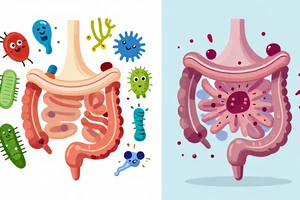
A food intolerance, by contrast, does not involve the immune system. Instead, it is a breakdown in your digestive system. Your body lacks the enzymes needed to process a specific component of food—for instance, the lactase enzyme needed to break down the sugar lactose found in dairy. The undigested food lingers in your gut, where it ferments and causes gas, bloating, cramps, and diarrhea.
Other common intolerances include reactions to gluten (non-celiac gluten sensitivity), histamine in fermented foods, or sulfites in dried fruit and wine. Symptoms are uncomfortable but generally not dangerous, and you can often eat a small amount of the trigger food without a major reaction. Symptoms may take hours to appear and last for days.
How to Spot the Differences
Here is a practical guide to help you evaluate your symptoms.
Timing and Severity
- Allergy symptoms appear suddenly—within minutes to two hours—and can be severe. The reaction doesn't stop if you avoid the food.
- Intolerance symptoms come on gradually, often hours later, and are linked to how much you ate. The more you consume, the more bloating or discomfort you feel.
Key Symptoms to Watch For
Allergy: Hives, itching in the mouth or throat, swelling of the lips or eyelids, wheezing, coughing, shortness of breath, vomiting, or a sudden feeling of dread or weakness.
Intolerance: Excessive gas, bloating, heartburn, stomach pain, diarrhea, or headaches. You will not see hives or experience swelling unless the intolerance involves a separate condition like histamine overload.
Testing and Diagnosis
Do not try to self-diagnose a food allergy. If you have any reaction that involves swelling, difficulty breathing, or rapid onset of hives, see an allergist. They can perform a skin prick test or a blood test (measuring IgE levels) to confirm a true allergy.
For suspected food intolerance, the gold standard is an elimination diet: remove the suspect food completely for two to four weeks, then reintroduce it in a small amount. Keep a symptom diary to see if symptoms reliably reappear. A registered dietitian can help you navigate this process without cutting out essential nutrients.
A note on celiac disease: While often lumped in with gluten intolerance, celiac disease is an autoimmune reaction—not an allergy or simple intolerance. It can damage the small intestine and requires strict lifelong avoidance of gluten, managed by a gastroenterologist.
Managing Your Condition
For a diagnosed food allergy, you must avoid the trigger food entirely. Always read ingredient labels, inform restaurant staff, and carry an epinephrine auto-injector if prescribed. Even trace amounts can be dangerous.
For a food intolerance, the approach is more flexible. Many people tolerate small servings or use digestive enzymes (like lactase drops for dairy). Identifying your personal threshold can help you enjoy foods without the worst side effects.
If you are unsure of the cause of your symptoms, consult with a doctor before eliminating foods on your own. Guessing wrong can lead to unnecessary dietary restrictions—or missing a serious allergy that puts you at risk.