You love the rhythm of your feet on the pavement, the clear-headed focus of a good run. You also crave the deep stretch and quiet grounding of a yoga mat. The good news is, you don’t have to choose. Combining running and yoga isn’t just possible—it’s a powerful synergy. When woven together thoughtfully, these practices support and enhance each other, creating a more resilient, balanced, and joyful approach to fitness.
The key lies in moving away from seeing them as separate activities competing for your time, and towards viewing them as complementary parts of a single, intelligent routine. It’s about listening to your body, understanding the different demands of each practice, and arranging them in a way that builds you up rather than breaks you down.
Why running and yoga are perfect partners
On the surface, running and yoga seem like opposites: one is high-impact and linear, the other is low-impact and multi-directional. This contrast is precisely what makes them such effective partners. Running primarily builds cardiovascular endurance and lower-body strength through repetitive motion. Over time, this can lead to muscle tightness, particularly in the calves, hamstrings, hips, and lower back.
Yoga acts as the ideal counterbalance. The sustained holds in poses lengthen those same tight muscles, improving flexibility and range of motion. More than just stretching, yoga builds functional strength and stability in the often-neglected smaller stabilizing muscles around the joints—ankles, knees, hips, and spine. This creates a more supportive “scaffolding” for a runner’s body, which can enhance form and potentially reduce injury risk.
Think of yoga not as an add-on, but as integral maintenance for the running body.
Beyond the physical, the mental skills cross over beautifully. The breath awareness cultivated in yoga can be directly applied to managing your effort on a run. The mental fortitude developed through pushing through a tough run can help you find steadiness in a challenging yoga pose. Together, they foster a more mindful, attuned relationship with your body.
Building your weekly schedule: timing is everything
How you sequence your runs and yoga sessions matters more than you might think. The goal is to support recovery and performance, not hinder it.
Yoga after a run is often the most intuitive and beneficial pairing. A gentle, stretch-focused yoga session (think Hatha, Yin, or a slow-flow Vinyasa) is perfect for post-run recovery. It helps flush out metabolic waste, eases muscle tension, and initiates the recovery process. Aim for this within an hour or two of finishing your run, when the body is still warm and receptive to stretching.
Yoga before a run requires a more careful approach. A dynamic, warm-up style practice is key. Focus on movements that increase blood flow, mobilize the joints, and gently activate the muscles—think cat-cows, sun salutations, and leg swings—not deep, static stretching. A short, five-to-ten minute dynamic yoga sequence can be an excellent substitute for a traditional warm-up, priming your body for the run ahead.
For your weekly layout, consider a simple framework:
- Recovery Day Yoga: After your longest or hardest run of the week, schedule a longer, deeply restorative yoga session. This is a day for Yin or Restorative yoga, focusing entirely on release and nervous system calming.
- Maintenance Yoga: On a regular running day, a shorter 20-30 minute session focused on your tightest areas (often hips and hamstrings) works well post-run.
- Active Rest Day: On a true non-running day, a more vigorous, strength-building yoga style (like Ashtanga or a power flow) can maintain fitness without impact.
Choosing the right yoga style for your running goals
Not all yoga is created equal, especially when paired with running. Matching the style to your intent will make your routine more effective.
For recovery and flexibility
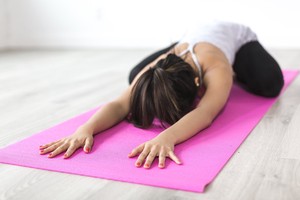
Yin Yoga: Involves holding passive floor poses for several minutes to target the deep connective tissues. Ideal for a dedicated recovery day to improve flexibility and induce deep relaxation.
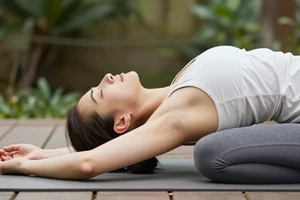
Restorative Yoga: Uses props to fully support the body in restful poses for extended periods. The goal is nervous system recovery, perfect after a high-stress training week or race.
For strength and stability
Hatha Yoga: A general term for slower-paced classes that hold poses to build foundational strength and alignment. Great for overall balance.
Vinyasa Flow: Links movement with breath in a more dynamic sequence. It builds core and upper-body strength, cardiovascular stamina, and mobility. Choose a level appropriate for your energy that day.
Ashtanga or Power Yoga: Physically demanding, set sequences that generate heat and build significant strength. Best reserved for non-running days or as a substitute for a strength workout.
Listening to your body: the non-negotiable rule
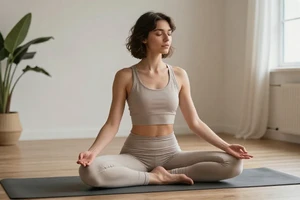
Any strategy is just a guideline. Your body’s feedback is the ultimate authority. Some days, your planned vigorous Vinyasa might need to become a gentle stretch. A scheduled run might feel off, and a mindful yoga practice might be what you truly need.
Pay attention to persistent soreness versus sharp pain. Yoga should address the former, not aggravate the latter. If a pose causes pain in a joint (knee, shoulder, SI joint), back off or skip it. The yoga principle of ahimsa (non-harming) applies directly here.
The goal is to feel better after your practice, not more depleted or in pain.
This mindful approach allows you to adjust the intensity, duration, and style of both your runs and yoga sessions week-to-week, creating a sustainable, lifelong practice that adapts with you.
Creating a simple, sustainable habit
Starting small beats an ambitious plan that fizzles out. Begin by adding just 10 minutes of targeted yoga stretches after two of your weekly runs. Focus on the major running muscles: calves, quads, hamstrings, hips, and lower back.
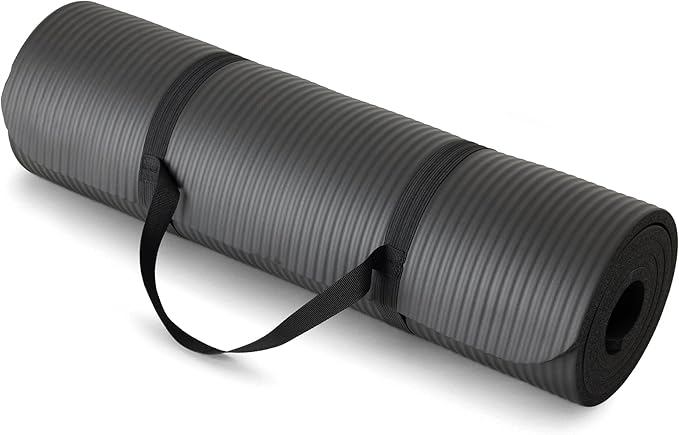
You don’t need a studio or an hour-long class. A quiet corner at home and a mat are enough. Many online platforms offer short, runner-specific yoga sequences. The consistency of a brief, daily practice often yields more benefit than a single long weekly session.
Over time, as you feel the benefits—perhaps easier strides, fewer niggles, quicker recovery—you can naturally expand the time or explore different styles. The fusion of running and yoga becomes less of a scheduled task and more of a natural rhythm, a full-spectrum practice that cares for your strength, your stamina, and your peace of mind.